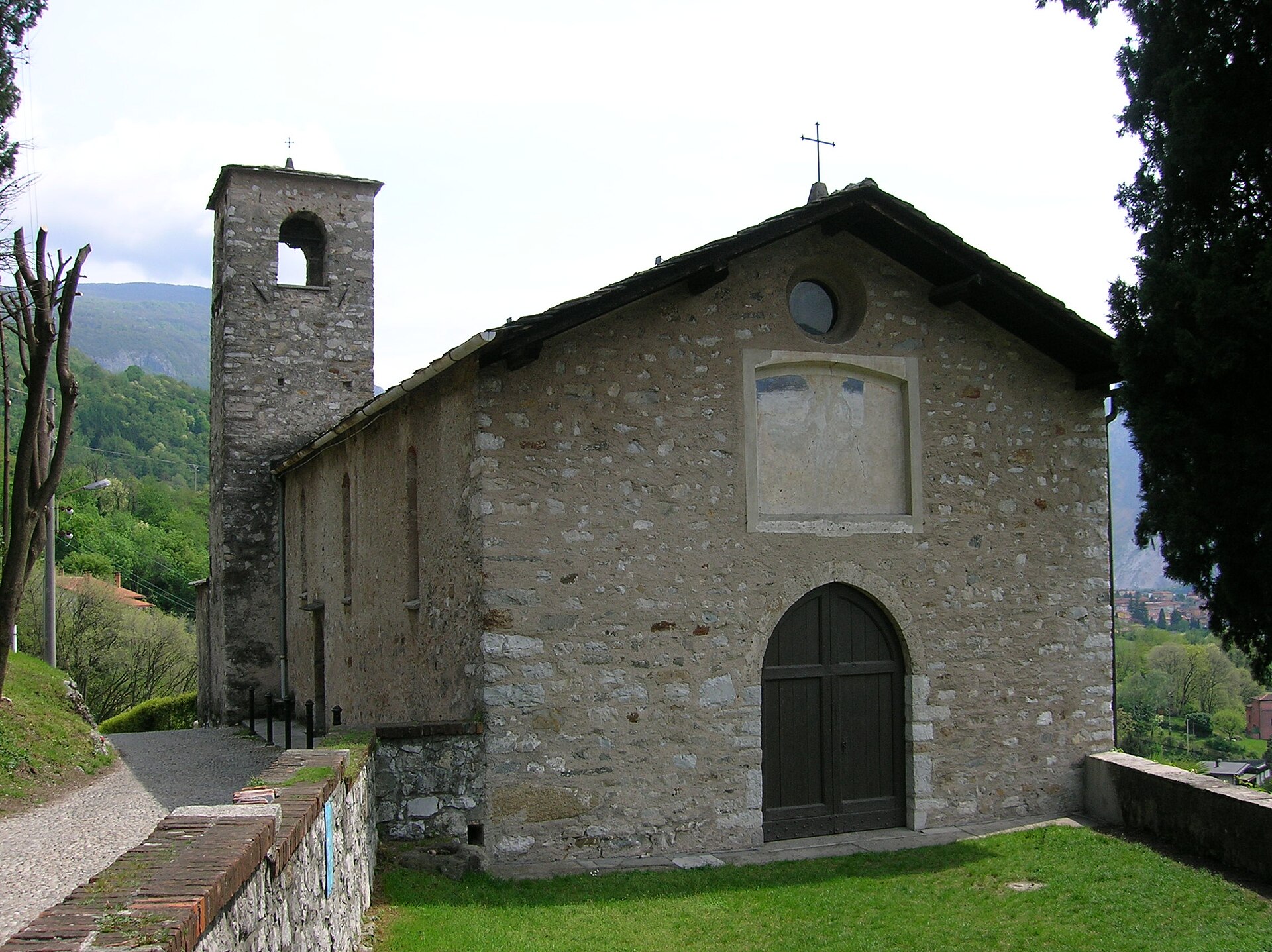
San Giorgio is one of those quiet places where time seems to have paused, leaving behind the unhurried rhythm of medieval Italy. Perched on a gentle hillside overlooking Lake Como, the church feels like a natural part of the landscape—small enough to feel intimate, yet commanding enough to draw the eye. From here, the lake stretches out in shades of blue, framed by the soft outlines of the surrounding mountains. Inside, the air is still, broken only by the occasional murmur of footsteps or the quiet rustle of a prayer book’s pages. It’s the kind of place where silence isn’t just absence of noise, but something almost tangible.
The church’s origins reach back to the 12th century, though some believe an even older sacred site may have stood here before. Over the centuries, it has been repaired and altered, but its core remains firmly rooted in the Romanesque style—thick stone walls, rounded arches, and narrow windows that filter light in slender beams. The bell tower, added later during the Renaissance, rises above the rooftops of Tremezzina like a quiet sentinel, its presence familiar to anyone who knows the area. It’s not grand in the way some Italian churches are, but that only makes it feel more real, as if it grew from the earth rather than being imposed upon it.
Step inside, and the simplicity of the interior is striking. The walls are covered in frescoes, painted by local artists across different eras. The oldest, from the 14th and 15th centuries, depict saints and biblical scenes with a directness that feels almost modern. The most famous shows Saint George himself, slaying the dragon—a scene that must have been both a comfort and a warning to the people who once gathered here. The colors have faded in places, but that only adds to their power, as if the stories they tell have been softened by time rather than diminished.
The furnishings are just as unassuming. Wooden pews, worn smooth by generations of worshippers, line the nave, while the stone altar stands bare of elaborate decoration. In one of the side chapels, an old baptismal font carved from a single block of stone serves as a reminder of the church’s role in the lives of the community. This wasn’t just a place of worship, but a place where people marked the most important moments of their lives—births, marriages, deaths. The font is simple, almost rough in places, but that only makes it feel more honest, as if it has absorbed the weight of all those stories over the centuries.
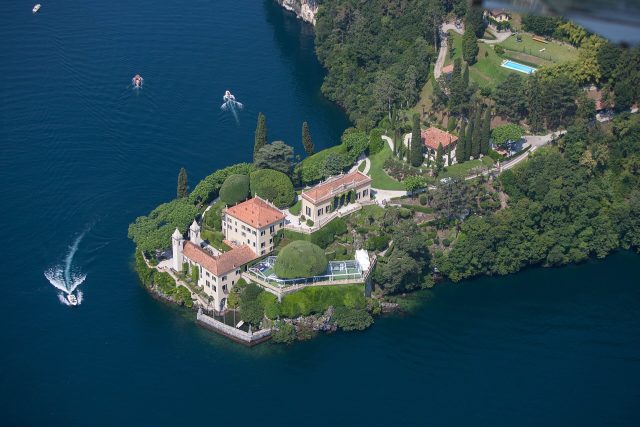
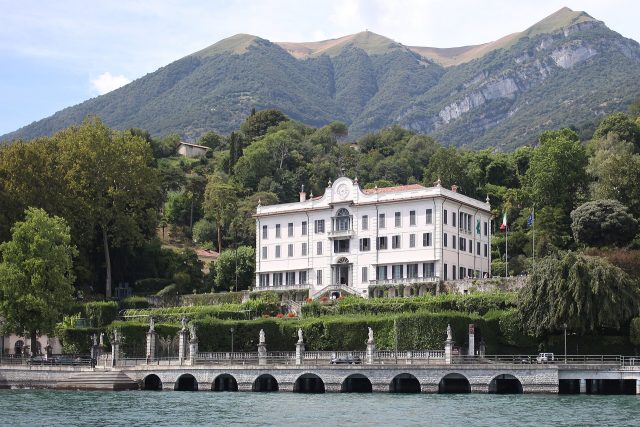
Beyond the church, the streets of Tremezzina wind down toward the lake, each one lined with houses that have stood for hundreds of years. Some are grand villas, others modest cottages, but all share the same sense of history. The church sits at the heart of this web of narrow lanes, its square a quiet gathering place where locals still stop to chat or sit in the sun. From here, it’s just a short walk to the waterfront, where the lake’s surface shifts with the light—deep blue on clear days, misty gray when the weather turns. The mountains on the opposite shore seem close enough to touch, though in reality, they’re a world away.
San Giorgio isn’t the kind of place that draws crowds. There are no guided tours, no souvenir stalls, no cafés with picture-perfect views. It’s a place for those who prefer to wander without a plan, who are content to sit on a bench outside and watch the light change over the water. In summer, the church is usually open, but in winter, it often stands empty, its doors closed. Even then, it’s worth seeing—the way the bell tower emerges from the morning mist, or how the stone walls seem to glow in the late afternoon sun.
For the people who live here, the church is more than just an old building. It’s part of their lives, a place where families have gathered for generations. Services are still held, though not as often as they once were, and on feast days, the sound of the local choir fills the nave. The voices aren’t polished or professional, but that only makes them more moving—the raw, imperfect harmony of people singing together in a space that has heard the same songs for centuries.
Tremezzina itself is full of these quiet stories, the kind that don’t make it into guidebooks. San Giorgio is one of them—a story told in stone and paint, in the way light falls through a window or the echo of footsteps on an old floor. It doesn’t demand attention, and that’s part of its charm. There’s no need to rush here, no checklist of things to see. You can stand in front of a fresco and lose track of time, or step outside and watch the lake shimmer in the distance. It’s the kind of place that stays with you long after you’ve left, not because it’s grand or famous, but because it feels real.