San Agustin Church stands as one of those rare places where time seems to pause, untouched by the centuries of change swirling around it. Built in the late 16th century, it is not just the oldest stone church in the Philippines but a silent witness to an era when Spanish colonizers first set foot on these islands. Its walls have endured earthquakes, fires, and wars, yet each time, the church emerged unscathed, as if history itself had shielded it from destruction.
The architecture of San Agustin is a striking blend of European Baroque and local influences. The facade is austere and symmetrical, adorned with columns and bas-reliefs depicting saints and biblical scenes. Inside, the grandeur is overwhelming—towering vaults, massive columns, and an intricately carved altar create an atmosphere of solemnity and reverence. The ceiling is particularly mesmerizing, painted with trompe-l'œil frescoes that trick the eye into perceiving depth where there is none, adding a sense of illusionary space to the sacred interior.
Throughout its history, San Agustin has been at the heart of pivotal moments. It was here that the first Filipino saints were canonized, and within its walls, ceremonies marked key turning points in the nation’s story. The church houses a treasure trove of relics, from ancient liturgical vestments to paintings and sculptures brought from Spain during the colonial period. Some of these artifacts are still used in services today, bridging the gap between past and present in a way that feels almost tangible.
Adjacent to the church, the monastery once served as a hub of religious and cultural life. The Augustinian monks who lived here were not only preachers but also educators, healers, and even diplomats. They played a crucial role in shaping early colonial society in Manila. Today, the monastery houses a museum where visitors can explore a collection of antique books, maps, and everyday objects that offer a glimpse into life during that era. The exhibits are modest but evocative, painting a picture of a time when faith and daily existence were deeply intertwined.
San Agustin has weathered countless earthquakes, each leaving its mark. After the devastating tremor of 1863, the church was rebuilt, but its original design was preserved, with only structural reinforcements added. During World War II, Manila suffered extensive damage from bombings, yet San Agustin survived, though not without scars. Today, it appears much as it did four centuries ago, its enduring presence lending it a quiet, almost defiant charm.
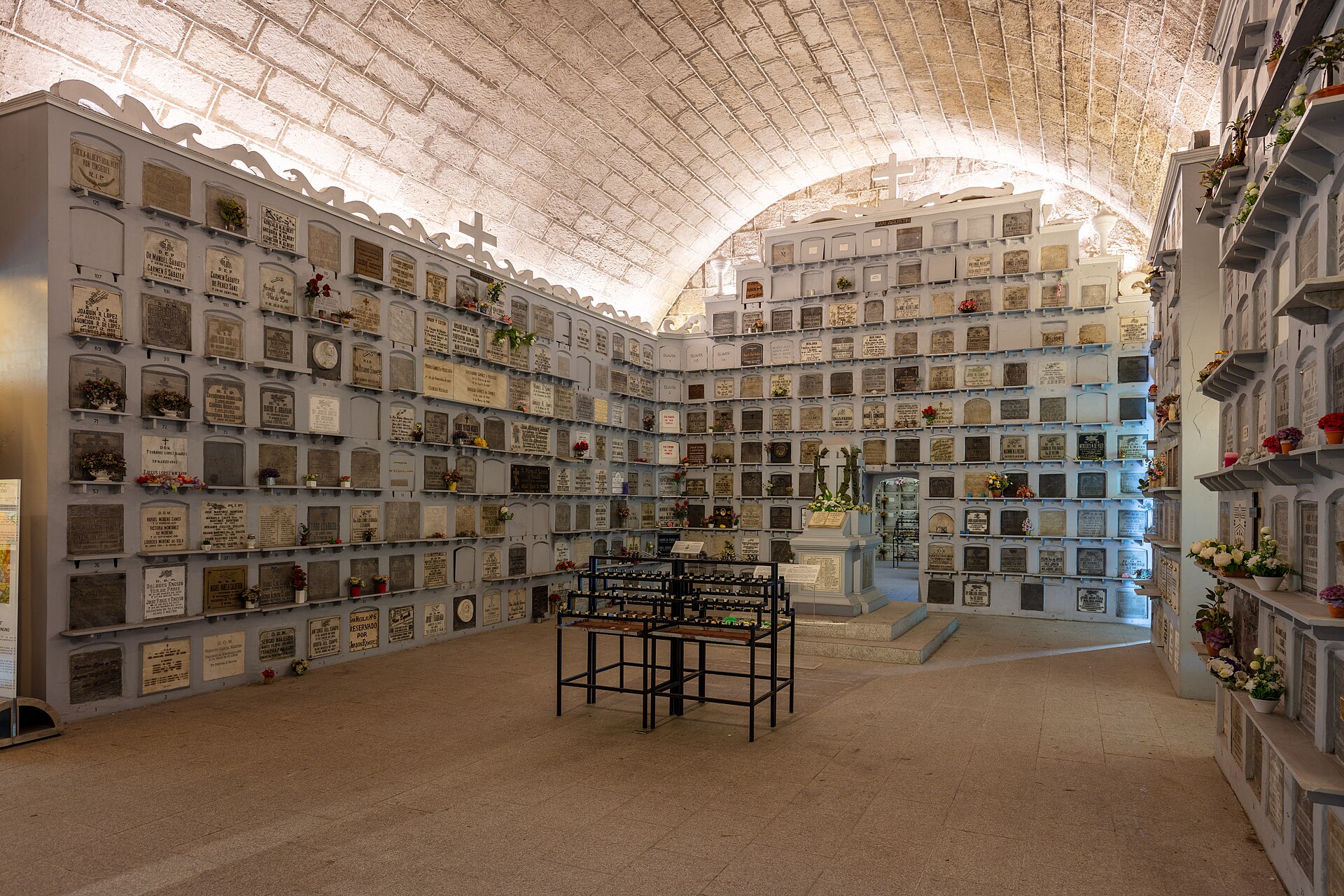
Stepping inside, the atmosphere is one of hushed reverence. Light filters through stained glass, casting a soft glow over the worn wooden pews and confessionals. The silence is broken only by the occasional rustle of prayer books or the distant murmur of a service. It’s easy to imagine the generations of people who have passed through these doors—colonizers, locals, soldiers, and monks—each carrying their own hopes and prayers. Even now, the church remains an active place of worship, drawing both the faithful and the curious.
Beyond its architectural and historical significance, San Agustin is a symbol of resilience. It has outlasted empires, wars, and natural disasters, standing as a steadfast reminder of the past. Outside, the bustling streets of modern Manila pulse with energy, but within these walls, time seems to stand still. Here, the weight of history is palpable, offering a chance to reflect on how this nation was shaped and to simply pause in the quiet, listening to the echoes of centuries gone by.