The Church of the Nativity stands in Bethlehem, near Beit Sahour. For millions, this is where history took its first breath. The stones hold more than time—they hold stories, whispered in corners where the past feels close enough to touch.
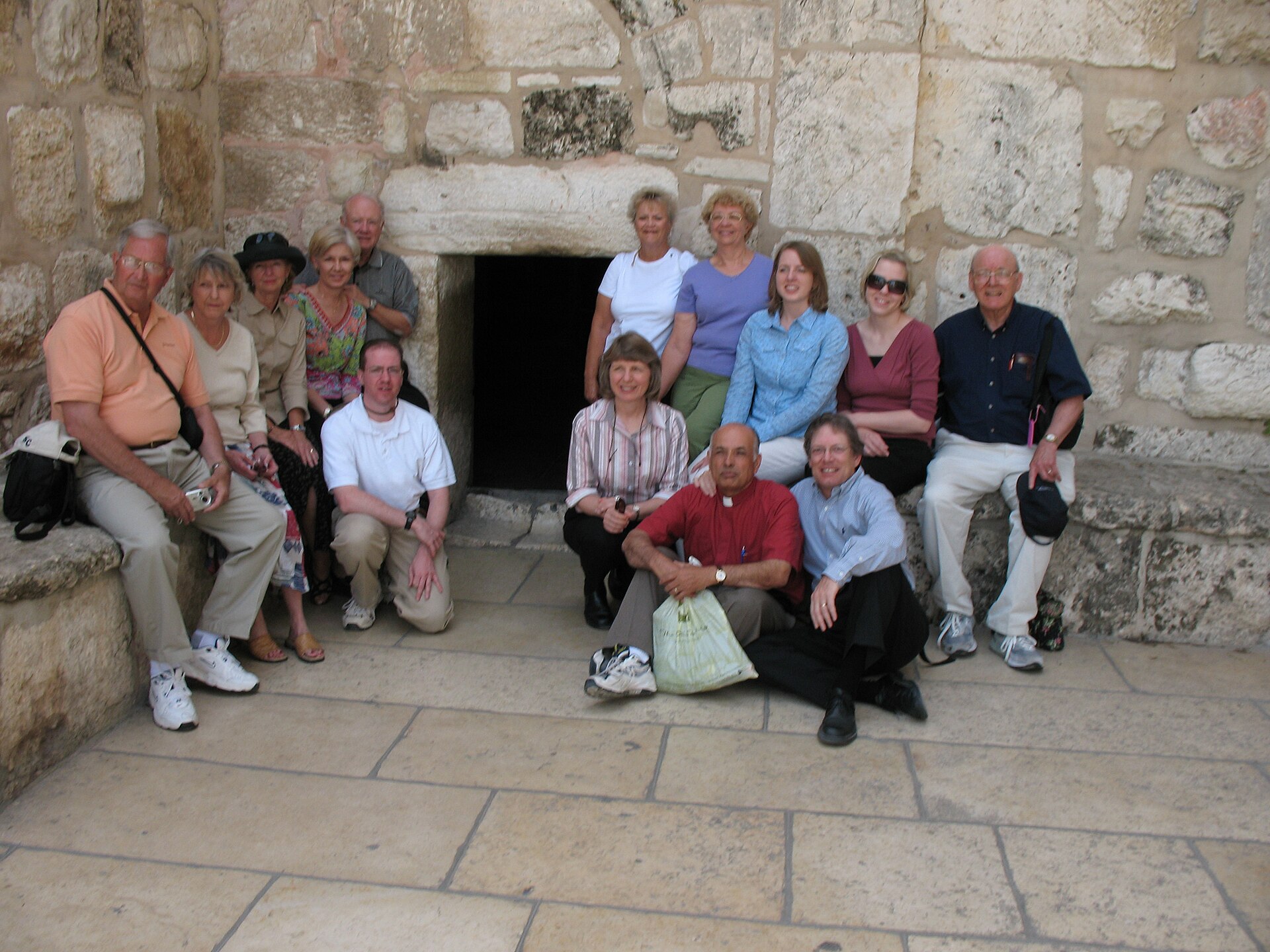
The exterior is plain: rough, weathered stone shaped by sun, wind, and countless hands. The entrance is low, making everyone duck as they step inside. It’s not an accident. The gesture lingers before you even cross the threshold.
The church is home to three Christian communities—Greek Orthodox, Catholic, and Armenian. Each has its own altars, schedules, and occasional arguments over who gets to lead services. Yet when the prayers begin, the differences don’t matter as much.
Empress Helena ordered the first basilica built here in the 4th century, over the site believed to be Jesus’ birthplace. By the 6th century, Emperor Justinian expanded it. The church has survived invasions, conquests, and the Crusades. Once, it was a stable under Muslim rule. Later, Christians reclaimed it. Every time destruction threatened, someone—whether a ruler or a believer—stepped in to save it.
Below the altar lies the Grotto of the Nativity. A silver star marks the spot where tradition says Jesus was born. Pilgrims line up to touch it, to kneel in the dim space where the air feels heavy with devotion. The grotto is small, the stone cool underfoot.
The interior is layered with history. Faded frescoes cling to columns, some from Byzantine times. The marble floor, smoothed by footsteps, still shows traces of old patterns. The wooden ceiling, a 15th-century gift from Venice, is dark with age. Side chapels hold icons from Russia, Greece, Ethiopia—each one part of the church’s story.
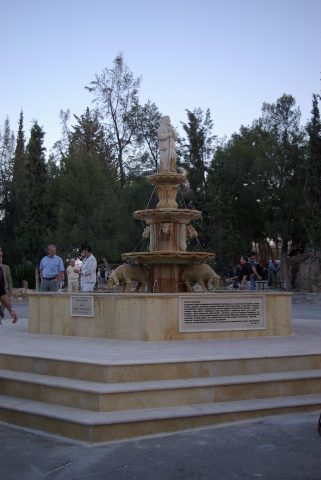
The square outside hums with life. Vendors sell olive oil, incense, and embroidered scarves. You can drink tea with locals or listen to their stories. The church isn’t separate from this—it’s woven into the city’s rhythm.
In winter, lights drape the streets, and Christmas crowds fill the church. Summer brings quiet, the heat driving people indoors where the stone walls offer shade. The church changes with the seasons, just as it has for centuries.
Monks talk in courtyards. Children play near ancient columns. Elderly locals watch visitors pass by. The Church of the Nativity has seen empires fall, yet it remains—not as a relic, but as a place where life continues, messy and real.