Ivye’s central square feels like an old friend—familiar and unassuming. There’s no rush here, just the steady pulse of a small Belarusian town where history and everyday life intertwine. The square isn’t large, but it sets the rhythm of Ivye. People come in the morning for bread and news, linger in the afternoon under the shade of old trees, and gather in the evening to watch the lights in nearby houses.
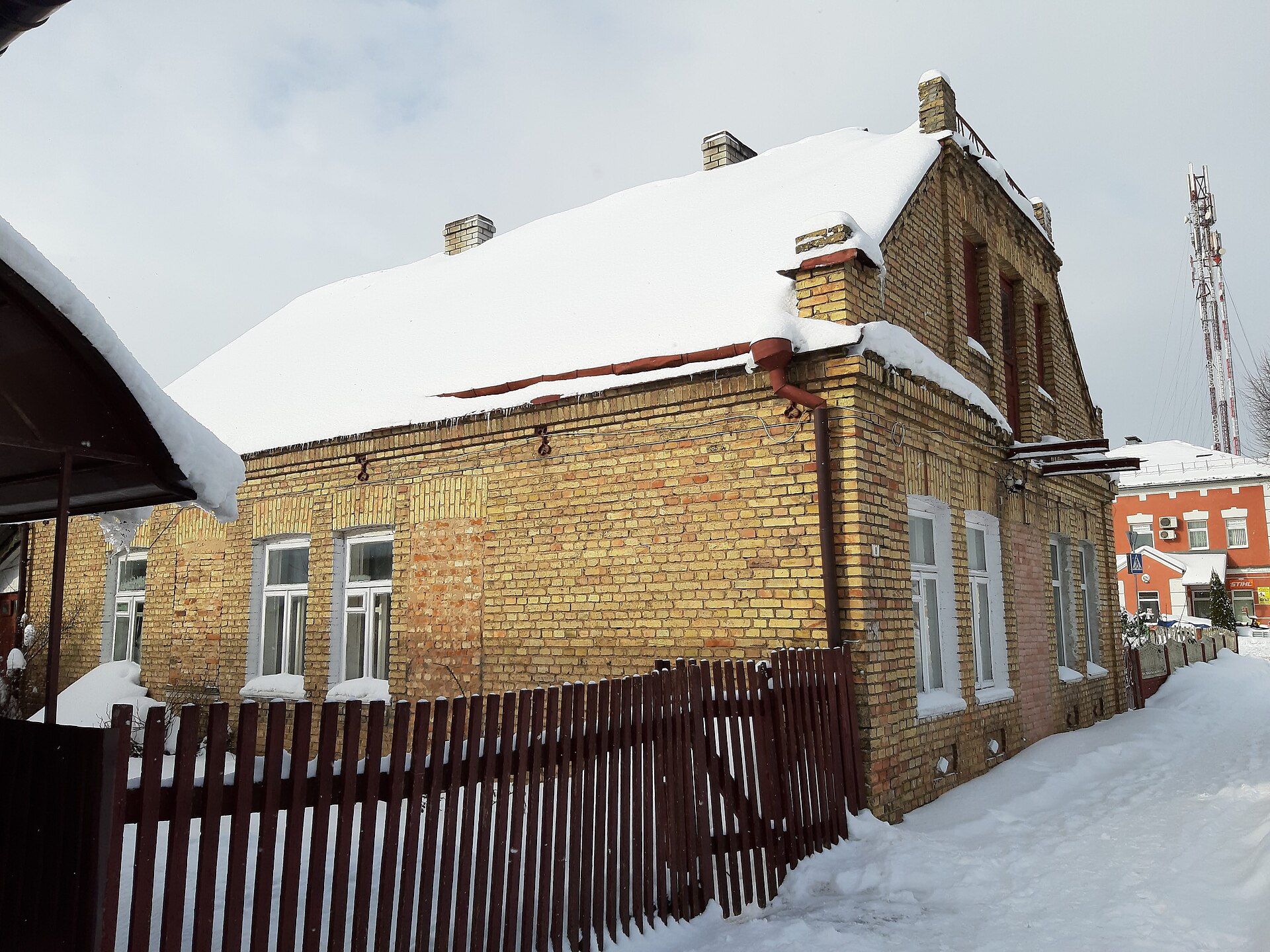
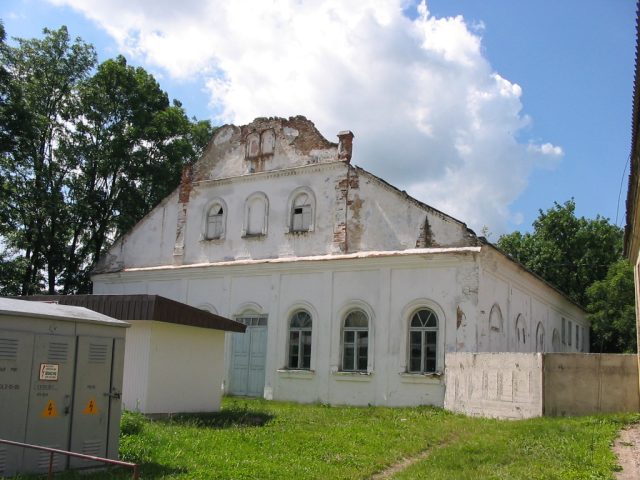
The architecture tells a story. The buildings are a mix of styles—some with wooden carvings, others with plain facades—but all carry the weight of time. At its heart stands the former town hall, built in the early 20th century, now home to the local administration. Nearby, the Church of St. Michael the Archangel, one of the oldest in the region, has watched over generations. A short walk away, pre-revolutionary houses stand as witnesses to the days when Ivye’s fairs drew crowds.
What makes this square special is that it’s a living part of the town. In summer, trees provide shade for markets where locals sell honey, berries, and homemade preserves. When winter arrives, the square becomes an ice rink, the sound of children’s laughter mixing with the crunch of skates on snow. In the evenings, people gather by the fountain to chat or sit in silence, watching the water.
Ivye has seen upheaval, and the square has been at the center of it. Over the years, it has been a stage for rallies, a gathering place during wars, and a witness to change. Yet life always returns here, to this small patch of ground that feels like the town’s true heart. Even as Ivye modernizes, the square remains a place to pause and remember that this town has a character all its own.
For first-time visitors, the square might seem unremarkable. There’s nothing flashy about it. But that’s its charm. It doesn’t try to impress; it simply exists, much like the town itself. The square doesn’t demand attention—it just is, and in that quiet persistence lies its value. Maybe that’s why locals love it: it asks for nothing in return except respect for its history.
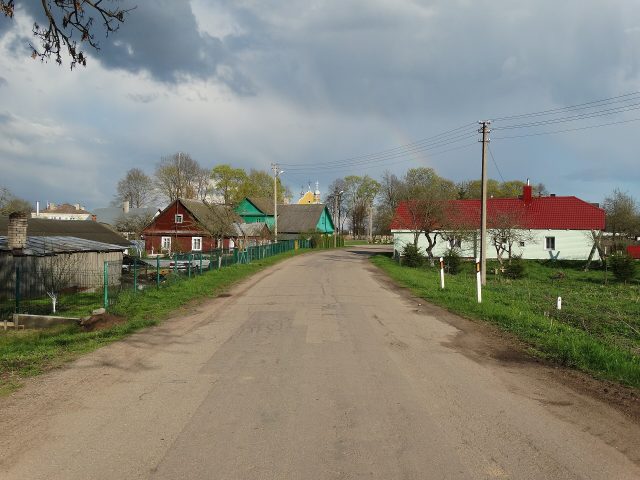
If you wander through Ivye, you’ll find yourself here. Turn off the main street, pass a few old houses, and the square appears, as if the town has decided to share a secret. It’s a good place to think, especially if you take a seat on one of the benches and watch life unfold. Some people hurry past, others stroll slowly, and a few just stand, looking up at the sky.
In moments like these, you realize the square isn’t just a place—it’s the soul of the town.
Ivye isn’t overrun with tourists. There are no crowds, no souvenir stalls, no guides. The square belongs to those who live here and to those willing to accept it as it is. You can spend an hour or a whole day—the time moves differently, unhurried. In summer, the air smells of fresh bread from the nearby bakery. In winter, it’s crisp with frost and woodsmoke from chimneys. Spring and autumn bring their own changes, the square shifting from golden leaves to snow.
Every town has a heart, and in Ivye, it’s this square. It doesn’t clamor for attention, but once you’ve been here, you understand why people return. Not for anything in particular, but to feel that quiet rhythm again—that unpretentious way of life. In a world that changes too quickly, places like this are rare. And perhaps that’s why they matter.