Göygöl’s central square is where the town quietly gathers its own rhythm. There’s no rush here, no clamor of a capital—just the steady pulse of daily life unfolding at its own pace. The square isn’t large, but it anchors the town, drawing together its main streets, cafés, and shops, as well as the people who see it as the starting point of their day. Mornings bring locals hurrying to work or lingering over tea in the shade of the trees, while evenings fill the space with families strolling, friends meeting, and laughter drifting through the air.
Göygöl, once known as Khanlar, carries a history shaped by German settlers. In the early 19th century, immigrants from Swabia arrived and founded the colony of Helenendorf, bringing with them traditions and an architectural style that still lingers in the town’s character. The central square is one of the few places where this heritage is most visible. The old buildings, with their tall windows, tiled roofs, and neat facades, hint at a time when the town spoke another language and worshipped in a church that once stood nearby.
Today, the German past is faint but still present. The square is framed by houses that once belonged to prosperous colonists—winemakers, merchants, and craftsmen. Some retain their original appearance, while others have been altered over time, yet the atmosphere of old Helenendorf remains. It’s most noticeable in warmer months, when tables spill onto the pavement, and the scent of fresh bread, coffee, and greenery fills the air.
At the heart of the square stands a modest monument, a quiet tribute to the town’s history. Nearby, a small fountain trickles in the summer, drawing children and anyone seeking a moment of cool relief. The water flows softly, adding to the square’s unhurried charm. In winter, the fountain falls silent, but the square doesn’t lose its appeal—strings of lights and a dusting of snow transform it into something almost magical.
Göygöl doesn’t resemble other Azerbaijani towns. There are no ancient mosques, caravanserais, or medieval fortresses here, but its story is just as compelling. The town has always been a crossroads of cultures—German, Azerbaijani, Russian—and that blend is still felt on the square. Traditional Azerbaijani cafés sit alongside places serving European dishes, and no one rushes. Even day-trippers often find themselves lingering longer than planned.
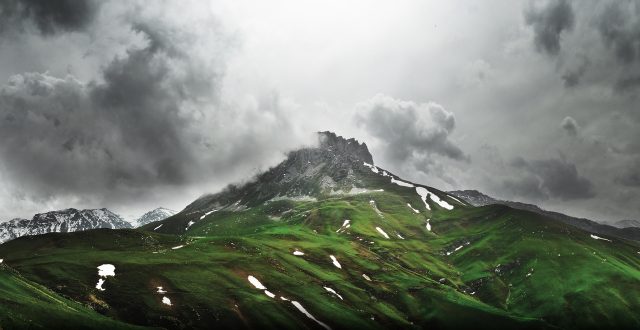
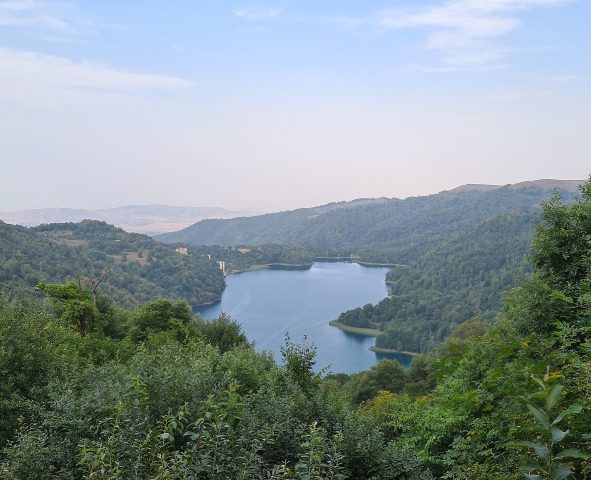
The square isn’t just a local hub; it’s also a gateway to the wider region. From here, roads lead to Göygöl National Park, one of Azerbaijan’s most beautiful natural areas, known for its lakes, forests, and mountain trails. Many visitors stop at the square first, whether to get their bearings or take a break before heading into the park. Locals understand this and are always ready with advice or a cup of tea.
As evening falls, the square takes on a different mood. Lamps cast warm light across the old buildings, their reflections dancing in the windows. Sometimes, soft music plays in the background, just enough to make sitting on a bench feel like the most natural thing in the world. In those moments, Göygöl feels like a place out of time, where life moves slowly and people remember to pause.
This isn’t just the geographic center of Göygöl. It’s where past and present intertwine, where every stone holds memories of those who lived, worked, and dreamed here. There’s nothing grand about it, and that’s precisely its charm. The square doesn’t try to impress—it simply exists, and that’s enough.