Waitomo is a quiet corner of New Zealand’s North Island, where the land seems to breathe differently. The name itself means "water passing through a hole" in Māori, a fitting description for a place shaped by underground rivers carving their way through ancient limestone. What draws most visitors here isn’t just the landscape above ground, but the hidden world beneath it—a labyrinth of caves where nature has spent millions of years crafting something extraordinary.
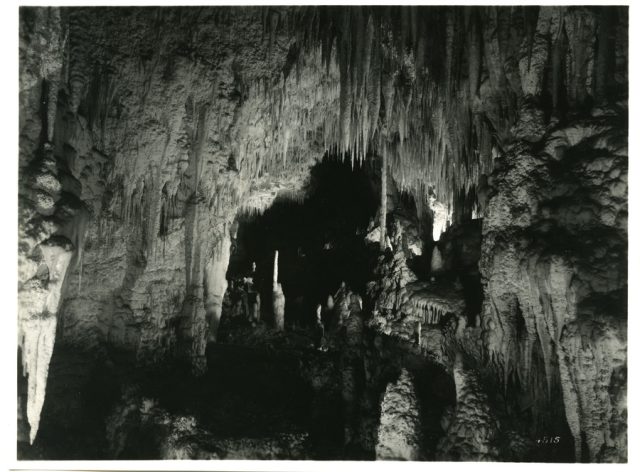
The caves began forming when rainwater, slightly acidic from absorbing carbon dioxide, seeped through cracks in the limestone, dissolving the rock over time. What remains is a network of tunnels, chambers, and underground rivers stretching for kilometers. Some sections are vast and cathedral-like, while others twist into narrow passages where the walls glisten with moisture. The most famous of these is Glowworm Cave, where the ceiling comes alive at night with tiny pinpricks of light. But the caves are more than just a spectacle—they’re a record of geological time, with stalactites and stalagmites growing at a pace so slow it’s measured in centuries.
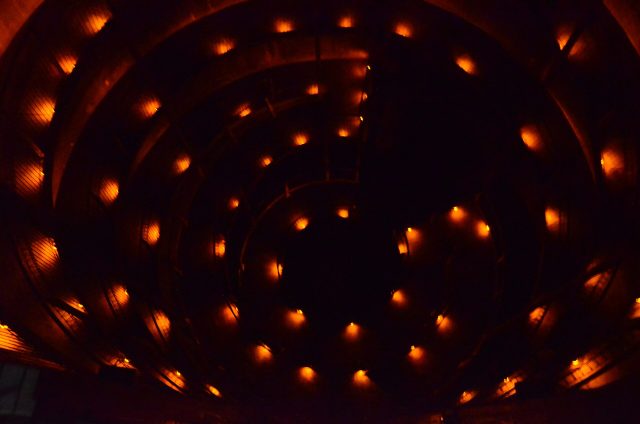
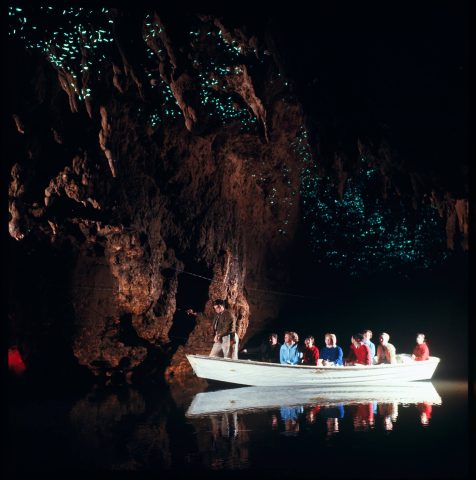
The glowworms themselves are a marvel. These aren’t fireflies, but the larvae of a species called *Arachnocampa luminosa*, found only in New Zealand. They produce light through a chemical reaction in their tails, a trick to lure prey into sticky threads they hang from the cave ceilings. In the dark, their glow transforms the cave into something otherworldly—a starry sky reflected in still water. For the Māori, who have known about these caves for centuries, the place held deep spiritual significance. One legend tells of a chief, Tūhounui-a-Rangi, who discovered the caves while searching for shelter, later passing down stories of their creation as part of his people’s oral history.
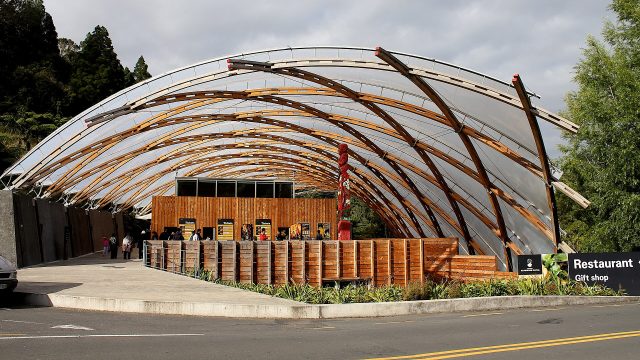
Today, the caves are accessible in ways that balance wonder with respect for their fragility. The Waitomo Adventure Centre offers several ways to experience them, from gentle boat rides along the underground river to more adventurous caving tours where you squeeze through tight spaces or rappel down rock faces. The boat ride in Glowworm Cave is the most popular, gliding silently through the dark while the ceiling shimmers above. There’s no artificial lighting—just the soft blue-green glow of the worms and the occasional drip of water echoing in the stillness. It’s easy to see why people describe the experience as magical, though the guides are quick to remind visitors that this is a living ecosystem, not just a tourist attraction.
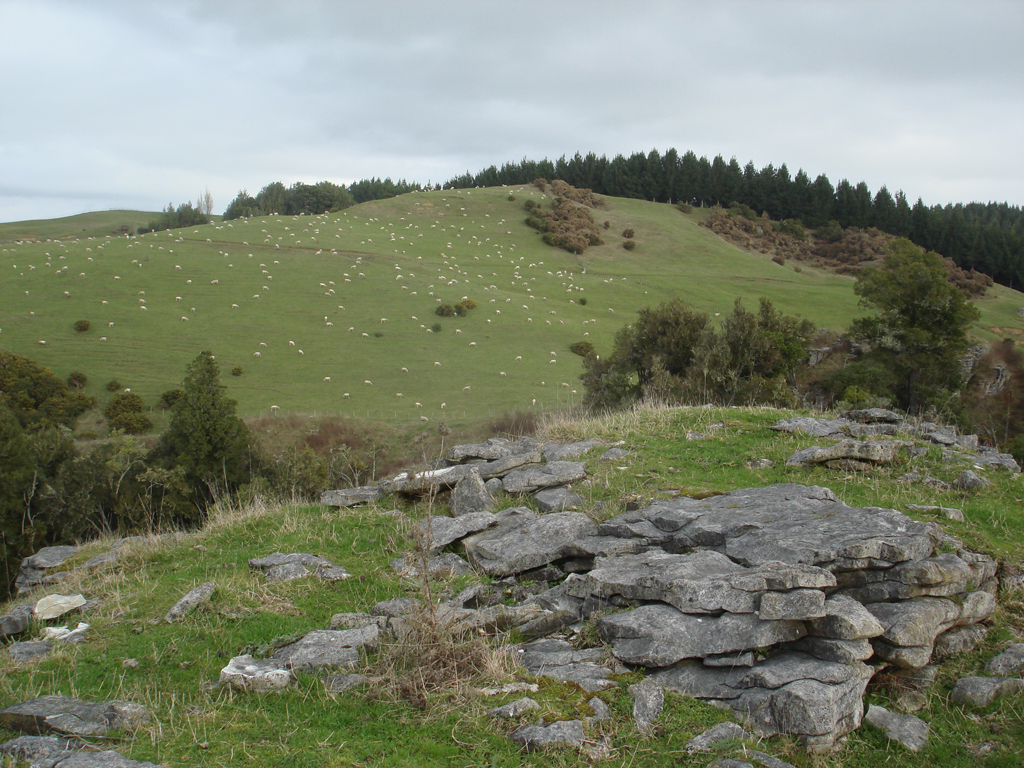
Beyond the caves, Waitomo has a slower, more grounded side. The surrounding countryside is classic New Zealand—rolling green hills dotted with sheep, where the air smells of earth and rain. Nearby, the Otorohanga Kiwi House offers a chance to see the country’s iconic flightless bird up close, while local farms sometimes open their gates for visitors to try their hand at sheep shearing or feeding lambs. The Waipa River, which winds through the valley, is a quiet spot for picnics or a swim in its clear waters. There’s no rush here, no need to fill every moment with activity. The pace of life in Waitomo feels deliberate, as if the land itself sets the rhythm.
What makes Waitomo special isn’t just the caves, but the way they connect the past to the present. For the Māori, they were a place of shelter, mystery, and reverence. For modern visitors, they’re a reminder of how small humans are in the face of geological time. The glowworms, the limestone formations, even the silence of the caves—all of it exists on a scale that’s hard to grasp. Yet there’s something deeply human about standing in the dark, looking up at that faint glow, and feeling a sense of awe. It’s the same feeling that must have struck those who first explored these caves centuries ago.
Visiting Waitomo isn’t like ticking off a bucket-list attraction. There’s no grand monument to pose in front of, no souvenir shops selling mass-produced trinkets. Instead, it’s a place that asks you to slow down, to pay attention to details—the way the air feels cooler underground, the sound of water dripping into a pool, the way your eyes adjust to the dark. The caves don’t give up their secrets easily. You have to meet them halfway, whether that means crawling through a tight passage or simply sitting still in the boat, letting the glowworms work their quiet magic.
That’s not to say Waitomo is only for the introspective. For those who want more action, there are black-water rafting tours where you float through caves in an inner tube, or abseiling trips that take you deep into the earth. But even these activities feel different here. There’s no roar of engines, no blaring music—just the sound of your own breath and the occasional instruction from a guide. The focus is on the experience itself, not the adrenaline rush.
What lingers after a visit to Waitomo isn’t just the memory of the glowworms, though that’s hard to forget. It’s the sense of having stepped into a place where time moves differently. The caves have been here for millions of years and will remain long after we’re gone. Standing in their quiet darkness, it’s impossible not to feel both insignificant and deeply connected—to the land, to the people who came before, to the slow, patient work of water and stone. That’s the real magic of Waitomo. It doesn’t just show you something beautiful; it makes you see the world a little differently.