Casa Manila isn’t just a museum—it’s a doorway into the colonial Philippines at the height of its prosperity. Built in the late 19th century, this house stands in the heart of Intramuros, the historic district where Spanish settlers, local nobility, and merchants once shaped the life of the city. Walking through its rooms, furnished with period pieces and everyday objects, you get a sense of what daily life was like in Manila over a century ago. Every detail, from the carved wooden ceilings to the wrought-iron window grilles, speaks of a home designed not just for living but for displaying status.
The architecture of Casa Manila follows the *bahay na bato* style, a hallmark of Filipino homes during the Spanish era. The name translates to "house on stone," and the ground floor, built from thick coral limestone blocks, served as both foundation and fortress. It was designed to withstand floods and earthquakes, common threats in this part of the world. The upper floor, made of wood, features large windows and spacious verandas, where families spent most of their time. High ceilings kept the heat at bay, while open galleries allowed breezes to flow through. Inner courtyards, surrounded by columns, provided a cool retreat for gatherings and quiet moments.
Inside, the house feels like a snapshot of a time when Manila was one of Asia’s most important trading hubs. The living rooms are filled with massive mahogany cabinets inlaid with ivory, while heavy-framed paintings hang on the walls. Bedrooms feature four-poster beds draped with embroidered linens and vanity tables with silver mirrors. The dining room is set with fine porcelain, crystal glasses, and polished silverware, arranged as if waiting for a family feast. Unlike many museums, the objects here aren’t locked behind glass—they invite you to look closely, to imagine the conversations and routines that once filled these spaces.
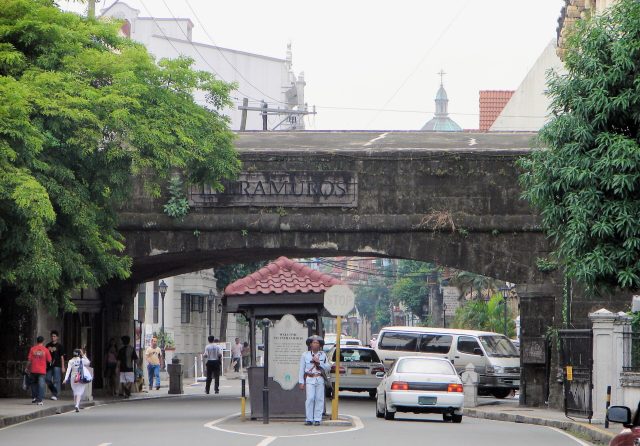
Casa Manila is more than a reconstruction of a single home; it’s part of a larger effort to preserve Intramuros, the walled city founded by the Spanish in the 16th century. Once the political and cultural heart of colonial Manila, Intramuros was home to governors’ palaces, churches, and the residences of the elite. The 20th century brought destruction—first from wartime bombings, then from neglect and modern development. In the 1970s, restoration began, and Casa Manila was one of the first steps in reviving the district. Today, it stands as a reminder of what Manila was before it became the bustling metropolis it is now.
A visit here offers a glimpse into the cultural blending that defines the Philippines. While the house reflects Spanish colonial design, many elements reveal local influences. The kitchen, for instance, mixes European tableware with clay pots and wooden mortars used for traditional cooking. Bedrooms display Catholic icons alongside folk charms, hinting at the syncretism of beliefs. This interplay of cultures is central to Filipino history, and Casa Manila brings it to life in a way that feels tangible rather than academic.
Guided tours often delve into the social history of the era, explaining how families celebrated weddings, observed traditions, and raised children. One of the most compelling stories is that of the women who managed these households—how they navigated their roles, what freedoms they had, and how they shaped society. These narratives make Casa Manila more than a static exhibit; they turn it into a place where the past feels immediate.
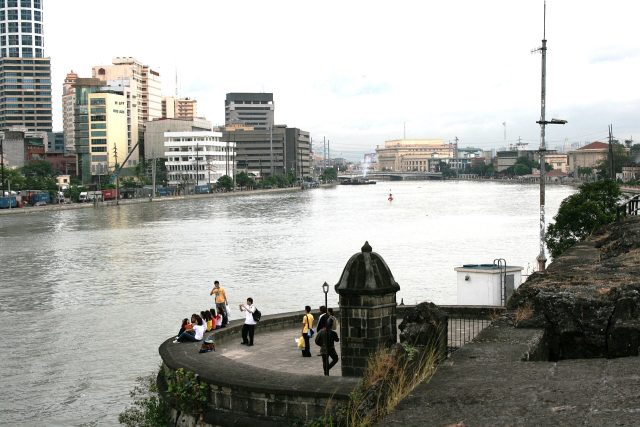
Surrounded by other landmarks of Intramuros, Casa Manila is just one stop in a district rich with history. Nearby, Fort Santiago’s ramparts and dungeons tell stories of wartime struggles, while Manila Cathedral, rebuilt after countless earthquakes, stands as a testament to resilience. Small museums, galleries, and cafés dot the area, offering places to pause and reflect. Together, they create an atmosphere that feels like stepping into old Manila—a city that has weathered storms but still carries the echoes of its past.
The best way to experience Casa Manila is as part of a walk through Intramuros. The district is compact, easily explored on foot in a few hours. Unlike the rest of the city, it moves at a slower pace, with narrow streets and colonial buildings that transport you to another time. On weekends, it’s lively with locals and visitors taking photos, visiting museums, or simply enjoying the shade of ancient trees. The scent of freshly baked bread from local bakeries and the aroma of coffee from small cafés linger in the air. Casa Manila is just one piece of this puzzle, but it’s the one that helps you understand how people lived, loved, and built their lives in this city over generations.