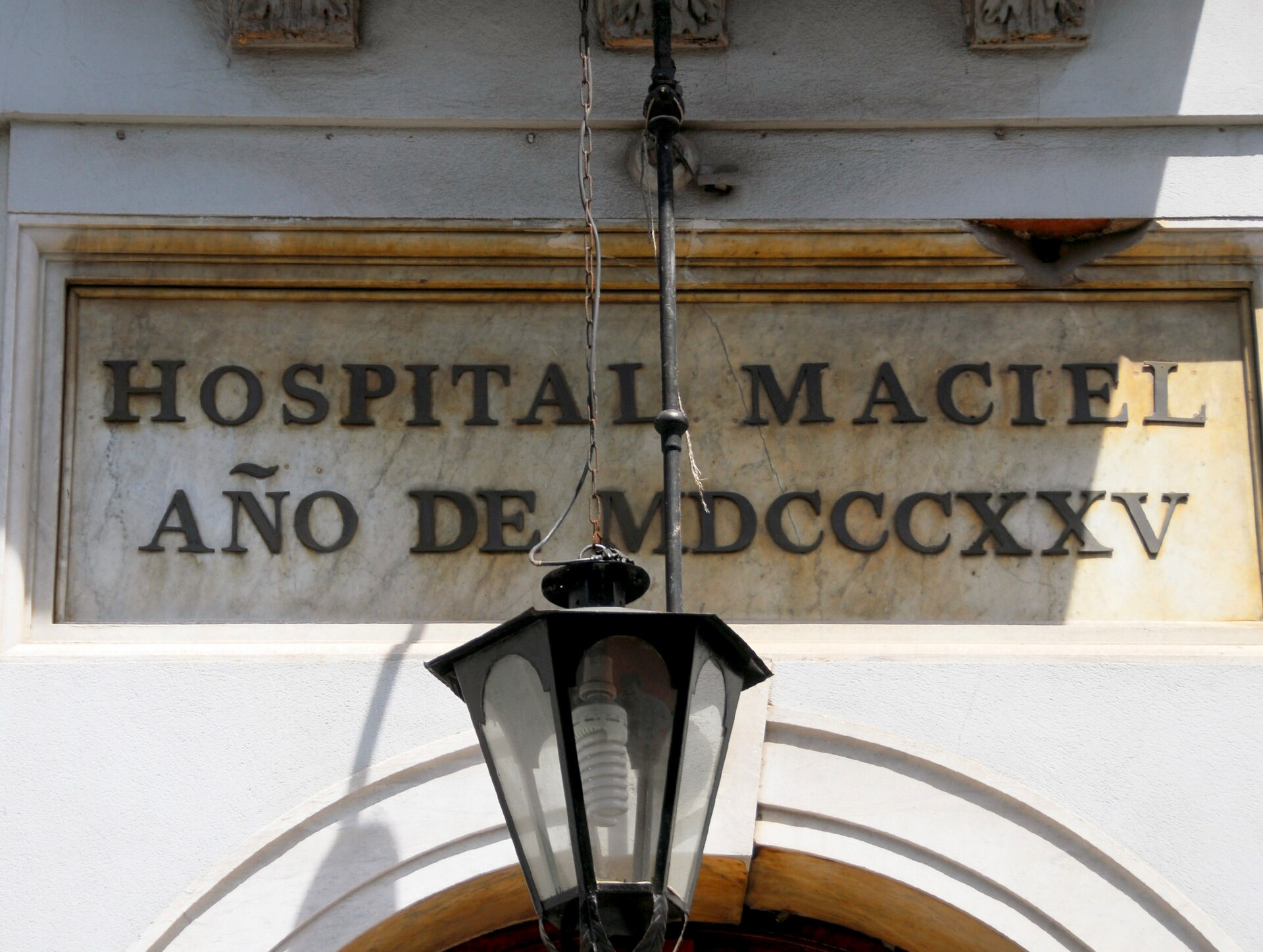
The Chapel of Charity at Maciel Hospital is one of those quiet corners of Montevideo where time seems to have paused, preserving the spirit of the colonial era in its understated architecture. Tucked within the grounds of one of the city’s oldest hospitals, founded in the 18th century, it serves as both a place of worship and a living piece of history. Unlike the more frequented landmarks, this chapel rarely sees casual visitors, which only adds to its charm. Here, you can step away from the noise of modern life and feel as though you’ve slipped into the past, undisturbed.
Built in the Baroque style typical of Spanish colonial architecture, the chapel’s exterior is modest yet striking. Its whitewashed walls are framed by simple pilasters and a restrained pediment, while a small bell tower above the entrance once called the faithful to prayer. Inside, the space feels surprisingly airy for such a small sanctuary. High vaulted ceilings, supported by sturdy columns, create a sense of lightness, and the soft glow filtering through narrow windows illuminates the old frescoes and wooden pews. Much of the interior has survived the centuries intact—the gilded, carved altar, the aged icons, and even some of the original liturgical objects that have witnessed generations of worshippers.
The chapel’s story is deeply intertwined with that of Maciel Hospital itself, which was established in 1788 by a brotherhood dedicated to charity. At the time, it was one of Montevideo’s first medical institutions, a significant step in the city’s development. The hospital was conceived as a charitable endeavor, offering care to the poor and sick, and the chapel played a central role in this mission. Patients and their families would gather here to pray for healing, while priests provided spiritual comfort. Though the hospital has since expanded and modernized, the chapel has remained its quiet heart, a place where the care of body and soul were once—and still are—closely linked.
Today, the chapel continues to serve its original purpose, even as Maciel Hospital has grown into a contemporary medical facility. Services are still held here, and locals often stop by to pray or simply sit in silence. For visitors, the chapel can feel like an unexpected discovery. Montevideo has many churches, but few carry the same sense of authenticity. There’s no grandiosity here, just a quiet dignity that resonates more deeply than any ornate decoration.
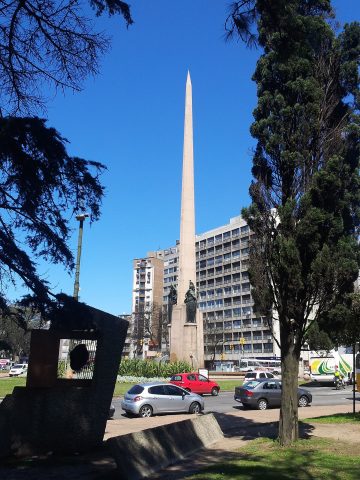
The surrounding area is worth exploring as well. Maciel Hospital is located in one of the city’s oldest neighborhoods, where narrow streets and low-rise buildings still echo the colonial past. Nearby, Plaza Constitución—one of Montevideo’s earliest squares—offers a glimpse of other historic structures and the unhurried pace of the old city. A short walk leads to the waterfront, where the bay and port serve as a reminder of Montevideo’s long-standing connection to the sea.
The Chapel of Charity isn’t just an architectural relic; it’s a place where history feels tangible. You can run your fingers along walls that have witnessed countless lives, sit on pews where nameless generations once prayed, and reflect on how much changes while some things remain the same. That’s the beauty of this place—it doesn’t try to impress. It simply exists, a quiet reminder of what endures beyond the rush of the present.
Visiting the chapel offers a different perspective on Montevideo—not as a tourist hub, but as a city with deep roots and a soul of its own. There are no crowds, no souvenir stalls, no loud announcements, just stillness, light, and the sense that time moves differently here. Perhaps that’s why it lingers in the memory, not as a place for fleeting excitement, but as one that offers something far more lasting: peace.