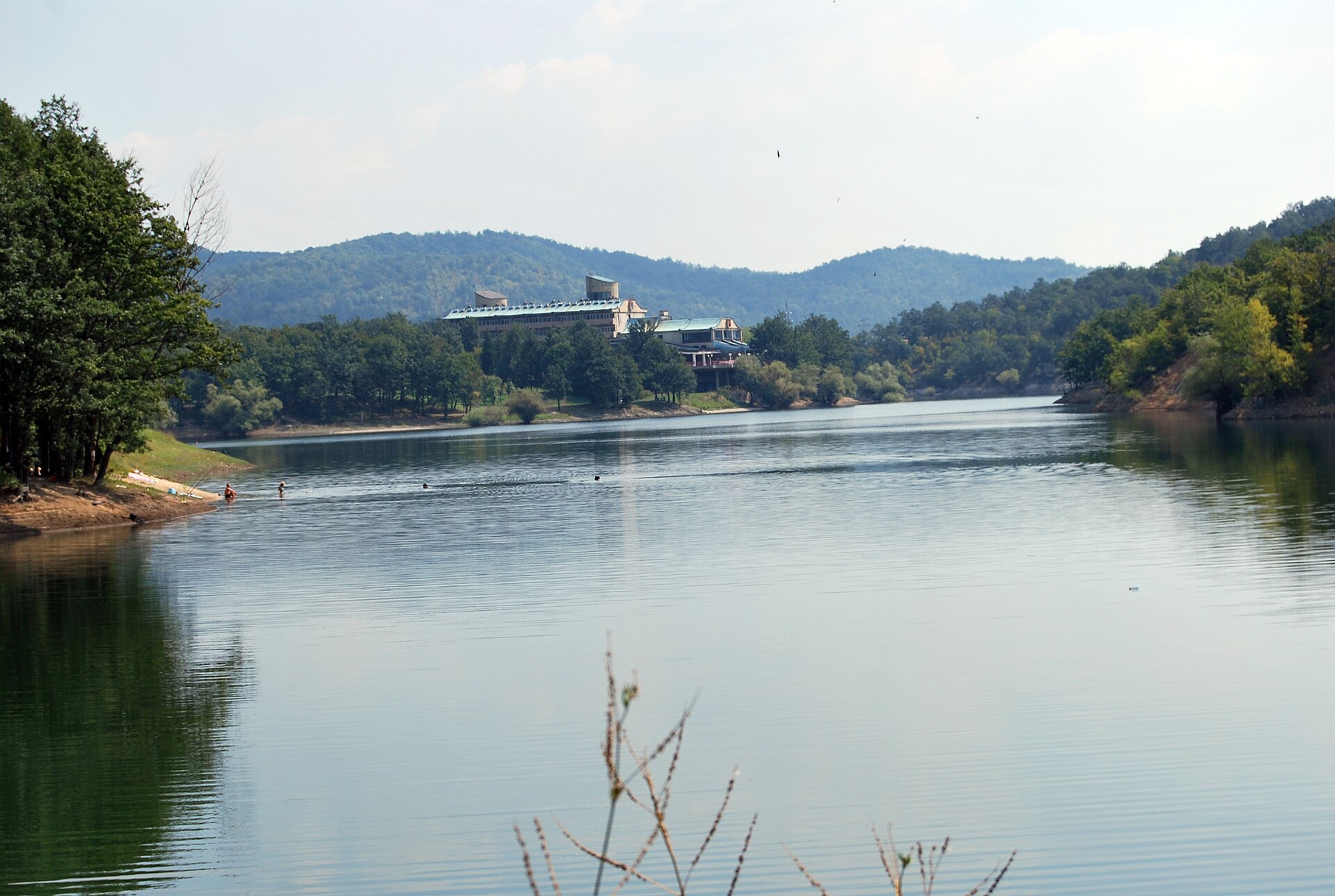
Borsko Lake is one of those quiet places that doesn’t announce itself with grand monuments or tourist crowds, yet it holds a certain understated charm. Tucked in eastern Serbia, near the mining town of Bor, this artificial lake was created in the 1950s as part of a larger industrial project. The idea was to regulate water flow for the nearby copper mines, but over time, the lake evolved into something more—a retreat for locals and a quiet escape for those who stumble upon it.
The lake stretches across a modest area, surrounded by rolling hills and patches of forest. The landscape here is unassuming, with no dramatic cliffs or sweeping vistas, but that’s part of its appeal. The water is calm, reflecting the sky and the occasional passing cloud, and the shoreline is dotted with small beaches where people come to swim, fish, or simply sit with a book. There’s no grand infrastructure—just a few simple paths, wooden benches, and the occasional boat rental. It’s the kind of place where you can spend an afternoon without feeling the need to do much at all.
What makes Borsko Lake interesting isn’t just its natural setting, but the way it fits into the region’s history. Bor has long been defined by its copper mines, which have shaped the town’s identity for over a century. The lake was born out of that industrial past, a practical solution that unintentionally created a space for leisure. It’s a reminder of how human needs—whether for resources or respite—often shape the landscape in unexpected ways. The mines are still active today, and their presence lingers in the background, a quiet contrast to the lake’s tranquility.
The area around the lake is mostly undeveloped, which means there’s a sense of seclusion even though it’s not far from Bor itself. The roads leading here wind through small villages and open fields, giving the journey a slow, unhurried feel. In the summer, the lake becomes a gathering spot for families and groups of friends, who come to picnic under the trees or take a dip in the cool water. The beaches are simple, with no fancy resorts or beach bars, just a few shaded spots where you can spread out a towel and listen to the sound of water lapping against the shore.
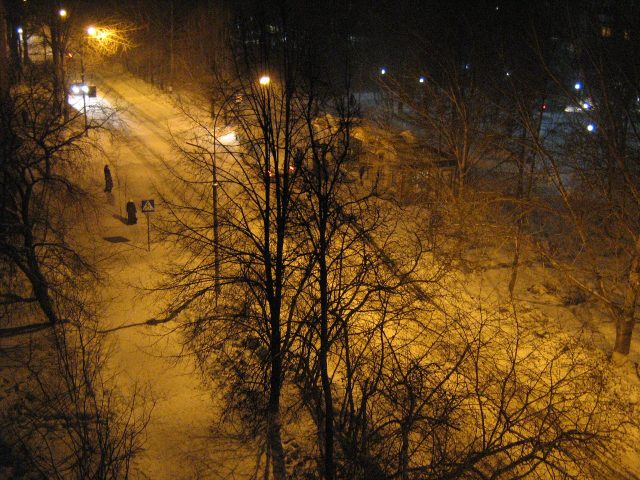
Winter transforms the lake into a different kind of place. The crowds thin out, and the water takes on a steely gray hue, matching the overcast skies. The surrounding hills, dusted with snow, give the landscape a stark beauty. It’s not a destination for winter sports, but for those who enjoy quiet walks or the occasional ice fishing, it has its own quiet allure. The cold season here feels like a well-kept secret, a time when the lake belongs almost entirely to the locals.
One of the lake’s subtle pleasures is its wildlife. The area isn’t a nature reserve, but the mix of water, forest, and open land attracts a variety of birds, from herons to ducks, and if you’re lucky, you might spot a deer or two near the water’s edge at dawn or dusk. The fishing here is decent, with carp and catfish among the common catches. There’s no need for a fancy rod—just patience and a bit of luck. For those who enjoy birdwatching or simply sitting by the water with a line in the water, it’s a peaceful way to pass the time.
The lake’s proximity to Bor means it’s easy to combine a visit with a look at the town itself. Bor isn’t a tourist hotspot, but it has its own rough-edged character, shaped by decades of mining. The industrial past is visible in the towering chimneys and the occasional abandoned structure, but there’s also a sense of resilience in the way the town has adapted. The local museum offers a glimpse into the region’s mining history, and the nearby hills provide a few hiking trails with views over the area. It’s not the kind of place that demands attention, but for those who take the time to look, there’s more to it than meets the eye.
Borsko Lake isn’t the kind of destination that makes it onto glossy travel brochures, and that’s probably for the best. It’s a place that thrives on simplicity, where the appeal lies in the lack of pretension. There are no grand hotels, no guided tours, no must-see attractions—just a stretch of water, a bit of greenery, and the quiet rhythm of everyday life. For those who find themselves here, it offers a chance to slow down, to notice the small things, and to appreciate a corner of Serbia that exists outside the usual tourist routes. It’s not about what you do here, but how the place makes you feel—unhurried, unburdened, and just a little bit removed from the noise of the world.