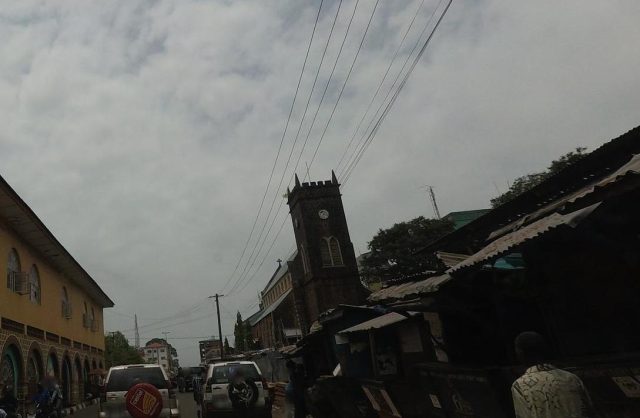
Freetown’s Big Market is where the city’s pulse feels strongest. It’s not just a market—it’s a living part of Sierra Leone’s capital, where history, commerce, and daily life collide. If you want to understand Freetown, this is where you’ll find it.
The market has been around for generations, though no one knows exactly when it began. It grew alongside the city, evolving from a small trading hub into today’s sprawling maze of stalls. Freetown was founded in the late 18th century as a settlement for freed slaves, and the market became a natural gathering point. People from different backgrounds, languages, and walks of life exchanged goods, stories, and news. Over time, it expanded, absorbing the city’s energy. Wars, economic shifts, and urban development left their mark, but the market endured.
Walking into the Big Market is like stepping into another world. The air smells of spices, smoked fish, and fresh produce, mixed with diesel from passing vehicles. The noise never stops—haggling voices, clattering metal bowls, vendors shouting prices. The market isn’t one building but a network of covered and open-air sections. Some areas are packed with stalls selling fabrics or second-hand electronics. Others are more spread out, with vendors beside piles of tomatoes, onions, or dried herbs.
Here, you’ll see women balancing trays of fried plantains on their heads. Men push carts piled high with sacks of rice. Children dart between stalls, helping or just watching. The market isn’t just for locals. Expats, aid workers, and travelers come to shop, observe, or get lost in the crowd. Some come for practical reasons, others for the experience.
The architecture is simple. Most structures have corrugated metal roofs and wooden beams. Some sections are permanent, with concrete floors and brick walls. Others feel temporary, as if they could be dismantled overnight. The layout is organic, shaped by decades of use. Stalls spill into the streets. Narrow pathways wind between them, forcing you to slow down. There’s no map, no clear signage—just the understanding that patience will lead you to what you need.
For many Freetown residents, the Big Market is more than a place to buy and sell. It’s where neighbors catch up, where gossip spreads, where time passes slowly. Women sort peppers or negotiate bulk purchases of palm oil. Men gather around stalls selling kola nuts. Traditions stay alive here—how foods are prepared, how deals are struck with a handshake.
Challenges exist. Overcrowding, sanitation, and disputes between vendors are part of daily life. But these don’t define the place. What stands out is the resilience of the people who work here. They’ve turned a simple market into something far greater.
You might leave with a bag of rice, a handwoven basket, or a pair of sandals. The real takeaway is the sense of having glimpsed something real. The market doesn’t perform for visitors. It doesn’t need to. It’s too busy being itself, and that’s why it’s worth seeing.