- Home
- Sierra Leone
- Freetown

Freetown
Sierra Leone · 3 places
Photo: David Hond, CC BY 2.0
Freetown is a city that defies easy comparison, perched on rolling hills where the land meets the Atlantic. Its story begins with an unlikely twist of fate: in the late 18th century, freed slaves from America and Britain arrived here, seeking a new beginning. Their hopes for freedom shaped the city in ways that still linger—whether in the crumbling colonial facades, the cadence of Krio spoken on the streets, or the names of neighborhoods that hint at a past both painful and resilient. Today, Freetown is a place of restless energy, where the ocean’s rhythm clashes with the hum of daily life, and where the weight of history feels as present as the salt in the air.
Life here moves to its own beat, unhurried yet full of motion. By dawn, the markets of Cotton Tree and Waterloo are already alive with color—piles of mangoes, pineapples, and bananas stacked beside freshly caught fish, their scales glinting under the morning sun. The scent of spices mingles with the briny breeze, thick enough to taste. Freetown doesn’t bother with the polish of a tourist brochure. Its streets are a mix of dust and vitality, where the clamor of traffic gives way to quiet corners where time seems to slow. In the evenings, the city doesn’t sleep so much as shift into a different kind of wakefulness, with music spilling from open windows and the murmur of conversation carrying late into the night.
The architecture tells a story of layers, each era leaving its mark. Faded colonial buildings with peeling paint and soaring ceilings stand alongside modern offices and corrugated-iron shacks, their corrugations rusted by years of rain. On the hills, the grand old mansions built when Freetown was the heart of British West Africa now wear their age like a badge—some crumbling, others stubbornly elegant. In the city center, the imposing courthouse looms, a reminder of the days when this was a seat of power, its corridors still echoing with the weight of decisions made long ago.
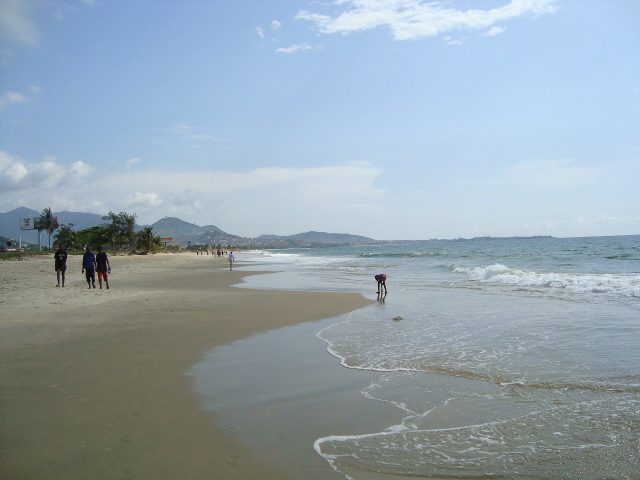
The ocean isn’t just a backdrop here; it’s a lifeline. Beaches like Lumley and Tokeh draw locals as much as visitors, offering a respite from the heat or a place to gather with friends as the sun dips low. Fishermen haul in their catch at dawn, their boats bobbing in the shallows, while children dart through the waves, oblivious to the tide’s pull. Further along the coast, hidden coves offer a different kind of escape, where the water stretches endlessly and the horizon blurs into the sky.
Freetown is a city of contrasts, where wealth and struggle exist side by side, and where the past isn’t just remembered but lived. There are no manicured resorts or carefully curated attractions—just the raw, unfiltered pulse of a place that refuses to be anything but itself. It doesn’t try to charm; it simply is. And in that unapologetic authenticity, there’s a kind of beauty—one that doesn’t rely on perfection, but on the messy, vibrant truth of what it means to be alive. For those who want to see Africa not as a postcard, but as it really is, Freetown offers a glimpse of something rare: a city that feels utterly, unmistakably real.
See & Do
All of them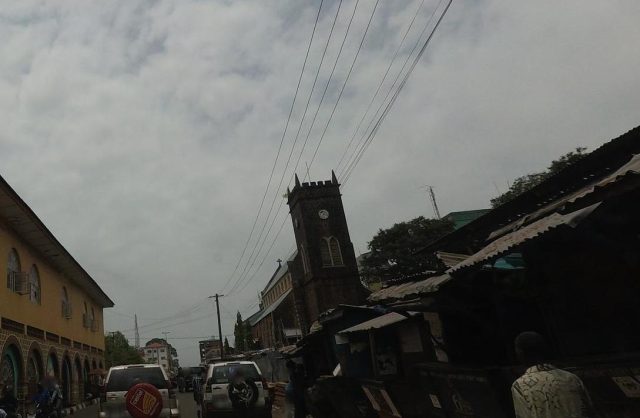

Places on the map
Marker colour follows the categoryClimate and weather
Detailed weather: Freetown- Average temperature
- 27 °C
- Precipitation per year
- 2599 mm
Average air temperature
°C
28
28
28
29
28
27
26
26
27
27
28
28
Jan
Feb
Mar
Apr
May
Jun
Jul
Aug
Sep
Oct
Nov
Dec


