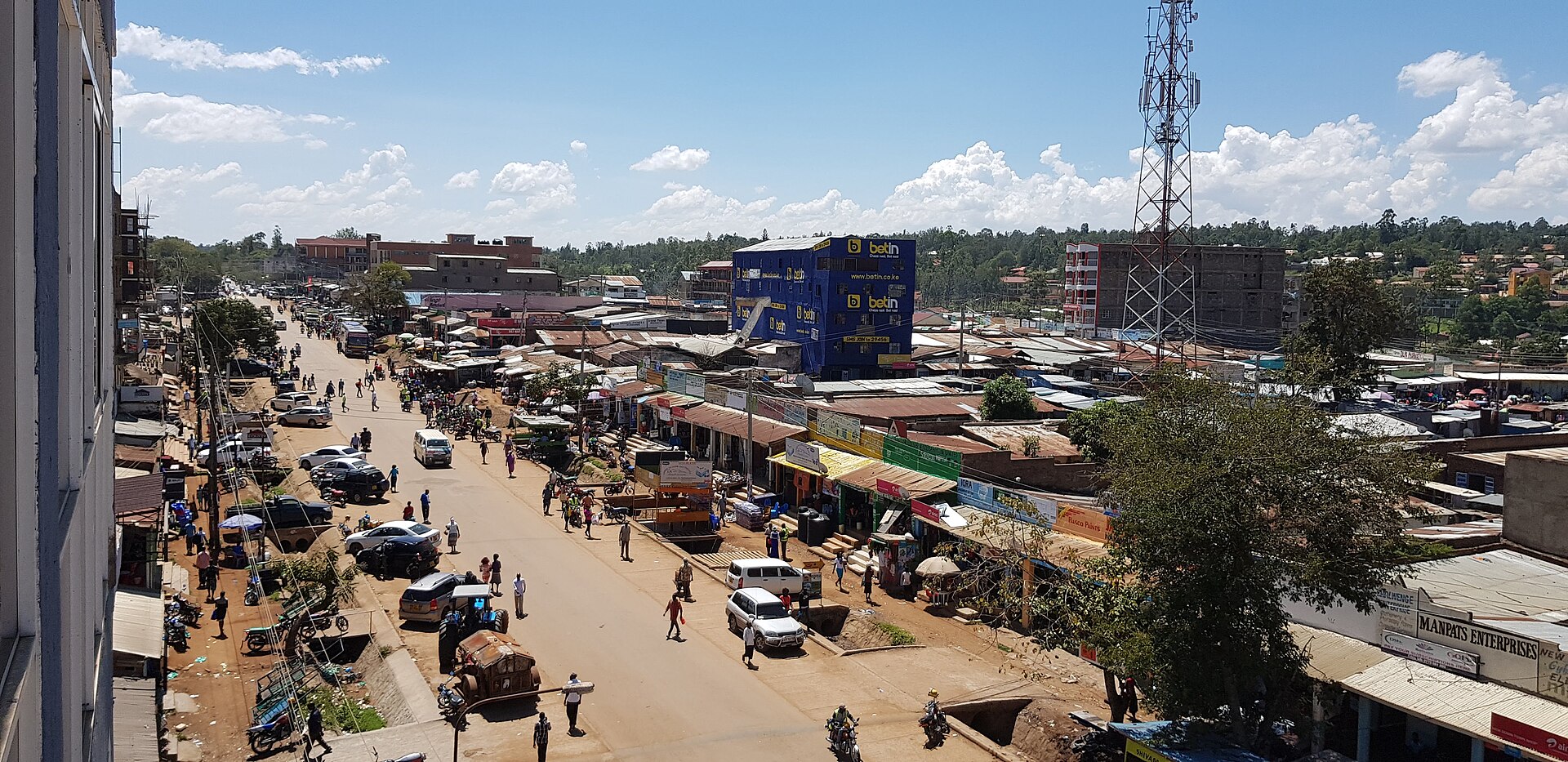
Lake Migori sits in the rolling hills of western Kenya, not far from the Tanzanian border, where the landscape is shaped by sugarcane fields and quiet villages. Among the low-slung buildings of the town, one structure stands out—not for its grandeur, but for the role it plays in the lives of those who depend on it. Migori County Hospital is more than a medical facility; it’s a place where people from surrounding communities and even neighboring countries come seeking care, often as a last resort. For decades, it has been a steady presence in a region where access to healthcare remains uneven.
The hospital’s origins trace back to the mid-20th century, when western Kenya was largely overlooked by national development efforts. At the time, medical services in the area were scarce, and many people had to travel long distances for even basic treatment. With support from international organizations and local authorities, the decision was made to establish a hospital that could serve not just Migori town but the entire district. What began as a modest clinic gradually expanded, becoming one of the most important healthcare providers in Nyanza Province. Its growth mirrored the region’s struggles and slow progress, reflecting both the challenges and the resilience of rural Kenya.
The architecture of the hospital is unassuming, designed for function rather than form. Long, single-story buildings painted in faded pastels stretch along tree-lined paths, their walls weathered by years of sun and rain. Inside, the wards are spacious, with high ceilings that offer some relief from the heat. Locals often refer to it as the "white house," though the name is more nostalgic than accurate—time has dulled the original brightness of the paint. Still, the hospital remains a familiar landmark, its presence a constant in a town where change comes slowly.
Today, Migori County Hospital serves as more than just a treatment center; it’s a vital part of the community’s social fabric. Many of the doctors and nurses working here grew up in the area, returning after training in Nairobi or abroad to give back to the place that shaped them. For them, the hospital isn’t just a job—it’s a commitment to improving lives in a region where healthcare can mean the difference between survival and despair. Patients arrive with a range of ailments, from injuries and infections to complications during childbirth. The hospital plays a particularly crucial role in addressing malaria and HIV, two persistent threats in this part of Kenya.
The atmosphere inside the hospital is far from the sterile efficiency of larger urban clinics. Instead, it feels like an extension of the town itself. In the courtyards, women sit on benches with children in their arms, waiting for their turn; elderly men stroll along the paths, exchanging news; and vendors cluster near the entrance, selling fruit, flatbread, and steaming cups of tea. For many patients and their families, the hospital becomes a temporary home, a place where they spend days or even weeks as they recover. The lines between medical care and daily life blur here, creating a space that feels both urgent and deeply human.
Despite its importance, the hospital operates under constant strain. Resources are limited, and while some modern equipment has been introduced in recent years, the core challenges remain. There are never enough doctors or nurses, and medications often run short. Staff work long hours, and patients frequently endure lengthy waits. Yet, the hospital’s reputation in the community is one of quiet respect. For those who rely on it, it’s not just a building—it’s a place where help is given, even when conditions are far from ideal.
Migori County Hospital is a reflection of Kenya’s broader healthcare landscape, where progress is measured in small, hard-won steps. It stands as a reminder that in rural areas, medicine isn’t a luxury but a necessity, often determining whether someone lives or dies. To outsiders, it might look like an ordinary provincial hospital, but for the people of Migori, it’s an essential part of their lives. Its story isn’t just about the care it provides; it’s about the resilience of a community that continues to depend on it, day after day.