Sheki’s bazaar is one of those rare places where time seems to slow down, where the pulse of the city settles into a rhythm all its own. Tucked into the heart of Sheki, this market isn’t just a place to buy and sell—it’s a living piece of history, a fragment of the old caravan routes that once crisscrossed the region. Everything here carries the weight of tradition, from the way the buildings are constructed to the goods laid out on the stalls, from the easy banter of the vendors to the scent of spices lingering in the air. The bazaar isn’t just a shopping destination; it’s a place where you can step into the real Azerbaijan, unfiltered by tourist brochures or curated experiences.
The architecture of the bazaar blends seamlessly with Sheki’s historic character, a city that was once a vital stop on the Great Silk Road. The market’s buildings, made of red brick with arched passageways and wooden awnings, evoke the days when merchants from Persia, India, and Central Asia would pause here on their journeys. The narrow alleys and inner courtyards create a labyrinthine feel, where every turn reveals something new. Even if you don’t plan to buy anything, wandering through the bazaar feels like a small journey into the past, a glimpse of how life here has unfolded over centuries.
The stalls at Sheki’s bazaar offer a snapshot of the region’s daily life. You’ll find fresh produce grown in the fertile lands of the Sheki-Zagatala region—pomegranates, figs, quince, and grapes, their colors and flavors shifting with the seasons. Nuts and dried fruits take center stage here, too: hazelnuts, walnuts, apricots, and raisins, all prepared using age-old methods. Local cheeses like *motal* and *shor* are staples, as is honey harvested from the foothills of the Caucasus. In summer, the market overflows with watermelons and melons from the Kura-Araz lowlands, while winter brings citrus fruits from Lankaran. The variety is a testament to the region’s agricultural richness, shaped by its climate and geography.
One of the most compelling parts of the bazaar is the section dedicated to handmade crafts. Sheki has long been known for its silk, woven using techniques passed down through generations. Here, you can find shawls with intricate patterns, embroidered tablecloths, and delicate silver and copper jewelry. Some stalls sell hand-painted ceramics or wooden items carved with traditional designs. Even if you’re not in the market for souvenirs, watching the artisans at work is fascinating. Many are happy to explain their craft, offering a glimpse into the skills that have defined Sheki’s cultural identity for centuries.
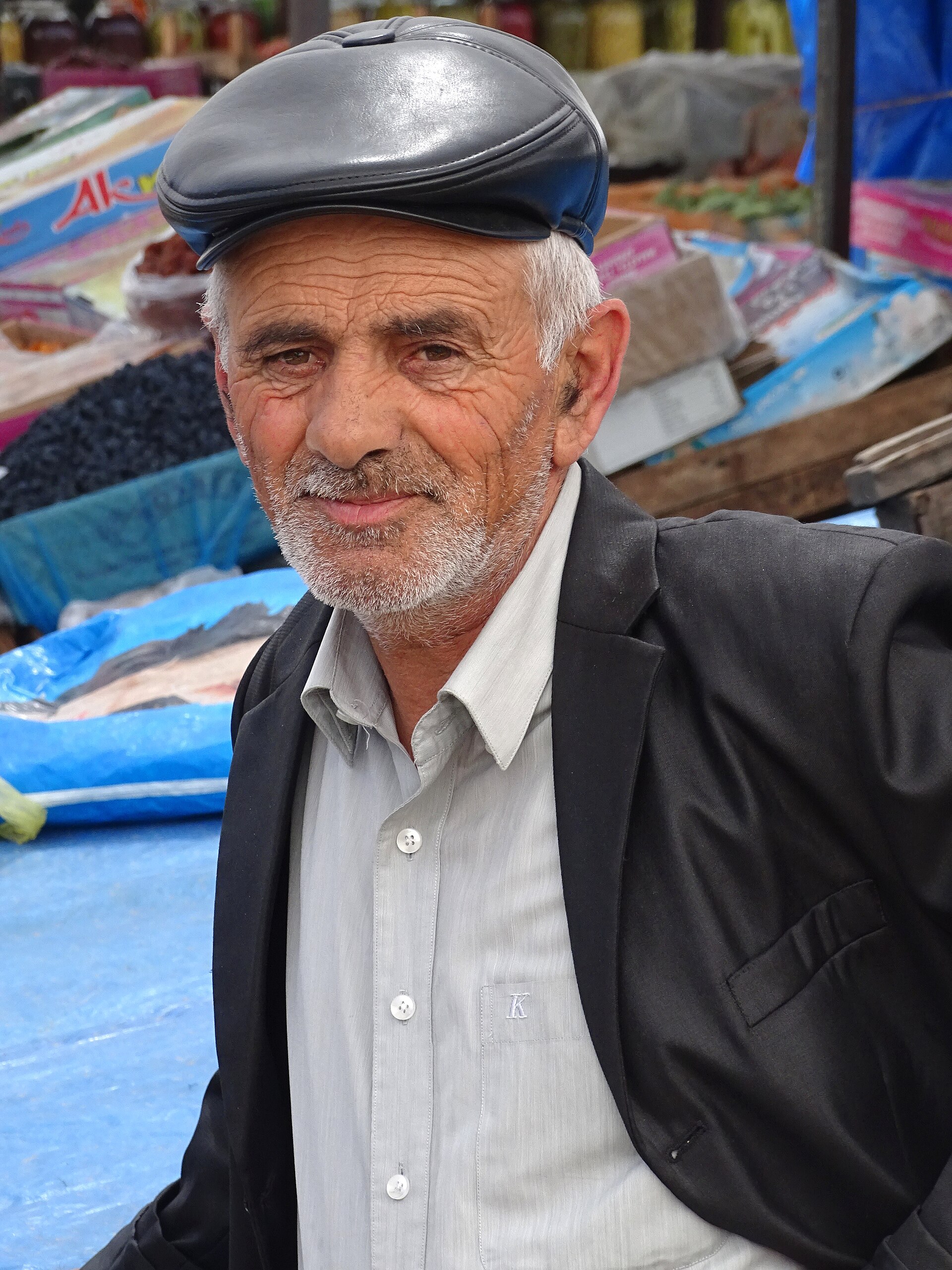
But the bazaar isn’t just about the goods—it’s about the people. The market is a cross-section of local life, where you’ll see elderly men sipping tea in a *chaykhana*, women haggling over a bunch of herbs, and children helping their parents at the stalls. The atmosphere is lively but never rushed. Vendors often invite you to sample their wares—a slice of cheese, a handful of nuts, a cup of freshly brewed tea. It’s hard to refuse, and why would you? This is part of the local hospitality, a tradition as old as the bazaar itself.
The rhythm of the market follows its own unhurried logic, a pattern that hasn’t changed in decades. Mornings are the busiest, with deliveries of fresh produce arriving as the sun begins to warm the streets. The air fills with the sounds of voices, the creak of carts, and the aroma of freshly baked bread. By midday, the pace slows, and vendors settle into conversations over tea, catching up on news or sharing stories. In the evening, the bazaar comes alive again, but in a quieter way—locals stopping by for last-minute groceries, tourists wandering through the alleys, soaking in the atmosphere.
For anyone looking to understand Sheki beyond its postcard-perfect sights, the bazaar is the perfect place to start. There are no tourist traps here, no pushy salespeople, just the unvarnished reality of daily life. You could spend hours wandering between the stalls, listening to the hum of conversation, tasting local delicacies, and watching the city go about its business. That’s the real charm of Sheki’s bazaar: it wasn’t built for outsiders, but it’s outsiders who often find something authentic here, something you won’t encounter in more polished destinations.
Sheki has a way of surprising visitors, and its bazaar is one of those surprises. It’s not like the bustling, chaotic markets of other cities, where vendors shout to be heard over the crowd. Here, everything is quieter, more understated, but no less interesting. The bazaar is a reflection of the city itself—old, welcoming, and very much alive. When you visit, it becomes clear that Sheki isn’t just a dot on a map. It’s a place where history and the present coexist naturally, where the past isn’t preserved in museums but lived every day.