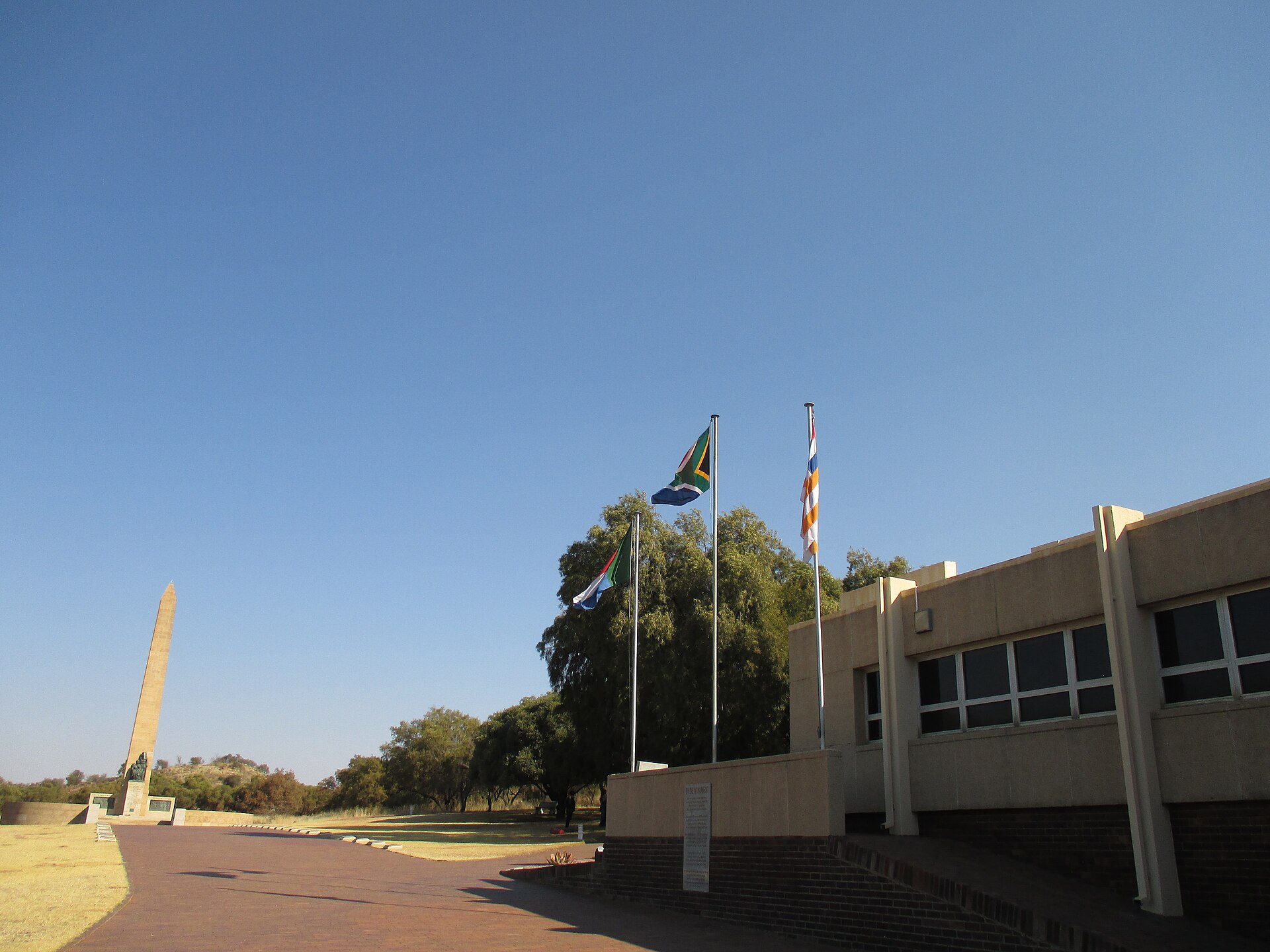
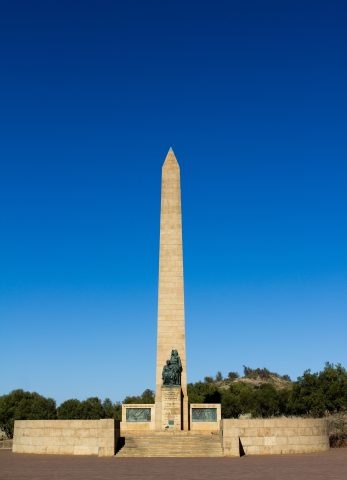
In the quiet heart of South Africa, where the highveld stretches under an endless sky, Bloemfontein holds a place that refuses to let history fade. The Anglo-Boer War Museum isn’t just a building filled with relics—it’s a space where the past lingers, where the echoes of a brutal conflict still resonate in the dimly lit halls. This was a war that shaped a nation, pitting descendants of Dutch settlers against the might of the British Empire, not over grand ideologies, but over land, gold, and the right to exist on their own terms. There are no heroes here, no triumphant narratives, only the weight of what was lost and the quiet resilience of those who survived.
The museum opened in 1931, when the wounds of the war were still fresh, when those who had lived through it could still walk its halls. It began as a memorial to the women and children who perished in British concentration camps, where disease and starvation claimed tens of thousands of lives. Over time, the collection grew, absorbing artifacts that told the broader story: rifles rusted from use, letters smudged with dirt and sweat, photographs of faces worn thin by hardship. Each room unfolds a different chapter—the causes of the war, the shifting tides of battle, the grim reality of life behind the lines, and the aftermath that reshaped a continent.
The building itself feels like a relic. Low ceilings press down, heavy wooden beams creak underfoot, and the stone walls seem to absorb the silence. The lighting is subdued, as if the curators understood that some stories are best told in half-light. The memorial hall is the most haunting space, where names are carved into the walls—not in celebration, but in remembrance. There’s no grandeur here, just the quiet acknowledgment of lives cut short, of families torn apart. It’s impossible to stand in that room and not feel the weight of what was endured.
One of the most difficult sections is dedicated to the concentration camps. Behind glass, ordinary objects take on a terrible significance: a child’s doll, its fabric worn thin; a pair of shoes, scuffed and small; a letter, the handwriting shaky with exhaustion. These weren’t just things—they were all that remained of people who had been stripped of everything else. Nearby, photographs show the stark reality: rows of makeshift barracks, faces hollow with hunger, eyes that have seen too much. The contrast is jarring—the African sun still shines just as brightly outside, the land just as vast and open, as if the earth itself has no memory of what happened here.
The war didn’t begin over ideals, but over resources. Gold and diamonds had been discovered in the Boer republics, and the British Empire wanted control. What followed was a struggle that defied easy narratives. The Boers, outnumbered and outgunned, fought with a desperation born of knowing they had no choice. The British, for their part, brought the full force of their imperial might to bear, only to find that victory came at a cost neither side had anticipated. The war dragged on, shifting from conventional battles to a brutal guerrilla campaign, until finally, in 1902, the Boers surrendered. But the peace that followed was fragile, built on the ruins of a society that had been torn apart.
The museum doesn’t end with the war. It carries the story forward, into the uneasy peace that followed. Documents from the Treaty of Vereeniging, which ended the conflict, sit alongside artifacts from the early days of the Union of South Africa. There are tools used in reconstruction, letters from families trying to rebuild their lives, reminders that even after the guns fell silent, the work of healing was only beginning. It’s a testament to the fact that wars don’t just end—they leave scars that take generations to fade.
What makes this museum different from so many others is its refusal to sanitize history. There are no dramatic reenactments, no interactive displays designed to entertain. Instead, there’s a quiet insistence on truth, even when that truth is uncomfortable. In an age where war can feel distant, reduced to headlines and statistics, this place forces you to confront the human cost. Every uniform, every diary entry, every name on the wall belonged to someone who once had a life, a family, a future that was stolen from them.
Walking through the museum leaves you with a sense of unease, but also something deeper—a recognition of resilience. Bloemfontein is often overlooked, a city that doesn’t draw the same crowds as Cape Town or Johannesburg. But it holds this history as part of its identity, a reminder that the past isn’t just something to be studied—it’s something that shapes the present. The Anglo-Boer War Museum isn’t just a place to visit. It’s a place where history isn’t just remembered; it’s felt.