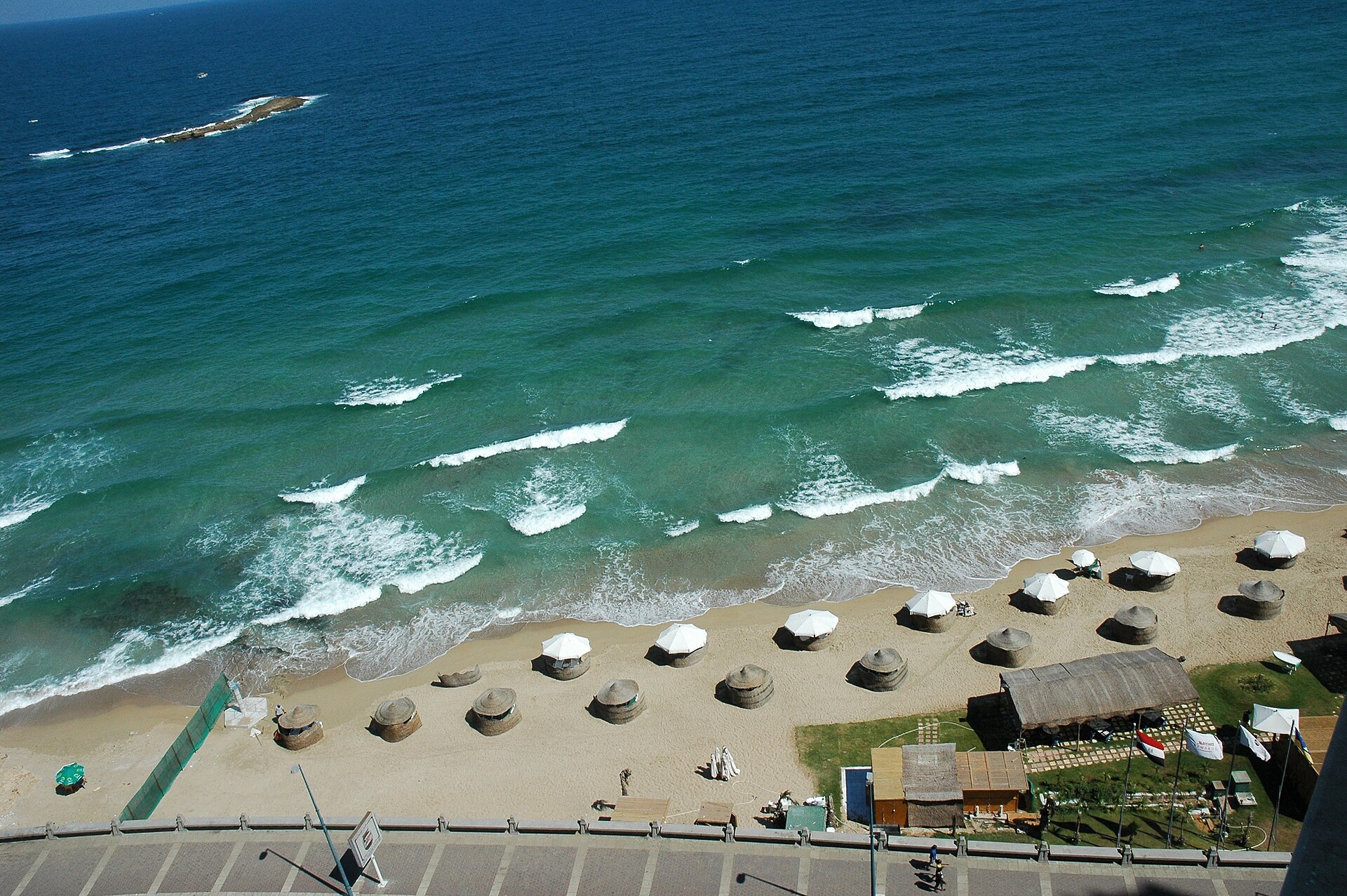
The Corniche in Alexandria is the city’s lifeline, where history and everyday life meet along the Mediterranean. It stretches for kilometers, linking old quarters with the modern, its wide sidewalks always busy. Locals walk past vendors selling fresh fruit and cold drinks, while visitors stand at the stone railings, watching waves hit the shore. The air carries the scent of salt and grilled corn, a sign of a city shaped by the sea.
The Corniche wasn’t always this way. In the early 1900s, this coast was a narrow strip of sand with fishermen’s huts and small cafés. As Alexandria grew, so did the need for a proper waterfront. By the 1930s, the city turned the shoreline into a promenade, building stone barriers to block storms and paving walkways for pedestrians. Over time, it became the heart of Alexandria—a place where people gather at dawn to watch the sunrise or stay until dusk, watching ships’ lights appear on the horizon.
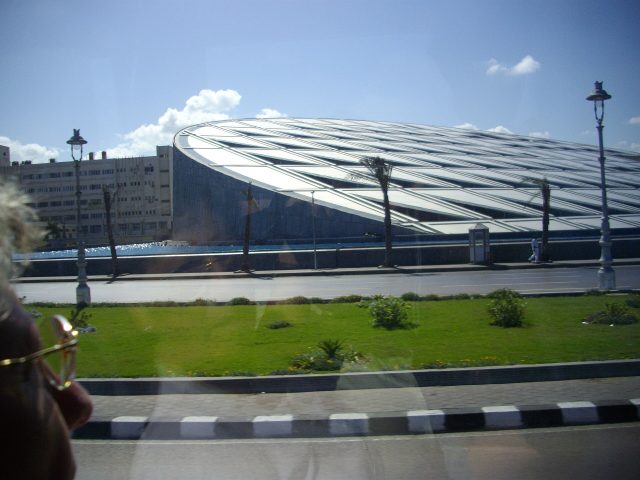
The architecture along the Corniche shows different eras. Ottoman-era villas with wooden balconies stand next to mid-century apartment blocks, their facades worn by salt and time. The Ras el-Tin district, with its colonial buildings, shows Alexandria under British rule. Newer hotels reflect sunlight off their glass. Some structures are crumbling, but that’s part of the Corniche’s feel. It’s a place where the past isn’t just preserved—it’s still here.
This is where Alexandria’s daily life unfolds. In the mornings, fishermen return with their catch, boats bobbing in the harbor as vendors set up seafood stalls. By midday, families fill the sidewalks, children running between ice cream carts while students argue under palm trees. In the evenings, laughter mixes with the sound of street food sizzling, lanterns glowing alongside anchored ships. On weekends, musicians play, and artists sketch portraits of passersby.
Saad Zaghloul Square is one of the most recognizable spots. A statue of the nationalist leader stands at its center, surrounded by fountains and benches. The square hosts gatherings, but on ordinary days, it’s a quiet spot away from the city’s noise. Nearby, the old port still buzzes, though fishing boats and tourist cruisers have replaced the grand ships of the past.
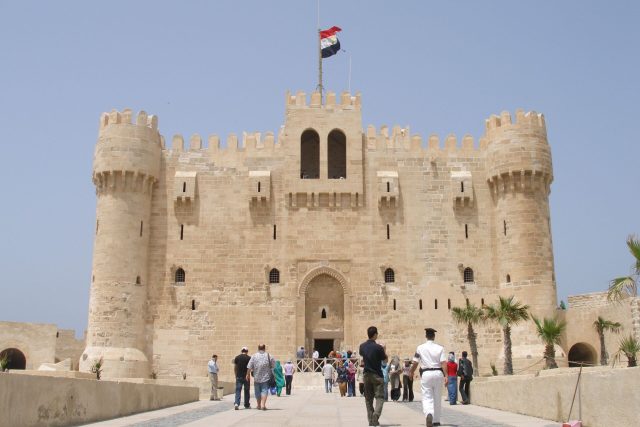
A short walk away is the Citadel of Qaitbay, a 15th-century fortress built where the Lighthouse of Alexandria once stood. The citadel sits on a small island connected by a causeway, its thick walls and cannons a reminder of the city’s strategic role. Inside, the views of the Mediterranean and Alexandria are clear, but the real draw is the history. This was once home to one of the Seven Wonders of the Ancient World, and though little remains of the lighthouse, the citadel keeps that connection alive.
Recent efforts to modernize the Corniche—new paving, better lighting, landscaped gardens—have met caution from locals. They fear too much change might erase what makes the promenade special: its simplicity, its layers of history, the way it feels lived-in. For now, the Corniche keeps its character, a place where past and present coexist without pretense. It’s not perfect, but that’s why it’s interesting—it shows Alexandria as it really is.
Walking the Corniche lets you see Egypt beyond the usual tourist spots. There are no luxury resorts here, no scripted hospitality. Instead, there’s the raw energy of a port city. You can sit on the seawall for hours, watching waves, or step into a tiny café where the menu is in Arabic. The food—ful medames, grilled shrimp—is simple and good. Not knowing the language might feel strange at first, but it’s part of the experience. Pointing at dishes or trusting the cook’s pick often leads to the best meals.
Alexandria is full of contrasts, and the Corniche shows that best. Here, wealth and simplicity sit side by side, history and modernity mix, and daily life drowns out the past. It’s not a place for quick photos or guided tours. To understand it, you have to slow down—lean on the railing, listen to the waves, breathe in the salt, and let the city show itself. That’s why locals and visitors keep coming back.