San Sebastián’s aquarium is one of those rare places where the city and the sea don’t just meet—they converse. Tucked at the edge of the old harbor, it feels less like a building and more like an extension of the coastline itself. The structure is unassuming, its stone facade blending into the rocks where fishing boats once sheltered. Step inside, though, and the ocean isn’t just something to observe; it’s something to experience.
The story of this place began over a century ago, when a group of locals decided to preserve the maritime heritage of a town that had always lived by the sea. In 1908, what started as a natural history museum grew from private collections into a space dedicated to the rhythms of the Bay of Biscay. By the mid-20th century, the first aquariums appeared, shifting the focus from preserved specimens to the living, breathing world beneath the waves. The sea, it turned out, was far more compelling when seen in motion—when light danced on scales and currents carried stories of their own.
Today, the aquarium doesn’t just house fish; it recreates entire ecosystems. The main hall centers around a vast ocean tank, where tuna, rays, and sharks glide through water that seems to stretch endlessly. A submerged tunnel cuts through the tank, letting visitors walk beneath the surface as if strolling along the seafloor. Other exhibits mimic the Cantabrian Sea’s diverse habitats: rocky shores draped in seaweed, sandy shallows hiding flatfish, even a shipwreck encrusted with barnacles. The details are precise, but the effect is immersive—less like a display and more like a glimpse into another world.
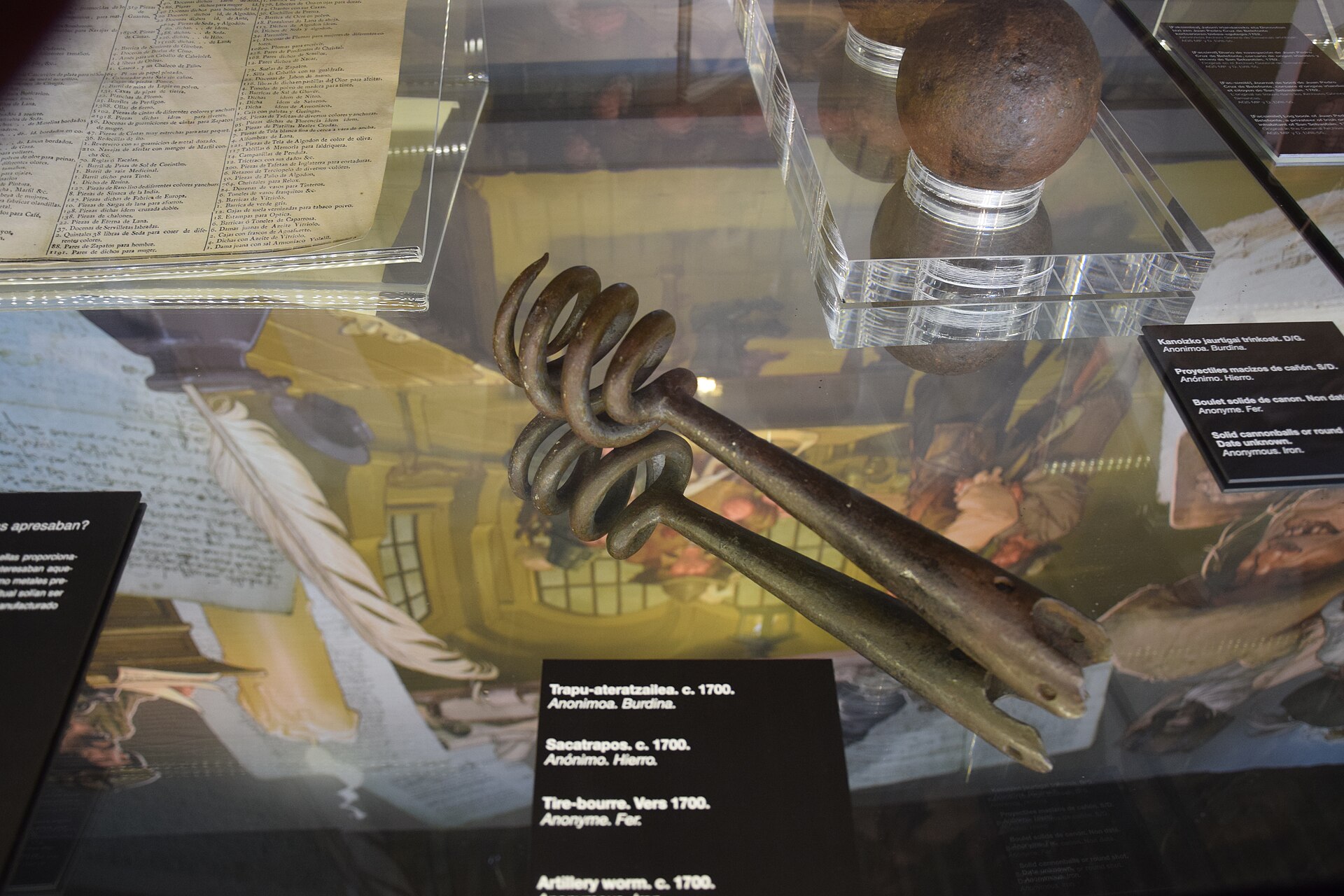
Yet the aquarium isn’t only about marine life. It’s also a quiet archive of the region’s seafaring past. Old nautical charts, ship models, and navigation tools trace the history of human exploration long before GPS. A reconstructed fishing boat, once a common sight in every coastal home, sits beside early 20th-century photographs of fishermen returning with their catch and the harbor crowded with vessels. These aren’t just relics; they’re reminders of how deeply the town’s identity was shaped by the water.
There’s no rush here, no flashy attractions or interactive gimmicks. The design invites stillness. Some rooms are hushed, the only sounds the murmur of water and the occasional murmur of visitors. Others hum with ambient music that mimics the rhythm of waves. In one corner, benches face tanks where jellyfish pulse like slow, glowing lanterns. Children press close to the glass, searching for crabs or seahorses, while adults often find themselves lingering just as long, lost in the quiet spectacle.
One of the most striking exhibits focuses on whales, creatures that still pass through the Cantabrian Sea. The display doesn’t lecture or alarm but instead offers a meditation on the ocean’s fragility. Photographs capture the giants in their migrations, while artifacts—plastic bottles, fishing nets, frayed ropes—recovered from their stomachs serve as stark reminders of human impact. It’s a sobering moment, but an important one, grounding the wonder of the sea in the reality of its challenges.
Outside, the aquarium barely announces itself. A small sign marks the entrance, and the building’s low profile keeps it from dominating the waterfront. But those who step inside often leave with the sense of having spent time not in a museum, but at the edge of the sea, seeing it anew. There’s no need to hurry, no pressure to document every moment. Sometimes, it’s enough to stand by a window, watch the light play on the water, and remember that the ocean is more than just a view—it’s a world with its own rules, its own mysteries. The aquarium doesn’t claim to know all the answers, but it does something just as valuable: it makes you pause and listen.