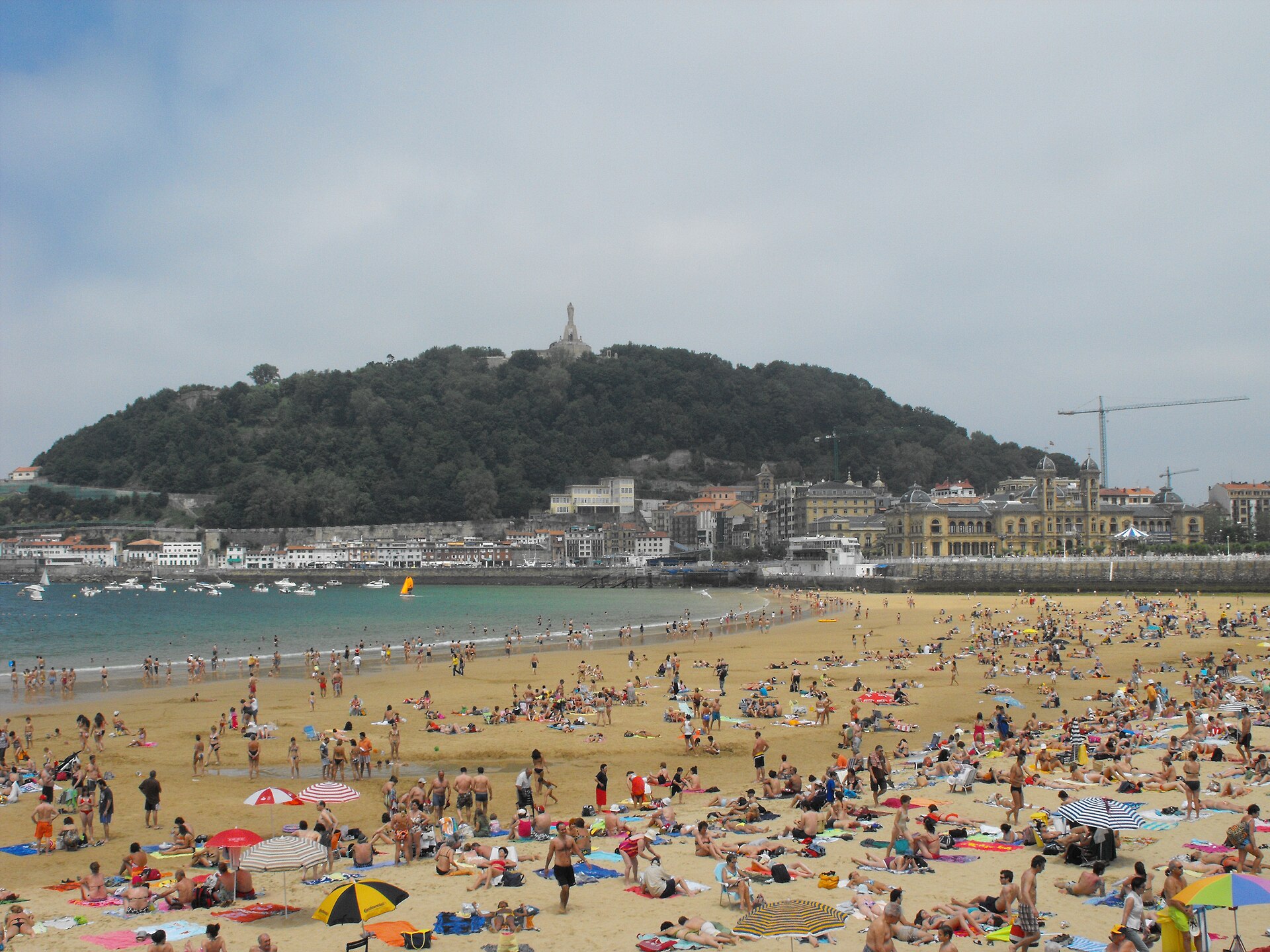
La Concha Beach is the kind of place that makes you pause, even if just for a moment, to take in the view. The crescent of golden sand curves gently around the bay, framed by low green hills that seem to cradle the water like a natural amphitheater. On clear days, the light plays off the surface of the sea in shifting shades of blue and turquoise, while the tiny island of Santa Clara sits just offshore, close enough to swim to if you’re feeling adventurous. The beach stretches nearly a mile and a half, which means that even in the height of summer, when the sand is dotted with sunbathers and the water hums with swimmers, there’s always a sense of space. It doesn’t feel crowded in the way some Mediterranean beaches do—just lively, in a way that feels natural.
The story of La Concha is tied to San Sebastián’s transformation from a quiet fishing village into one of Europe’s most elegant seaside resorts. In the mid-19th century, Queen Isabella II of Spain arrived to take the waters, a trend that soon caught on with the aristocracy and the rising bourgeoisie. What had once been a practical stretch of sand for fishing boats became a fashionable destination. By the early 20th century, the promenade was lined with Art Nouveau buildings, and the beach itself was equipped with wooden changing cabins, a few of which still stand today. The place evolved, but it never lost its charm—it simply grew into something more refined, a symbol of the city’s identity.
The promenade, Paseo de la Concha, is a work of art in its own right. The long, sweeping path follows the curve of the bay, its wrought-iron railings and Art Deco lampposts adding a touch of elegance to the scene. At one end stands the rotunda, a circular pavilion with columns that offers one of the best views of the bay. At the other, the former casino—built when gambling was all the rage among Europe’s elite—now houses a cultural center, though its grand architecture still hints at its glamorous past. Walking along the promenade, you get the sense that this place was designed not just for utility, but for pleasure.
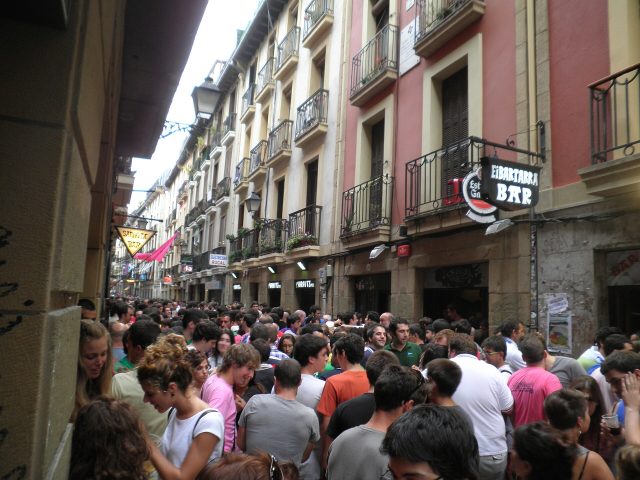
La Concha isn’t just a beach; it’s a stage for the rhythms of daily life. In the early morning, locals jog along the promenade, swim laps in the calm water, or stroll with their dogs. By midday, the sand fills with families, sunbathers, and groups of friends, but the atmosphere remains relaxed. Evenings bring a different energy—cafés and bars along the waterfront come alive with conversation and music, and the lights along the promenade reflect off the darkening water. There’s a sense of continuity here, as if the beach is a living part of the city, not just a seasonal attraction.
The water in La Concha is famously clear, thanks to the bay’s sheltered position and the currents that keep it clean. The gentle slope of the seabed makes it ideal for swimming, especially for families with children. But if you want a change of scenery, Santa Clara Island is just a short boat ride away. The island is small—you can walk around it in twenty minutes—but it has its own quiet charm, with a tiny beach, a café, and a lighthouse that offers a panoramic view of the bay. It’s the kind of place where you can spend an hour or two feeling like you’ve stepped into a different world.
For all its beauty, La Concha is also deeply rooted in Basque culture. In the summer, the beach hosts festivals, open-air concerts, and sporting events, from international beach volleyball tournaments to traditional boat races. Locals treat it as more than just a tourist spot—it’s a place where they gather, celebrate, and unwind. Even in the winter, when the crowds thin out, the promenade remains a popular spot for walks, bike rides, and quiet moments by the water. The beach is woven into the fabric of the city, a constant presence in the lives of those who live here.
What’s striking about La Concha is how it manages to feel both grand and intimate. There are no towering hotels or flashy resorts—just low-rise buildings nestled among trees, and narrow streets leading from the waterfront into the old town. The cafés and restaurants along the beach serve fresh seafood and Basque pintxos, and many stay open year-round, drawing locals and visitors alike. The food here is simple but excellent, the kind that makes you want to linger over a meal with a view of the bay.
The beach is at its most magical in the off-season. In autumn, the hills turn golden, and the light takes on a softer quality. In spring, the air is crisp, and the water sparkles under the sun. Even in winter, when the sea is too cold for swimming, the promenade remains one of the most beautiful spots in the city. There’s something about La Concha that feels timeless—it doesn’t matter what time of year it is, the place always has a way of drawing you in.
More than just a beach, La Concha is the heart of San Sebastián. It’s where history and modernity coexist, where nature and architecture come together in perfect harmony. It’s a place that reveals itself slowly, whether you’re swimming in the bay, walking along the promenade, or simply sitting at a café watching the world go by. And once you’ve been here, it’s easy to see why people keep coming back. La Concha isn’t just a destination—it’s an experience, one that stays with you long after you’ve left.