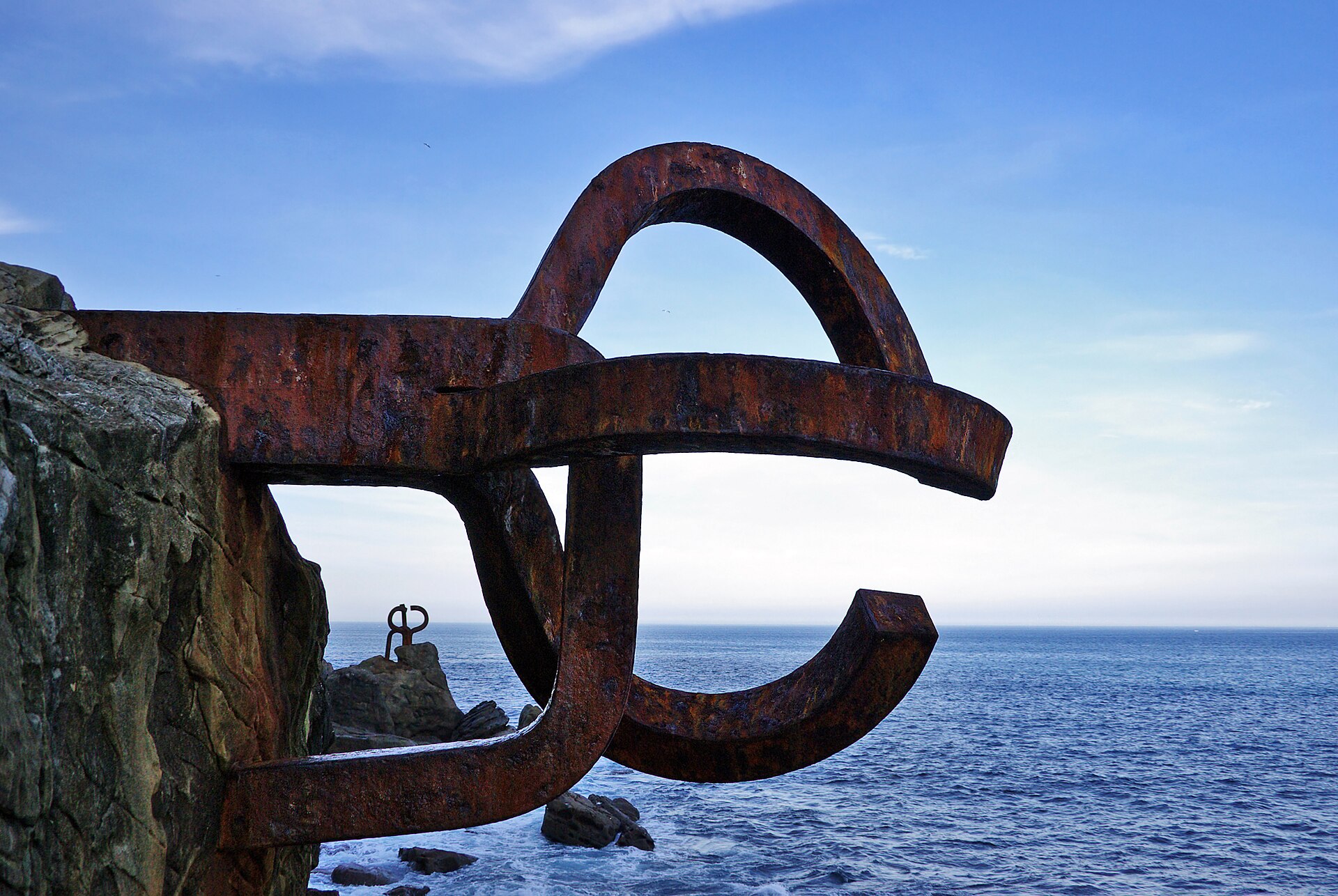
Perched on a rugged headland just outside San Sebastián, the Wind Comb is where steel meets wind and waves. It’s not a building, nor is it a sculpture for passive admiration. It’s something in between—three steel forms that move with the landscape, as if the elements shaped them.
The project started in the late 1970s, when the city wanted to reclaim a stretch of overlooked coastline. The cliffs were steep, the winds fierce, and the views unmatched. Eduardo Chillida, a Basque artist, was asked to create something that would make people stop and look—not just at the art, but at the place itself. He didn’t try to tame the land. Instead, he designed three steel pieces that seem to rise from the rock, as if they’ve always been there.
The first curves like a hook, anchored deep into the earth, holding the wind in its grip. The second arcs toward the sea, mirroring the rhythm of the waves. The third is sharp, cutting through the air like a blade. All are made of Corten steel, which rusts but doesn’t weaken. Over time, the metal takes on the colors of the cliffs and the ocean, blending into the landscape.
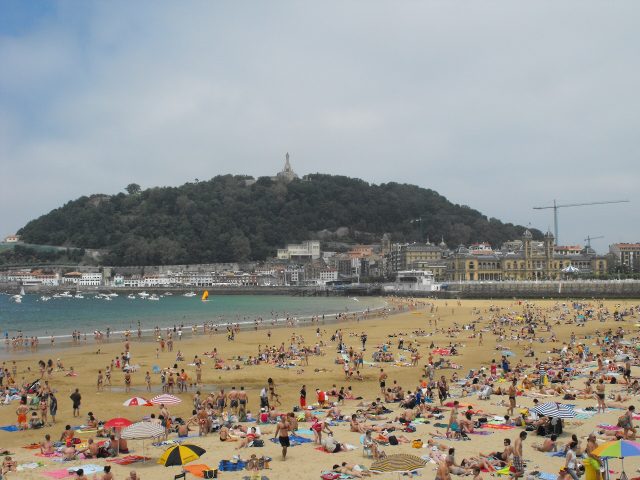
The walk there is part of the experience. The path follows the cliff’s edge, revealing San Sebastián’s red roofs, La Concha Bay, and then the Atlantic. On clear days, France’s coastline appears in the distance. When storms come, the waves hit the rocks so hard the ground trembles.
Chillida picked this spot because the cliffs are dramatic, the wind never stops, and the sea is always changing. His structures don’t fight the elements—they work with them. Stand on one of the platforms, and the wind wraps around the steel, humming like a low note. The metal seems to breathe, shifting with each gust.
People come here for different reasons. Locals escape the city’s noise. Tourists come for the views. Artists watch how light and shadow play across the steel. Even those who find it by accident often stay, as if the place slows time.
At first, not everyone understood the project. Some asked why the city would spend money on abstract steel instead of something practical. But over time, the Wind Comb proved its point. It didn’t need to be useful—it just needed to make people stop and think about the world around them.
There are no barriers, no signs telling you what to do. The only rule is the wind’s: you meet it on its terms. No shelter, no handrails—just the gusts pushing against you. It’s unsettling at first, but freeing. The place doesn’t tell you how to feel. It just gives you space to stand still.
Maybe that’s why people keep coming back. The Wind Comb doesn’t try to impress. It doesn’t have to. The wind, the sea, and the steel do that themselves. It’s a reminder that sometimes the most powerful moments come from paying attention to what’s already there.