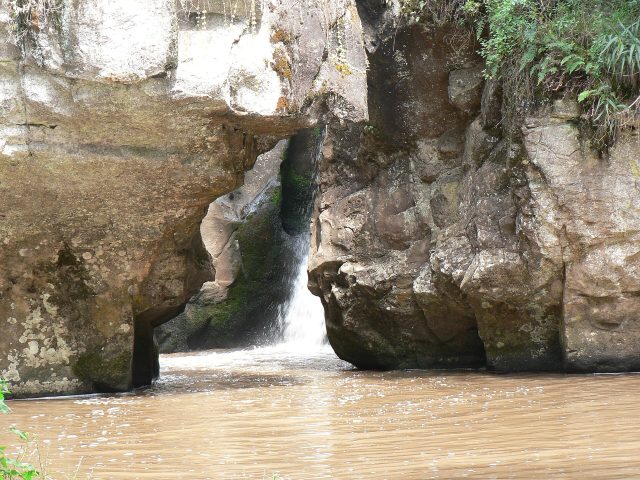
The Aberdare National Park is one of those places in Kenya where time seems to stand still. Tucked away in the central highlands, the Aberdare Range runs parallel to the Great Rift Valley, forming a world apart from the country’s more famous savannahs. There are no endless grasslands here, no vast herds of elephants gathering at watering holes like in Amboseli. Instead, the landscape is shaped by mist-shrouded peaks, dense forests, and waterfalls that plunge from dizzying heights before vanishing into thickets of bamboo. The park isn’t as well-known as Kenya’s other reserves, and that’s precisely what makes it special. Even if thousands have walked these trails before, the sense of discovery remains—like stepping into a place untouched by the outside world.
The Aberdare Mountains are more than just a scenic backdrop; they’re a vital watershed for the region. Rivers born in these forests feed the plains below, where antelope and zebra graze and farmers cultivate coffee and tea. The mountains themselves were formed millions of years ago by volcanic activity, their slopes now draped in layers of vegetation that shift with elevation. At lower altitudes, tropical forests dominate, giving way to dense bamboo higher up, and finally to heathlands near the summits—landscapes that wouldn’t look out of place in the Scottish Highlands. This diversity of habitats supports wildlife you won’t find elsewhere in Kenya: giant forest hogs, troops of baboons, elusive birds, and even leopards, though the latter tend to keep their distance.
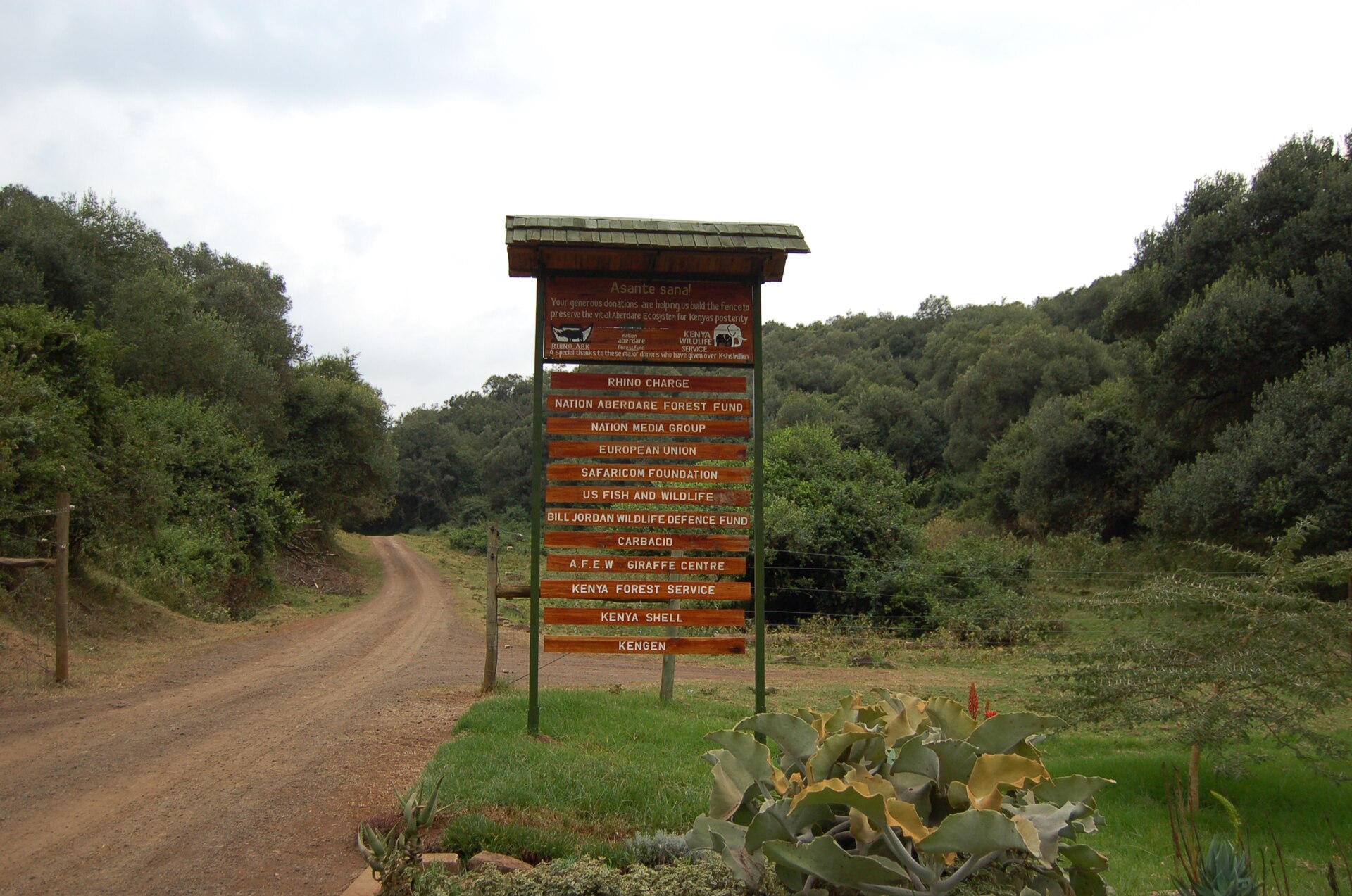
What sets Aberdare apart is the way you experience it. Unlike other parks where game drives are the only option, here you can observe wildlife from treehouse lodges or hotels perched on the mountainsides. The most famous of these is The Ark, a wooden structure that looks like a ship marooned in the forest. From its windows, you can watch elephants, buffalo, and rhinos visit a floodlit watering hole at night. The animals here behave differently than in more tourist-heavy parks—they’re wary, unpredictable, and every sighting feels like a rare privilege. After dark, the forest comes alive with sounds you won’t hear on the savannah: the calls of monkeys, the hoots of owls, and the occasional growl of a predator.
The park’s history is woven into Kenya’s own. In the early 20th century, these lands were a playground for British colonial hunters, who organized safaris for the elite. Aberdare was declared a national park in 1950, thanks in part to conservationists who recognized the value of its forests. During the Mau Mau uprising in the 1950s, the mountains became a hideout for rebels, and some of the caves they used still exist today. Now, the park serves as both a tourist destination and a research hub, where scientists study mountain forest ecosystems and rare species.
The weather in Aberdare is as changeable as the landscape. Mornings can be clear and sunny, only for thick mist to roll in by midday, lingering until evening. The higher altitude means cooler temperatures—rarely rising above twenty degrees Celsius, even at noon. The best time to visit is during the dry seasons, from June to September or January to February, when roads are passable and animals are more likely to gather at water sources. The rainy season makes the park harder to access, but it’s also when the forests are at their most vibrant, with swollen rivers and waterfalls roaring down the slopes.
For those who come here, Aberdare offers something beyond a typical safari. There are no crowds at the gates, no hours spent waiting for a glimpse of wildlife. Instead, there’s silence, broken only by birdsong and the rustle of leaves in the wind. You can spend a day wandering forest trails or hiking to a summit for views over the valleys and ridges beyond. Photographers will find endless inspiration in the misty scenery, the play of light through the trees, and the way animals seem to materialize out of nowhere.
Aberdare doesn’t try to impress with sheer scale or the sheer number of animals. What matters here is the atmosphere—the feeling that you’ve stepped into a place where nature still sets the rules. It’s not the kind of park where you’ll tick off every species on an African wildlife checklist, and that’s why it lingers in the memory. There’s no rush, no need to follow the crowd. Just you, the forest, and time moving at its own pace. Maybe that’s why those who visit once often find themselves returning.