Vladikavkaz
Russia · 14 places
Photo: Rartat, CC0
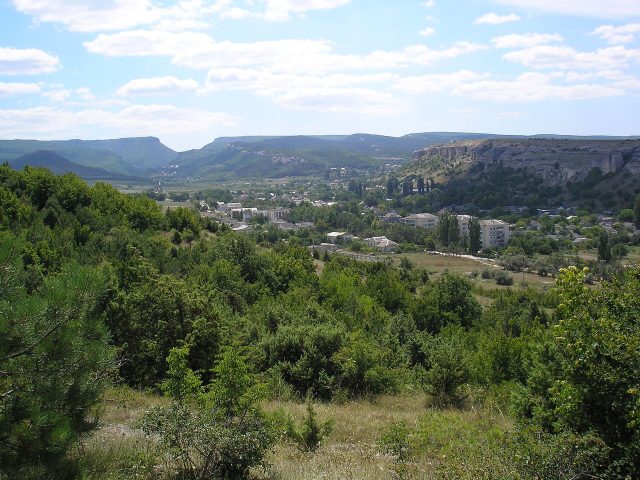
Vladikavkaz is where the Caucasus truly begins. The mountains here aren’t just a distant backdrop—they press in close, as if promising that around every bend lies something unexpected: a hidden gorge, a winding pass, or a village clinging to the cliffs. The city stretches along the Terek River, which isn’t just a waterway but a defining force—fast, restless, with steep banks where locals gather for picnics or cast their fishing lines. Unlike other Caucasian capitals, Vladikavkaz isn’t loud like Sochi, flashy like Grozny, or polished for tourists like Kislovodsk. It feels lived-in, unpretentious, with an air thick with the scent of wild herbs and charcoal smoke.
The city’s history is one of crossroads and collisions. Founded as a fortress in the late 18th century, it quickly became a vital outpost on the road to Georgia and a hub for trade between the mountains and the plains. The Georgian Military Highway passed through here, carrying silk, weapons, merchants, and exiles alike. Decembrists paused in Vladikavkaz, Pushkin passed through, and Lermontov even mentioned it in his notes. The city has seen wars, revolutions, and Soviet-era construction, yet it hasn’t fossilized into an open-air museum. It moves at its own pace—sometimes frenetic, sometimes slow—but always with the unmistakable edge of freedom that the mountains bring.
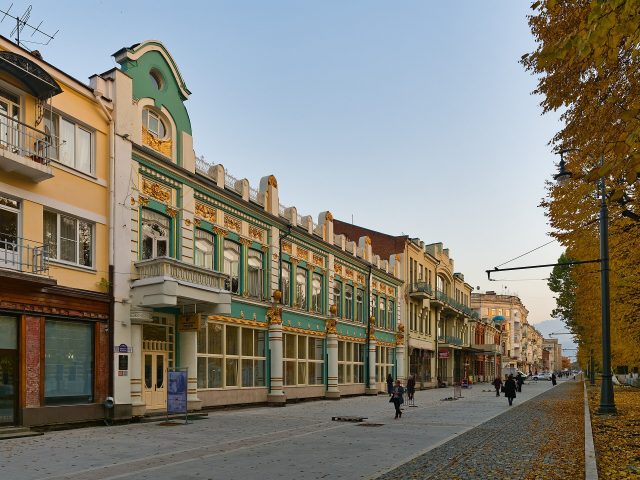
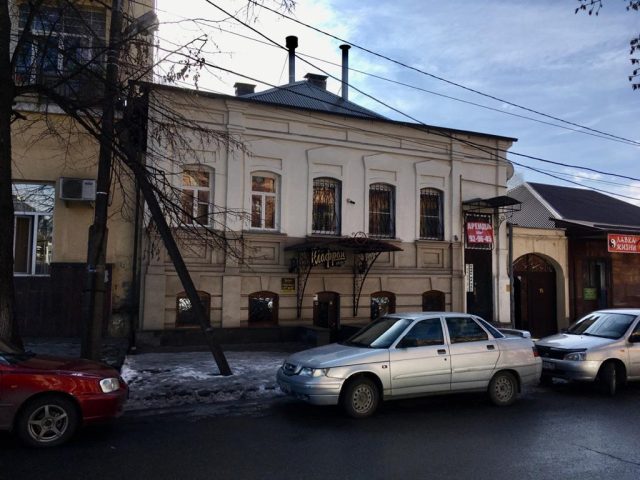
Architecture here is a patchwork of eras and influences, each neighborhood telling its own story. The city center still holds 19th-century merchant houses with intricate balconies and lace-like ironwork, remnants of a time when Vladikavkaz was wealthy and cosmopolitan. Soviet apartment blocks stand beside modern developments, while old mosques and churches share the streets with shopping centers. The main thoroughfare, Prospekt Mira, offers a European-style promenade with fountains, cafes, and boutiques, yet just a turn down a side street reveals a different side of the city: low-slung houses with walled gardens, elders playing backgammon on benches, and the quiet rhythm of daily life.
Food in Vladikavkaz is a world of its own. Restaurants and cafes serve dishes you won’t find elsewhere in Russia: Ossetian pies stuffed with everything from cheese to meat, fluffy *khychiny*, bean soup with smoked meats, and lamb kebabs grilled over charcoal. Then there’s the local beer, brewed to old recipes. But the real flavors come from home kitchens and family gatherings—cheese flatbreads, meat slow-cooked with quince, homemade sausages, and walnut jam. Markets overflow with fresh fruit, spices, dried herbs, and honey straight from the hive. If you’re lucky, you might even be invited into a home for a meal, where hospitality is as warm as the food is generous.
Vladikavkaz is also a gateway to the mountains. From here, routes lead to Kazbek, the Darial Gorge, glaciers, and high-altitude lakes. A short marshrutka ride can take you to a village where time seems to stand still, or you can ride a cable car up to a viewpoint overlooking the Greater Caucasus range. In summer, the area draws hikers and climbers; in winter, skiers; in spring and autumn, those seeking solitude among the peaks. But even without venturing far, the city itself offers plenty: a stroll along the Terek embankment, a visit to a local museum, or simply lingering in a park with coffee, watching life unfold at its own unhurried pace.
See & Do
14 places







Places on the map
Marker colour follows the categoryClimate and weather
Detailed weather: Vladikavkaz- Average temperature
- 11 °C
- Precipitation per year
- 910 mm
- Sunshine hours per day
- 5.5 h
Average air temperature
°C
-1
1
5
12
16
20
22
23
17
11
5
1
Jan
Feb
Mar
Apr
May
Jun
Jul
Aug
Sep
Oct
Nov
Dec