
Thessaloniki
Greece · 10 places
Photo: Salonica84 at English Wikipedia, Public domain
Thessaloniki doesn’t announce itself with grand monuments or polished tourist brochures. It exists—loud, unapologetic, and alive. While Athens dazzles with ruins and the islands sell sunsets, Thessaloniki offers something else: a city that breathes without trying to impress. Fishermen unload their catch at dawn, old women sell homemade cheese from baskets in the market, and students pack the cafés until early hours. There’s no performance, no curated experience—just the rhythm of a place that has absorbed empires, cultures, and generations.
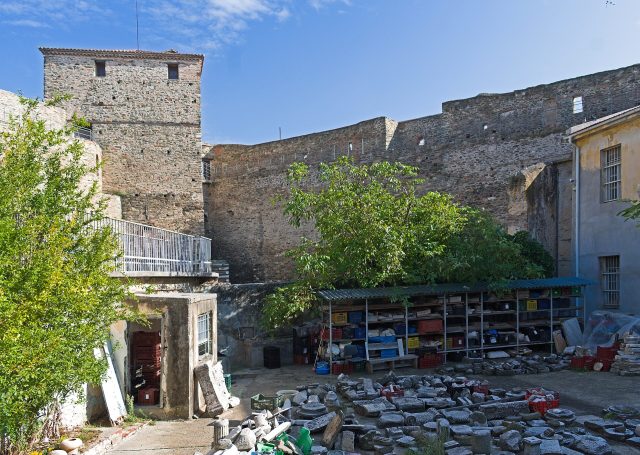
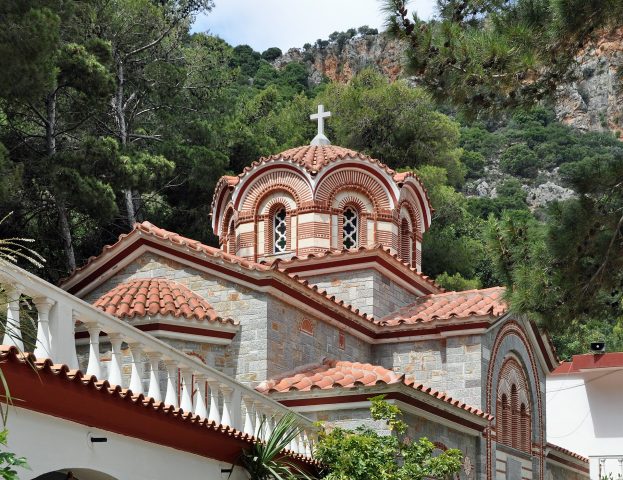
The city’s architecture records that history. Byzantine churches with gold-leaf mosaics stand beside Ottoman mosques and hammams. Their domes and minarets rise above mid-20th-century apartment blocks. Walk through Ano Poli, the old upper town, and centuries collapse into one another. Narrow cobblestone streets wind past houses with wooden balconies, their shutters painted in faded blues and greens. The air carries the scent of jasmine and coffee from open windows where elderly residents watch the world go by. Climb the ancient walls of the Heptapyrgion fortress, and the view stretches over the Thermaic Gulf. Ferries cut through the water toward the Aegean. The panorama has changed little in centuries, though the city below has reinvented itself again and again.
Food here is a way of life. Mornings begin with bougatsa—flaky phyllo pastry stuffed with custard or cheese—washed down with thick Greek coffee. By midday, waterfront tavernas grill fresh sardines and sea bream. Their smoke mingles with the salt air. Evenings bring meze: small plates of marinated olives, grilled octopus, fried zucchini balls, and spicy sausage. Each dish is meant to be lingered over with ouzo or local wine.
The Modiano Market is where this food culture feels alive. A labyrinth of stalls sells spices, cured meats, and barrels of olives. Vendors hawk their goods with enthusiasm. Haggling is half the fun; flavors are the other half.
Thessaloniki isn’t just a museum of the past. It refuses to wind down. In summer, the waterfront becomes an open-air festival. Music spills from bars, couples dance on the promenade, and families stroll until late. Winter shifts the energy indoors. Cafés and bars hum with conversation about politics, football, and neighborhood gossip.
There’s no divide between tourist spots and local haunts. The same taverna might be packed with visitors at lunch and regulars at dinner. The same square could host a protest one day and a street market the next. This fluidity gives the city its vitality. Anything could happen at any moment.
Thessaloniki doesn’t bother with perfection. Streets are chaotic, traffic relentless, sidewalks occasionally crumbling. But that’s what makes it feel real. It’s a city conquered, rebuilt, and reinvented so many times it no longer cares about appearances. The charm lies in the cracks—the peeling paint on a neoclassical building, the stray cat napping in a doorway, the waiter who refills your wine without asking. If you want to experience Greece without the filter, this is where you’ll find it: not in postcards, but in the stubbornly authentic life of a city that has always been more than its parts.
See & Do
10 places




Places on the map
Marker colour follows the categoryClimate and weather
Detailed weather: Thessaloniki- Average temperature
- 17 °C
- Precipitation per year
- 466 mm
- Sunshine hours per day
- 7.4 h
Average air temperature
°C
6
9
11
15
20
25
28
27
23
17
13
9
Jan
Feb
Mar
Apr
May
Jun
Jul
Aug
Sep
Oct
Nov
Dec


