Thessaloniki has always been a city where layers of history settle like sediment, each era leaving its mark on the streets, the walls, the very air. The Museum of Byzantine Culture is where those layers are carefully peeled back, not to reveal some distant, dusty past, but something far more alive. This isn’t just a collection of relics—it’s a place where the daily rhythms of an empire that shaped half the known world still hum beneath the surface. Thessaloniki itself, founded in 315 BC and later the second city of Byzantium after Constantinople, was never just a place on a map. It was a crossroads, a melting pot, a stage where empires rose and fell, where traders, scholars, and pilgrims passed through, leaving behind fragments of their lives. The museum gathers those fragments and weaves them into something tangible.
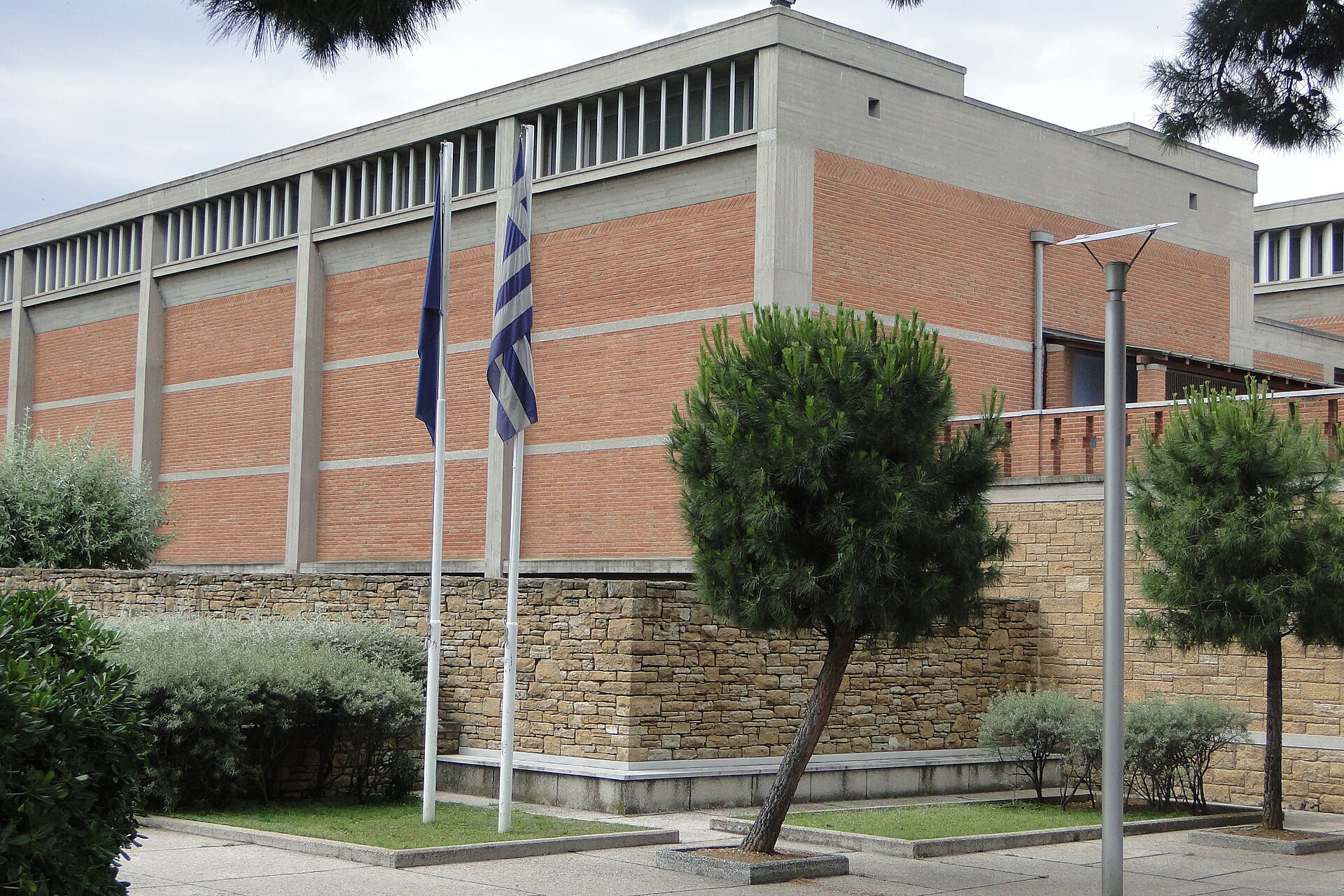
The building itself is a quiet statement. Designed with a modern, understated elegance, it doesn’t compete with the history it houses. Instead, its clean lines, high ceilings, and soft, natural light create a space where the past can breathe. There’s no jostling for room here, no cramped corridors or cluttered displays. The layout is thoughtful, almost meditative, inviting visitors to linger rather than rush. It’s the kind of museum where you might find yourself standing in front of a single artifact for minutes, not because you’re lost in thought, but because the object itself seems to demand it—a wooden comb, a child’s toy, a fragment of a mosaic where the eyes of a saint still seem to follow you.
The collection spans over a thousand years, from the early Christian period to the fall of Byzantium, and it’s striking how much of it feels intimate. There are the grand pieces, of course—the icons, the gold-embroidered textiles, the intricately carved marble—but it’s the everyday items that often leave the deepest impression. A clay lamp that once flickered in a humble home, a bronze coin passed between merchants, a simple terracotta doll that might have been a child’s favorite toy. These objects don’t just represent history; they carry the weight of real lives. Then there are the darker reminders: tombstones with worn inscriptions, their messages faded but still legible, offering glimpses into the hopes and sorrows of people long gone.
The museum’s collection of mosaics is particularly remarkable. Byzantine artisans elevated this art form to something almost alchemical, and the pieces here trace its evolution over centuries. Early mosaics are stark and symbolic, their figures rigid with religious reverence. Later works grow more dynamic, with shimmering gold backgrounds and figures that seem to move in the light. Some of the most haunting fragments come from churches that no longer exist, their saints and angels preserved here like echoes of a lost world. Standing before them, it’s easy to forget the passage of time—they feel immediate, as if the artists had just stepped away from their work.
What makes the museum truly special, though, is its refusal to present Byzantium as a monolith. This was an empire of contradictions: vast and bureaucratic, yet deeply personal; devout and superstitious, yet open to the influences of the cultures it absorbed. The exhibits don’t shy away from those complexities. You’ll see how Christian iconography borrowed from pagan traditions, how imperial coins carried both the image of the emperor and the cross, how churches incorporated Roman arches and Middle Eastern motifs. Byzantium wasn’t just a bridge between East and West—it was a place where those worlds collided and coalesced, and the museum captures that tension beautifully.
Beyond the permanent collection, the museum is a living institution. Temporary exhibitions dive into specific themes—Byzantine fashion, the role of women in the empire, the spread of monasticism—and there are workshops where visitors can try their hand at mosaic-making or manuscript illumination. The library holds rare texts and archives for those who want to dig deeper, and the museum’s research programs ensure that the study of Byzantium remains vibrant. It’s a place where history isn’t just preserved; it’s actively engaged with, questioned, and reinterpreted.
Walking through the galleries, it’s impossible not to feel the weight of time—not as something abstract, but as a force that shaped real lives. The objects here weren’t just made; they were used, cherished, mourned over, forgotten, and then rediscovered. A cracked ceramic bowl might have held a family’s dinner a thousand years ago. A tarnished silver ring could have been a bride’s dowry. These aren’t just artifacts; they’re silent witnesses to the joys and struggles of ordinary people. And in that way, the museum does something rare: it makes the past feel not just accessible, but strangely familiar.
Thessaloniki has always been a city of many voices, and the Museum of Byzantine Culture gives those voices room to speak. It doesn’t just tell the story of an empire—it shows how that empire was lived, how its people prayed, worked, celebrated, and mourned. The exhibits don’t offer easy answers, but they do something better: they invite you to sit with the questions, to wonder about the hands that held these objects, the eyes that gazed upon these mosaics, the lives that unfolded in the shadow of an empire that once seemed eternal. In the end, that’s what makes the museum more than just a repository of the past. It’s a reminder that history isn’t something that happened to other people—it’s something we’re all still a part of.