- Home
- Saudi Arabia
- Tarut Island

Tarut Island
Saudi Arabia · 7 places
Photo: Ibbama11, CC BY-SA 4.0
Tārūt is one of those places that doesn’t demand attention, and that’s precisely what makes it special. Tucked away on its own island in the Persian Gulf, it feels suspended in time, where life moves at the unhurried pace of the tides. There are no towering skyscrapers, no glittering shopping districts, no crowds of tourists—just layers of history and an atmosphere where Arab traditions blend seamlessly with the quiet romance of the sea.
The island hasn’t always been part of Saudi Arabia. Long before it was, it belonged to neighboring lands, and even earlier, it thrived as a key trading post between Mesopotamia and India. Locals still speak with pride about their ancestors—pearl divers, spice merchants, and shipbuilders who crafted the wooden dhows that still bob in the harbor today. At the heart of the town stands an old Portuguese fortress, built in the 16th century. Its weathered walls have witnessed countless battles, but now the only sounds are the wind whispering through empty courtyards and the occasional visitor tracing their fingers over rusted cannons.
Life here follows the rhythm of the sea. Mornings begin with prayer, then fishermen set out in their boats while shopkeepers open their stalls along the narrow streets of the old town. There’s no rush, no anonymity—people know each other by name, stopping to chat over tiny cups of cardamom-spiced coffee or fresh dates. In the evenings, families gather along the waterfront, listening to the waves and watching the sun dip below the horizon. It’s as if time here moves to its own rules, untouched by the outside world.
For all its quiet charm, Tārūt has its surprises. The local market isn’t just about fresh fish and spices—it’s also where you’ll find intricate silverwork and coral jewelry, handcrafted by artisans using techniques passed down through generations. There’s a small museum, too, filled with artifacts unearthed on the island, from ancient coins to pottery dating back to the Dilmun civilization. It’s not a grand collection, but that’s the point: history here isn’t locked behind glass. It’s in the stones underfoot, in the stories of the people, in the way the past lingers in the air.
If you find yourself in Tārūt, don’t hurry. Stroll along the waterfront, step inside the old mosque, try the grilled fish served straight from the coals. Sit by the shore and watch the sea stretch endlessly before you. There are no tourist traps, no guided itineraries—just the quiet authenticity of a place that hasn’t changed much in centuries. It won’t be the kind of destination you brag about, but it might just be the one that stays with you, a quiet corner of the world where life moves at its own gentle pace.
See & Do
7 places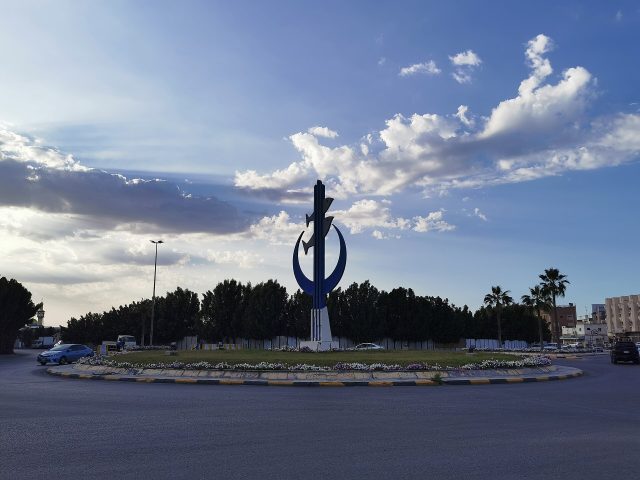
Places on the map
Marker colour follows the categoryClimate and weather
Detailed weather: Tarut Island- Average temperature
- 27 °C
- Precipitation per year
- 90 mm
Average air temperature
°C
16
18
22
27
33
36
37
37
34
29
22
18
Jan
Feb
Mar
Apr
May
Jun
Jul
Aug
Sep
Oct
Nov
Dec


