- Home
- Lake Malawi
- Karonga

Karonga
Lake Malawi · 3 places
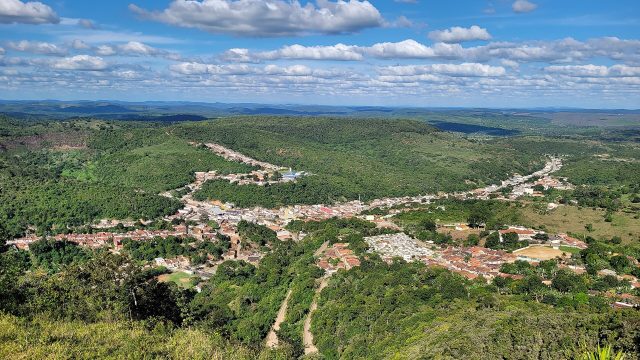
Photo: Swathi Sridharan, CC BY-SA 2.0
Karonga
Karonga sits quietly along the shores of Lake Malawi, a place where the rhythm of life moves with the water. There are no crowded streets here, just the sound of waves lapping against the sand and the occasional cry of birds circling overhead. The lake shifts in color throughout the day, from deep blue in the morning to soft turquoise by afternoon, and the locals call it the gateway to the north—a place travelers often pass through on their way in or out of the country.
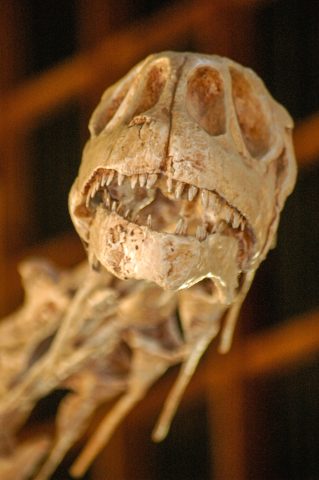
The town carries traces of its past in the old buildings near the port. These structures date back to a time when Arab traders dealt in ivory and slaves, and European missionaries and colonizers later settled here. History feels close in Karonga, especially at the small museum where the bones of the Malawisaurus—a dinosaur discovered nearby—are displayed.
Life here revolves around the lake. Fishermen set out at dawn in wooden boats, returning by midday with their catch, which sells quickly at the market. Women in bright fabrics balance baskets of mangoes and maize on their heads, while children play along the shore. On weekends, families and friends gather by the water, talking, laughing, and watching the sunset.
The lake isn’t just a backdrop—it’s the heartbeat of the town.
Travelers come for the simplicity: the smell of grilled fish, the sound of waves, the way conversations stretch into the evening under a sky full of stars. Walk along the waterfront, where the air is thick with the scent of spices and fresh catch. Stop by the market to try chibuku, the local beer—thick, slightly sour, and best enjoyed slowly. Or just sit on the sand and watch the sun dip below the horizon, turning the water into a canvas of pinks and oranges.
Sometimes, the best trips are the ones where there’s nowhere to rush.
See & Do
All of them

Places on the map
Marker colour follows the categoryClimate and weather
Detailed weather: Karonga- Average temperature
- 24 °C
- Precipitation per year
- 1088 mm
Average air temperature
°C
25
25
24
24
23
21
21
22
25
27
28
26
Jan
Feb
Mar
Apr
May
Jun
Jul
Aug
Sep
Oct
Nov
Dec