Sighișoara
Romania · 3 places
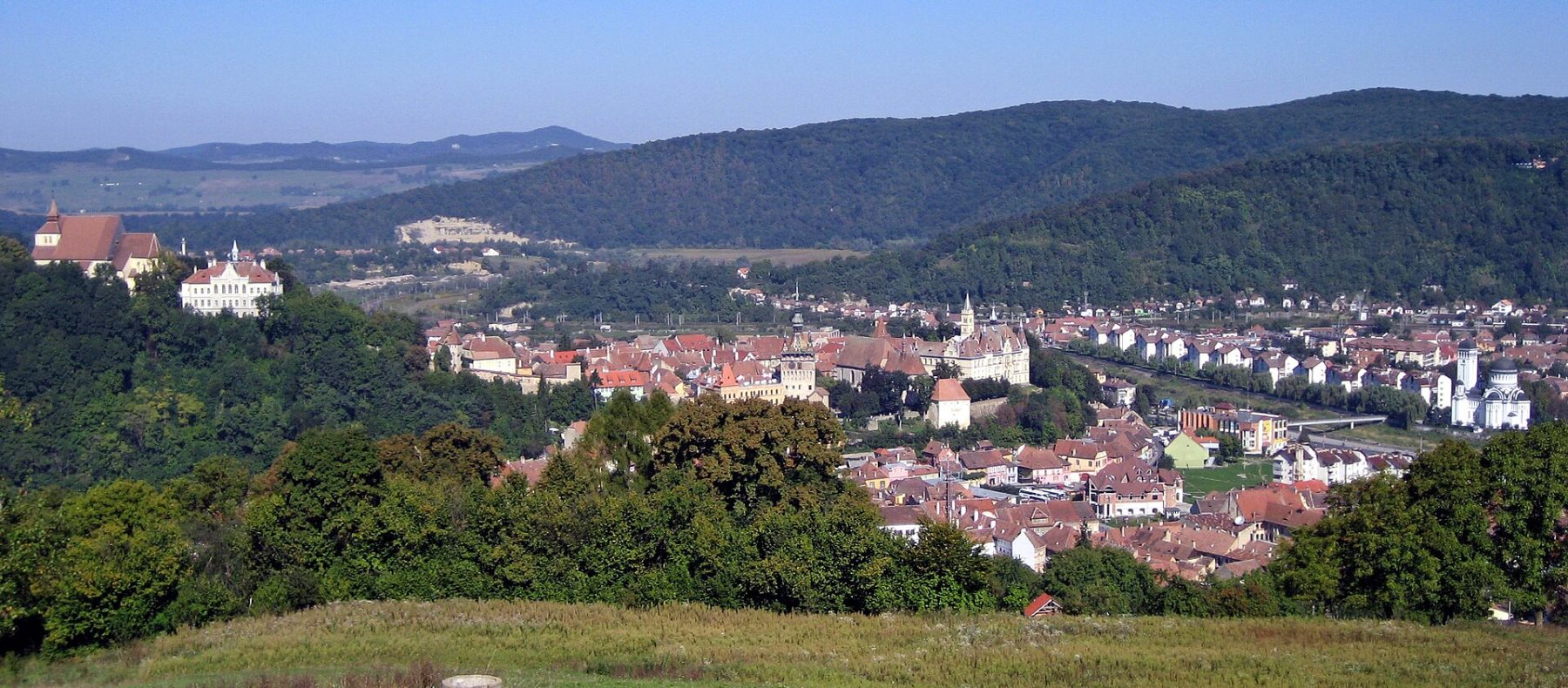
Photo: Marion Schneider & Christoph Aistleitner, Public domain
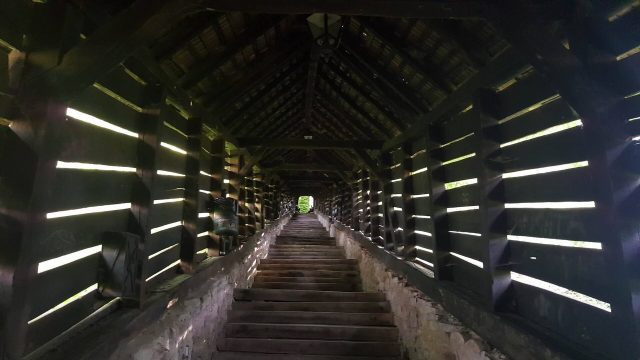
Perched on a hill above the Târnava Mare River, Sighișoara feels like a place where time has simply decided to take a breath. The medieval citadel at its heart hasn’t just survived the centuries—it’s thrived, its narrow lanes and steep staircases winding past houses with red-tiled roofs and pastel facades that look as if they were painted yesterday. There’s no grand spectacle here, no overcrowded tourist traps, just the quiet persistence of a town that has carried its history lightly, as if it were something lived rather than displayed.
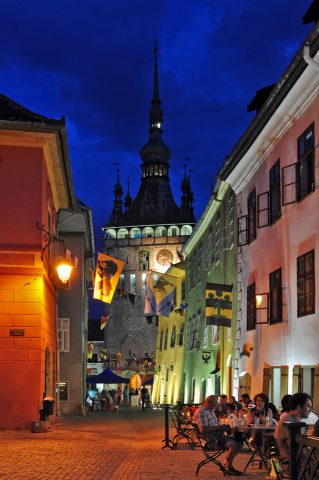
This is the birthplace of Vlad the Impaler, the historical figure who inspired Dracula, and the house where he was born in the 15th century still stands on the main square. It’s now a museum, though you don’t need to step inside to feel the weight of the past—the entire citadel, built in the 14th century, does that for you. Nine of its original towers still stand, each once belonging to a different guild, their sturdy stone silhouettes a reminder of the craftsmen who shaped the town. The Clock Tower, the tallest of them, offers a view over the rooftops and the rolling hills beyond, a panorama that has changed little over the centuries.
Life in Sighișoara moves at its own unhurried pace. Mornings begin with the scent of fresh bread and smoked meats at the market, where locals trade stories as easily as they trade goods. By evening, the cafés fill with the murmur of conversation, the clink of glasses, and the occasional burst of laughter as the sun dips behind the fortress walls. The town’s most famous event, the Medieval Festival, transforms the streets for a few days each summer, filling them with musicians, artisans, and jousting knights. But even without the festival, the town retains its charm—there’s no rush, no need to chase experiences, just the quiet promise of discovery around every corner.
Beyond the citadel, the surrounding hills are a patchwork of vineyards and forests, their slopes dotted with villages where life still follows old rhythms. The people here speak of their traditions with pride, whether it’s the making of plum brandy or the weaving of intricate textiles. From the town’s viewpoints, the landscape stretches out in layers of green and gold, a scene that has remained largely unchanged for generations. Sighișoara isn’t just a place to visit; it’s a place to step into, where history isn’t something you read about but something you walk through, one cobblestone at a time.
See & Do
3 places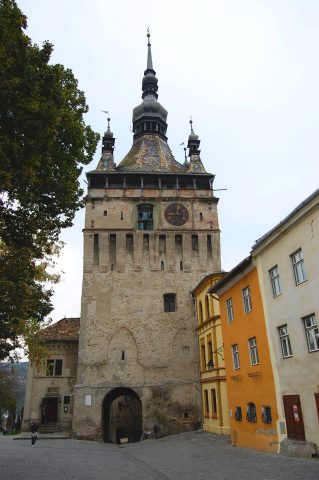
Places on the map
Marker colour follows the categoryClimate and weather
Detailed weather: Sighișoara- Average temperature
- 10 °C
- Precipitation per year
- 734 mm
- Average humidity
- 75 %
- Sunshine hours per day
- 8.7 h
- Time zone
- UTC+3 (GMT+3)
Average air temperature
°C
1
1
6
10
14
20
21
21
17
10
5
1
Jan
Feb
Mar
Apr
May
Jun
Jul
Aug
Sep
Oct
Nov
Dec


