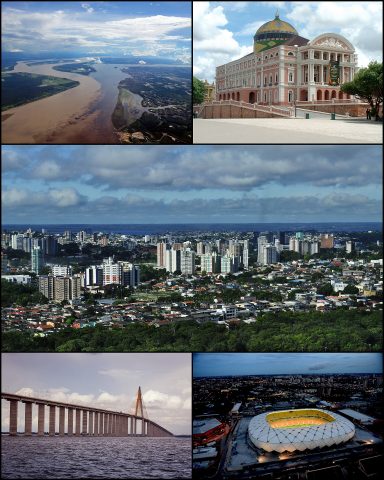
Owo
Nigeria · 8 places
Photo: Covenantdigitalimagery, CC BY-SA 4.0
Owo sits quietly in southwestern Nigeria, a place most travelers overlook. There are no crowded markets selling trinkets, no guides shouting over each other to offer tours, no sense of being hurried along by someone else’s itinerary. Instead, the city moves at its own pace—dusty streets where children kick makeshift soccer balls, women arrange pyramids of mangoes and chili peppers at roadside stalls, and elders watch the day unfold from wooden stools outside their homes. The rhythm here is different from Lagos or Abuja, slower in a way that feels deliberate, as if time itself has settled into the shade of the mango trees.
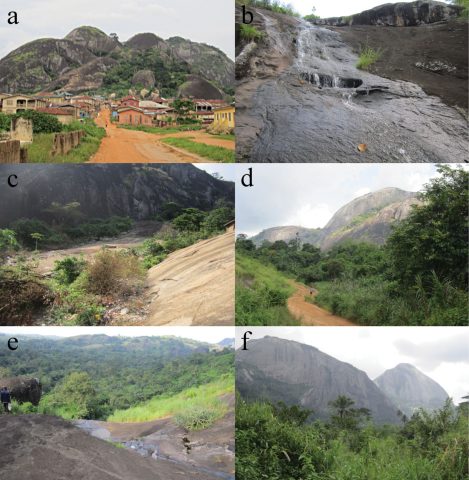
The land around Owo is generous. The city lies in Ogun State, where the savanna softens into patches of tropical forest, and the soil yields cocoa, oil palms, and rubber in abundance. During the rainy season, the countryside turns lush, the air thick with the scent of damp earth and blossoming trees. Locals will tell you this is some of the best cocoa country in Nigeria, though few here have ever tasted the chocolate it becomes—processing happens far away, in factories near the coast. The real value of the harvest isn’t in exports but in the way it shapes daily life: the cycle of planting and picking, the pride in a good yield, the way families gather to share the work.
Owo doesn’t have grand monuments or ancient ruins, but its history is woven into the fabric of the place. Founded in the late 1800s as a trading post, it once connected inland communities to the coast, a stop for caravans carrying goods between Yoruba kingdoms. Today, that past lingers in the names of streets, in the way older buildings lean slightly with age, in the stories passed down through generations. History here isn’t something preserved in museums; it’s alive in the way people speak, in the festivals they keep, in the unspoken understanding of who they are and where they come from.
Life in Owo unfolds without hurry. Neighbors drop by unannounced, conversations stretch over cups of tea, and celebrations spill into the streets with drumming and dancing. Festivals like Ogun, honoring the god of iron and war, are more than spectacle—they’re a way of remembering, of staying connected to the land and the ancestors. To outsiders, it might look like something out of a travel brochure, but for those who live here, it’s simply how things are. There’s no need to explain or perform; the traditions exist because they always have.
This isn’t a place that tries to impress visitors. There are no luxury hotels, no restaurants with menus in five languages, no carefully curated experiences. What Owo offers instead is something rarer: a chance to step into a life that hasn’t been packaged for tourists. You might spend an afternoon watching women weave cloth under the shade of a tree, or share a meal of spicy fish stew and fried plantains with a family who insists you stay longer. The food is simple but rich—thick corn porridges, stews simmered with local spices, palm wine that tastes faintly of the earth. The hospitality isn’t polished, but it’s genuine, the kind that doesn’t come with a price tag.
If you come here expecting grand sights, you’ll leave disappointed. But if you’re willing to slow down, to listen and observe, Owo reveals itself in small moments: the way the light slants through the trees at dusk, the laughter of children playing in an open field, the quiet pride of a farmer showing you his cocoa trees. It’s not the kind of place you visit for a checklist of attractions. It’s the kind of place where you realize, after a few days, that the most interesting thing about it was never meant to be seen—only felt.
See & Do
8 places
Places on the map
Marker colour follows the categoryClimate and weather
Detailed weather: Owo- Average temperature
- 26 °C
- Precipitation per year
- 1228 mm
Average air temperature
°C
26
28
27
27
26
25
24
24
24
25
26
26
Jan
Feb
Mar
Apr
May
Jun
Jul
Aug
Sep
Oct
Nov
Dec