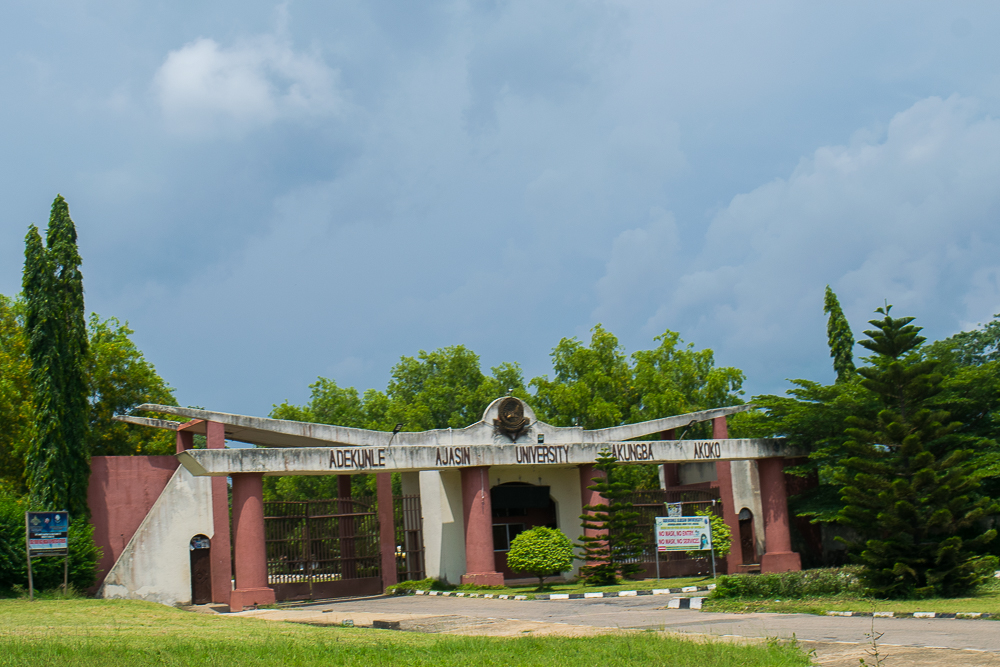
Adekunle Ajasin University is one of those places in Nigeria where history, education, and daily life blend so seamlessly that you feel it the moment you step onto its grounds. Located in the town of Owo, in Ondo State, the university carries the name of a prominent Nigerian politician and independence advocate whose legacy continues to inspire not just students but anyone with an interest in the country’s past. Originally established in 1982 as a campus of the University of Lagos, it later became an independent institution and has since grown into one of Nigeria’s leading universities, particularly known for its strong programs in the humanities and social sciences.
The campus sprawls across a generous expanse of land, where modern buildings stand alongside stretches of untouched greenery. There’s no rush of a big city here, nor is it the quiet of a remote village—it’s something in between, a steady rhythm of academic life where lectures, discussions, and student initiatives fill the days. The architecture isn’t grand or imposing, but it has its own quiet harmony. Functional lecture halls, libraries, dormitories, and sports facilities are arranged thoughtfully, making everything accessible without feeling cramped.
The university library holds a special place in campus life, serving not just as a repository of books but as a hub of intellectual activity. It houses rare editions on Nigerian history, African literature, and political science, alongside contemporary academic journals. For many students, the library becomes a second home, especially during exam periods when the reading rooms hum with focused energy. It’s also a venue for public lectures, seminars, and talks by visiting scholars and public figures, making it a lively space for exchange beyond the classroom.
Beyond academics, Adekunle Ajasin University is known for its vibrant student life. Numerous clubs and organizations thrive here, from literary societies to sports teams. Debates and cultural festivals are particularly popular, offering students a chance to showcase their talents in music, dance, and theater. These events do more than entertain—they bring together young people from across Nigeria, fostering a sense of community and shared purpose.
Though Owo is a small town, the university plays a significant role in its daily life. Locals often visit the campus to stroll along its paths, attend sporting events, or simply enjoy the peaceful surroundings. For many students, this is their first taste of independent living, where lessons extend beyond the classroom into the rhythms of daily interaction. It’s a place where friendships form easily, where like-minded people find each other, and where time spent in good company feels natural.
The university’s history is closely tied to Nigeria’s post-independence educational expansion. In the 1980s, the country invested heavily in creating new institutions, and Adekunle Ajasin University became one of the symbols of that era. Its founders aimed not just to educate but to cultivate a generation capable of contributing to the nation’s growth. Today, many of its alumni hold influential positions in government, business, and the arts, carrying forward the values instilled in the university’s early years.
The campus has a life of its own, yet it remains open to anyone curious about Nigerian education and culture. There are no strict barriers to entry, and visitors are welcome to explore the grounds, visit the university museum, or simply relax on a bench under the shade of a tree. For those interested in Nigeria’s history, the university offers a unique glimpse into how knowledge and ideas are passed down, shaping the country’s future.
Time moves slowly at Adekunle Ajasin University, but that doesn’t mean nothing happens here. On the contrary, each day is filled with activity—lectures, seminars, sports practices, theater rehearsals—all contributing to an atmosphere where learning and creativity go hand in hand. For many students, the years spent here become some of the most memorable, and the university itself becomes a place they return to long after graduation.