Malorechenskoye
Russia · 8 places
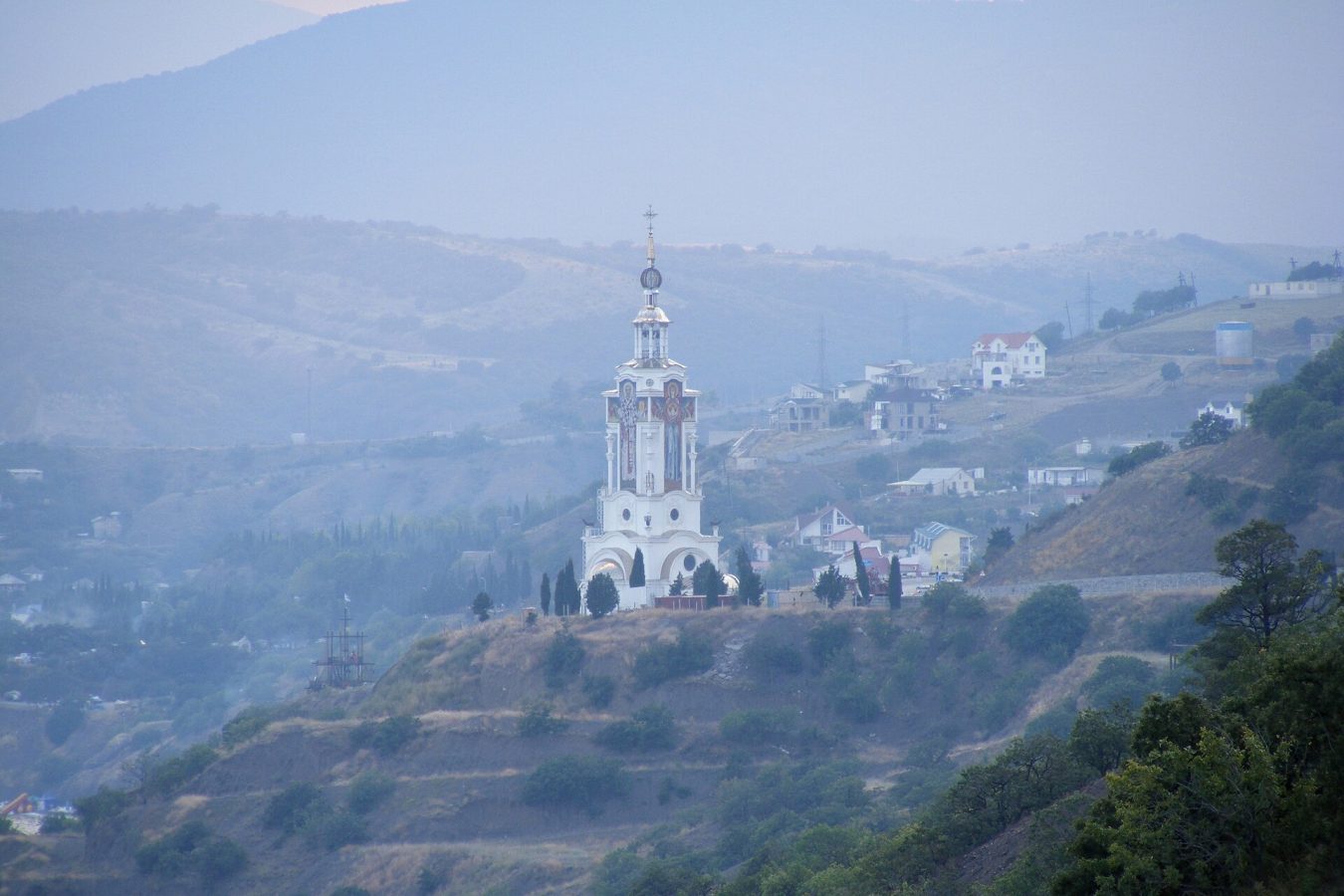
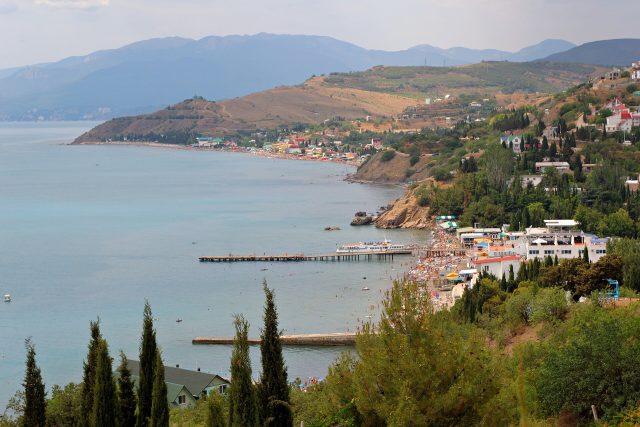
Photo: Дмитрий Шейка, CC BY 3.0
Malorechenskoye sits on Crimea’s southern coast, where mountains meet the sea. The air smells of peaches in summer and woodsmoke in winter, drifting from the forested foothills. Houses scatter across the slopes, half-hidden by vineyards and orchards. Narrow lanes twist without hurry. Gulls cry overhead, and waves break against the shore.
The beaches are narrow, covered in shifting pebbles. The water stays clear, with a greenish tint where sunlight hits it. Low cliffs rise along the coast, offering quiet spots to watch the sunset or listen to waves below. Fishermen sometimes sell their catch straight from their boats—kefal or red mullet, grilled on the shore, filling the air with salt and smoke.
People come here for the landscape. The mountains invite walking or cycling. One trail leads to Djur-Djur waterfall, which never dries up, even in summer. The path winds through pine forests and past springs where icy water bubbles from the ground. Another climb takes you up Mount Ai-Georgiy. From the top, the village and sea stretch out below, the horizon fading into the sky. On clear days, some claim you can see Turkey.
Life moves slowly. Mornings start at the market for fresh produce. Afternoons pass in gardens or vineyards. Evenings bring neighbors together—sharing wine, grilled meat, and stories. They talk about dolphins that once swam close to shore or Soviet celebrities who hid here from crowds. Local cafés serve simple food: mamaliga with cheese, grilled trout, cherry pastries. Nothing fancy, just good.
Winter quiets the village. The sea churns under stormy skies, mountains disappear into mist. A few visitors still come, seeking solitude or empty beaches. Summer brings families and travelers tired of crowds. There are no luxury hotels, just small guesthouses where the welcome feels familiar. Maybe that’s why it works: rest doesn’t always need to mean doing more.
See & Do
All of them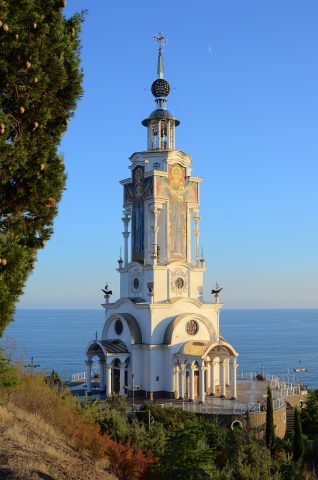
Places on the map
Marker colour follows the categoryClimate and weather
Detailed weather: Malorechenskoye- Average temperature
- 13 °C
- Precipitation per year
- 526 mm
- Sunshine hours per day
- 7.4 h
Average air temperature
°C
2
3
6
11
16
21
24
24
19
13
8
4
Jan
Feb
Mar
Apr
May
Jun
Jul
Aug
Sep
Oct
Nov
Dec