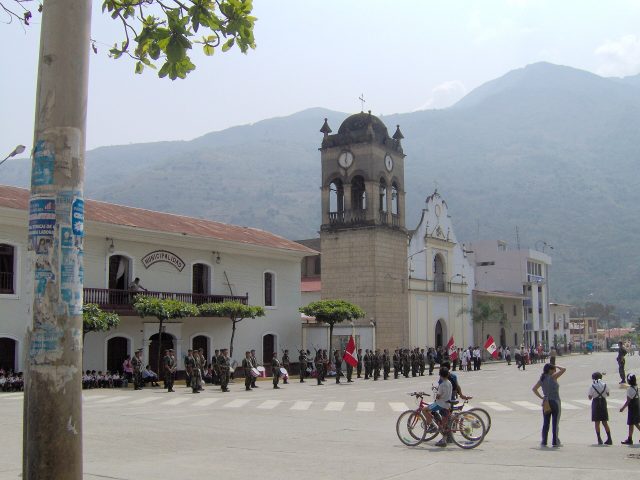
Kremenets
Ukraine · 8 places
Photo: Konstantin Brizhnichenko, CC BY-SA 4.0
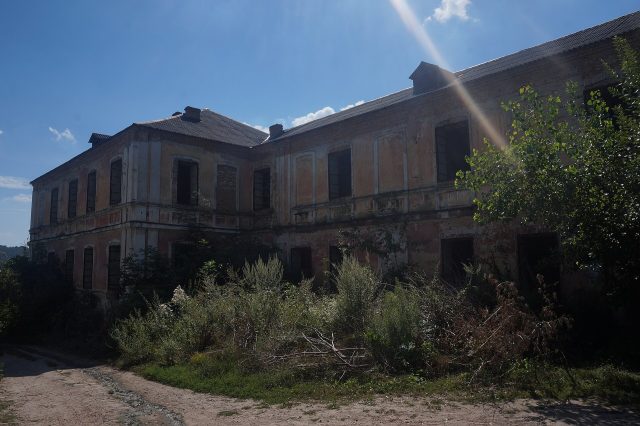
Kremenets sits quietly among the hills of western Ukraine, where the air carries the scent of damp earth and wild herbs after rain. The streets are narrow, lined with old houses whose walls seem to hold the weight of centuries. There’s no rush here—just the sound of leaves rustling in the breeze and the occasional murmur of conversation from a bench. People don’t come for grand monuments or tourist traps; they come to slow down, to sit and listen to the quiet hum of a place that feels untouched by time.
The view from the Kremenets hills stretches endlessly—rolling valleys, dense forests, and a sky that seems closer than anywhere else. On clear days, the horizon blurs into the distance, as if the world beyond these hills doesn’t quite exist. The city’s history is written into the landscape itself. First mentioned in the 13th century as part of the Galicia-Volhynia principality, Kremenets later passed through the hands of Lithuanian princes and Polish kings. In the 17th century, it was home to Jeremi Wiśniowiecki, one of the most powerful magnates of the Polish-Lithuanian Commonwealth. The ruins of Kremenets Castle still stand on a hill, its crumbling walls bearing witness to Tatar invasions, wars, and the days when the city was a thriving center of trade and culture. Climbing the winding path to the top feels like stepping into the past, where the same sweeping views once greeted watchmen centuries ago.
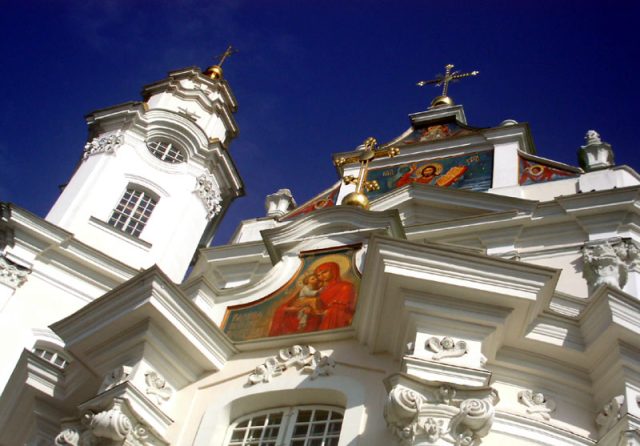
Just a short distance from the city lies the Pochaiv Lavra, one of Ukraine’s oldest and most revered monasteries. Pilgrims flock here, but so do travelers drawn by the golden domes gleaming in the sunlight and the deep, resonant toll of the bells. Inside the cathedral, the air is thick with incense and the murmur of prayers, the silence broken only by the echo of footsteps on stone. Back in Kremenets, the Church of St. Nicholas has stood for over three hundred years, its services a continuous thread through generations. Nearby, the 18th-century Jesuit Church of St. Ignatius Loyola still shelters intricate frescoes, their colors faded but their stories intact.
The hills around Kremenets are thick with forests, alive with the rustle of leaves and the occasional call of birds. In summer, locals wander the trails to gather mushrooms and berries; in winter, the slopes become a quiet haven for skiers. The Ikva River winds through the valley below, its waters reflecting the sky as they carry fallen leaves downstream. One of the best walks leads to the viewpoint on Mount Bona, where the entire city unfolds beneath you—rooftops, church spires, and the patchwork of fields stretching into the distance.
There’s a rhythm to life in Kremenets that’s hard to find elsewhere. Festivals and exhibitions come and go, but the real draw is the unhurried pace. The local history museum holds relics of 19th-century life—old photographs, handwritten letters, tools that tell stories of the people who once used them. The library is a treasure trove of rare books, some dating back to the early 1900s, their pages yellowed with age. But the heart of the city isn’t in its museums or landmarks; it’s in the small moments—the way the light slants across the central square in the late afternoon, the clink of cups in a café where regulars debate everything from politics to the weather, the way the old houses seem to lean into each other, as if sharing secrets. There are no crowds here, no need to hurry. Just the quiet certainty that some places are meant to be savored, not just seen.
See & Do
All of them
Places on the map
Marker colour follows the categoryClimate and weather
Detailed weather: Kremenets- Average temperature
- 9 °C
- Precipitation per year
- 676 mm
Average air temperature
°C
-2
-1
3
9
15
20
20
20
15
10
3
-0
Jan
Feb
Mar
Apr
May
Jun
Jul
Aug
Sep
Oct
Nov
Dec