Colossi
Cyprus · 8 places
Photo: Vegard Ottervig, Public domain
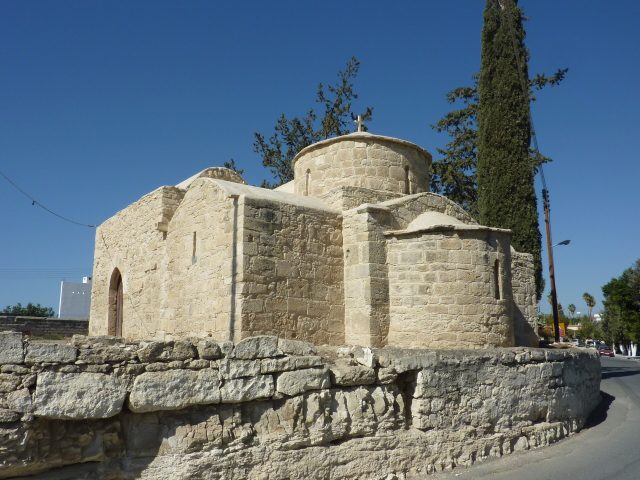
Nestled in the quiet southwest of Cyprus, Kolossi feels like a place where time has gently paused. There are no crowded beaches or neon-lit promenades here, just narrow lanes lined with golden stone houses, their shutters faded by the sun. The air carries the scent of citrus groves and warm earth, mingling with the faint sweetness of ripening grapes. Life moves at its own unhurried pace, the kind that invites you to slow down without even realizing it. The village’s most striking feature is its medieval castle, a squat, sturdy fortress that has watched over the land for centuries. Its thick walls and square tower stand as silent witnesses to the island’s layered history—when knights, merchants, and empires clashed over this sunbaked corner of the Mediterranean.
The land around Kolossi has long been shaped by the vine. This is where Commandaria, Cyprus’s legendary sweet wine, was born—a drink so prized that it once graced royal tables across Europe. The story goes that Richard the Lionheart was so taken with it that he served it at his wedding. Today, the tradition lives on in small family-run wineries, where grapes are still crushed by hand and aged in oak barrels that have seen generations of harvests. If you’re lucky, you might step into one of the dimly lit cellars, where the air is thick with the scent of fermenting fruit, and taste the result of centuries of craftsmanship. The wine here isn’t just a drink; it’s a piece of the island’s soul, rich and honeyed, with a warmth that lingers long after the last sip.
There’s no need for grand plans in Kolossi. The best way to experience it is simply to wander—past low stone walls draped in bougainvillea, through orchards heavy with oranges and lemons, or into a tiny taverna where the menu hasn’t changed in decades. The food is simple but unforgettable: slow-cooked lamb with herbs, fresh halloumi grilled over charcoal, and bread still warm from the oven. Locals might nod in greeting, but they won’t rush to fill the silence. The tourists who find their way here are usually the kind who prefer a quiet bench under an olive tree to a crowded bar, who come not for entertainment but for the chance to step into a rhythm older than tourism itself. Beyond the village, the countryside unfolds in rolling fields and sunlit groves, a patchwork of green and gold that explains why Cyprus has always been called the island of Aphrodite.
History runs deep in Kolossi, though it wears its past lightly. The castle that draws visitors today was once the heart of the Knights Hospitaller’s operations on the island, a place where power and faith intersected. In the 14th century, it served as their administrative hub, overseeing vast estates and shaping the fortunes of Cyprus. Later, it passed to the Venetians, then the Ottomans, each leaving their mark on its weathered stones. Inside, the echoes of that era remain—faded frescoes, massive fireplaces, and a deep well that once sustained the fortress’s inhabitants. It’s a place where you can almost hear the clatter of armor and the murmur of old tongues, a reminder that this small village was once at the crossroads of empires.
For those weary of the relentless energy of modern travel, Kolossi offers something rare: a sense of stillness. There are no luxury resorts or designer boutiques, just the quiet hum of everyday life. It’s the kind of place where you might spend an afternoon watching the light change over the vineyards, or lose track of time over a glass of Commandaria in a courtyard shaded by vines. If you crave the buzz of a city, Limassol is just a short drive away, but many who come here find themselves lingering, reluctant to leave the village’s unassuming charm. In Kolossi, Cyprus reveals itself not as a postcard-perfect destination, but as a place that has endured, unchanged in all the ways that matter. And perhaps that’s why it feels so deeply alive.
See & Do
All of them
Places on the map
Marker colour follows the categoryClimate and weather
Detailed weather: Colossi- Average temperature
- 21 °C
- Precipitation per year
- 328 mm
- Sunshine hours per day
- 7.6 h
Average air temperature
°C
13
13
15
19
23
26
29
29
27
24
19
15
Jan
Feb
Mar
Apr
May
Jun
Jul
Aug
Sep
Oct
Nov
Dec