Hong Kong
China · 10 places
Photo: ZhuWahDaSeeMcYanSze, CC0
Hong Kong
Hong Kong is a city of contrasts. Towering skyscrapers stand beside quiet parks and temples built centuries ago. The streets hum with energy—markets spill into narrow alleys, and luxury boutiques share blocks with dai pai dongs serving wonton noodles. Each district has its own rhythm. Central’s glass-and-steel towers pulse with financial deals. Mong Kok’s neon-lit lanes are packed with vendors selling watches and dried seafood. Lantau’s green slopes hold monasteries and hiking trails. The city thrives on these contradictions.
Food here tells its own story. A bowl of claypot rice at a street stall can be as memorable as a multi-course tasting menu in a Michelin-starred restaurant. The culinary scene blends Cantonese classics, British colonial leftovers like milk tea and egg tarts, and flavors from Southeast Asia and beyond. Dim sum in Causeway Bay, late-night skewers in Temple Street, or afternoon tea in a heritage hotel—each meal feels like an adventure. Shopping is everywhere, from Sham Shui Po’s electronics and fabric stalls to Tsim Sha Tsui’s luxury malls. But Hong Kong is more than consumption. Look closer, and you’ll find a place shaped by its past.
The city’s history is visible if you know where to look.
Double-decker trams have rattled along the same routes since the early 1900s. Star Ferry boats cross Victoria Harbour, offering views unchanged for over a century. In Mid-Levels, colonial-era buildings stand beside modern high-rises, their verandas and balconies hinting at another time. Museums like the Hong Kong Museum of History and M+ piece together the city’s stories—from fishing village origins to its role as a global crossroads. Festivals bring the past to life: dragon boat races fill the harbor with color, Mid-Autumn Festival lanterns light up the night, and incense coils drift toward the ceiling at Man Mo Temple.
Less than an hour from downtown, you can walk a deserted beach or hike a ridge with views of the South China Sea. Victoria Peak’s trails shrink the skyline to toy-sized models. Sai Kung’s national park offers emerald waters, jagged coastline, and hidden coves for kayaking. Even in Kowloon, green spaces provide escape—Hong Kong Park’s aviary, the Botanical Gardens’ shaded paths, or Tai Tam Country Park’s quiet corners. On clear days, pink dolphins play off Lantau, a reminder of the wildness that remains.
Hong Kong moves fast. Deals are struck over dim sum, fortunes shift in moments. But it also lets you slow down. Sip coffee on a rooftop as the sun sets over the harbor. Wander a temple courtyard at dawn. Lose yourself in a fishing village on an outlying island. The city doesn’t demand anything. It simply offers itself—messy, endlessly fascinating. Whether you’re here for food, history, shopping, or the energy of the place, Hong Kong stays with you. And once it does, you realize how much more there is to see.
See & Do
All of them


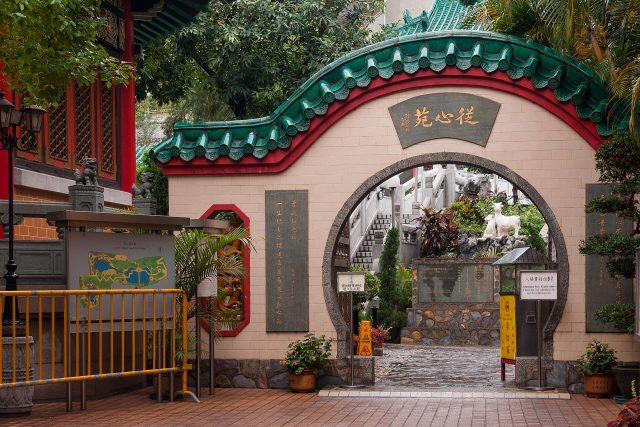
Places on the map
Marker colour follows the categoryClimate and weather
Detailed weather: Hong Kong- Average temperature
- 24 °C
- Precipitation per year
- 2373 mm
- Sunshine hours per day
- 5 h
Average air temperature
°C
17
17
20
23
26
28
29
29
28
26
22
18
Jan
Feb
Mar
Apr
May
Jun
Jul
Aug
Sep
Oct
Nov
Dec