Kochi
India · 7 places
Photo: Wikimedia Commons, CC BY-SA 3.0
Kochi sits where the Arabian Sea meets the Malabar Coast, a city shaped by water in every way. There’s no rush here, no sprawling chaos of India’s bigger cities, yet it’s far from sleepy. The pace is set by fishing boats gliding back at dawn, the scent of spices drifting from the markets, and the low hum of the harbor—one of the oldest on this coast. For centuries, this was where traders from across the world came to exchange goods, ideas, and stories, leaving behind a place that still feels like a crossroads.
The city spreads across islands and peninsulas, stitched together by bridges and ferries. Water is everywhere—in the canals, the lagoons, the wide bay that once made Kochi a vital stop on ancient trade routes. You can see the layers of its past in the architecture: the crumbling facades of colonial buildings, the wooden balconies of old merchant houses, the whitewashed churches with their European spires. Fort Kochi, in particular, feels like a place where time moves differently. Narrow lanes wind past houses painted in faded blues and pinks, their walls draped in bougainvillea. Here, Chinese fishing nets—towering wooden contraptions introduced by traders in the 14th century—still stretch over the water at dusk, their silhouettes framed against the setting sun. Nearby, the Dutch Palace, originally built by the Portuguese and later renovated by the Dutch, holds murals depicting scenes from Hindu epics, a quiet reminder of how cultures have blended here over the centuries.
Kochi is a city of contrasts, where the old and the new exist side by side without fuss. In one corner, you might find a luxury hotel with infinity pools overlooking the sea; in another, fishing families selling their catch straight from the boats, their voices rising above the clatter of the docks. Women in vibrant saris haggle over the day’s haul, while monks in saffron robes hurry past on their way to temples. By evening, the waterfront comes alive with open-air cafes serving grilled seafood, the air thick with the smell of coconut milk simmering in curries and charcoal smoke from the grills. It’s easy to lose track of time here, sitting by the water as the lights of the city flicker across the waves.
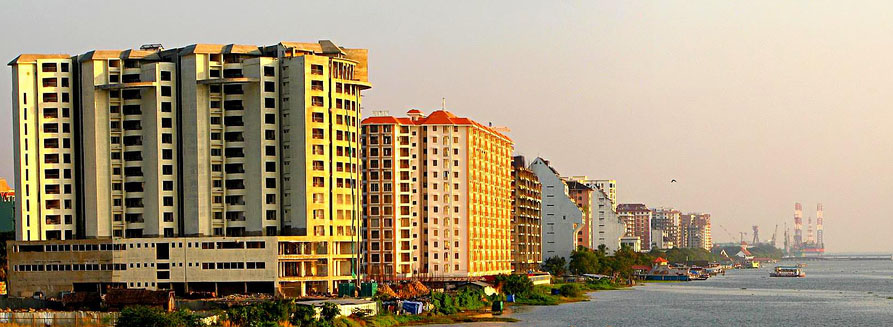
But Kochi isn’t just about its past. It’s a place that keeps moving forward, hosting film festivals, contemporary art exhibitions, and jazz concerts that draw crowds from across India and beyond. In Ernakulam, the modern heart of the city, office towers and shopping malls stand alongside universities and tech hubs, a reminder that Kochi is very much part of today’s India. Yet just a short ferry ride away, the old quarters still hum with the sound of craftsmen hammering brass or hand-painting fabrics, their skills passed down through generations. The city doesn’t cling to tradition—it simply carries it alongside the new, as naturally as the tides that have shaped it for centuries.
What makes Kochi different from other Indian cities is how effortlessly it holds its contradictions. It’s a place where you can wander from a centuries-old spice market to a sleek art gallery in the same afternoon, where the call to prayer from a mosque mingles with the chatter of a coffee shop, where the sea is both a livelihood and a backdrop to modern life. There’s no need to choose between the past and the present here—they’ve been living together for so long that they’ve become part of the same rhythm.
Eat & Drink
0 placesNothing in this category yet — the catalogue is still growing.
All placesPlaces on the map
Marker colour follows the categoryClimate and weather
Detailed weather: Kochi- Average temperature
- 27 °C
- Precipitation per year
- 2872 mm
Average air temperature
°C
27
28
28
28
28
26
26
26
26
26
26
27
Jan
Feb
Mar
Apr
May
Jun
Jul
Aug
Sep
Oct
Nov
Dec