
Hanoi
Vietnam · 9 places
Photo: xiquinhosilva, CC BY 2.0
Hanoi
Hanoi moves to its own rhythm. Motorbikes weave through streets like fish, riders navigating around lakes that have watched the city change for centuries. Pagodas stand beside French colonial villas, their facades softened by time, while the scent of grilled meat and herbs drifts from every corner. The city absorbs modernity slowly, letting new layers settle over old ones like dust on a bookshelf.
The Old Quarter is where this history feels most alive. Its narrow lanes are packed with life in a way no museum could capture. A single building might house a family, a workshop, and a shop, its front door opening onto the chaos of commerce. Fruit vendors balance baskets on their shoulders. Old men play chess in temple courtyards. At dusk, the lights of Hoan Kiem Lake flicker to life, reflections trembling on dark water.
The lakes are Hanoi’s pulse. Hoan Kiem, wrapped in legend, is the city’s most famous—its name means "Lake of the Returned Sword," referencing a tale of a magical blade that helped Vietnam reclaim independence. Today, couples stroll its shores. Tourists toss bread to turtles. Locals practice tai chi at dawn, movements slow against morning mist.
West Lake lies just beyond, the city’s largest. Pagodas rise from the water’s edge, red roofs glowing in sunset. Cafes spill onto sidewalks, offering coffee and quiet conversation. In the evenings, the lake becomes a stage: street musicians play traditional songs, children chase each other along the promenade, and the air hums with energy from generations of gatherings.
The Old Quarter is a maze of thirty-six streets, each once dedicated to a single craft. Though names like Silk Street or Silver Street hint at specialized trade, today the lanes mix tailors, spice sellers, and electronics shops. Buildings are narrow, deep, and tall—taxes were once levied on street frontage, not square footage, forcing homes to stretch backward. Walking here feels like stepping into another era. Woodcarvers shape figures at their benches. Blacksmiths hammer glowing metal into tools. Women ladle steaming bowls of pho onto tiny plastic stools. The smells are overwhelming: garlic frying, herbs crushed, meat sizzling over charcoal. To refuse a taste is to miss half the experience.
Hanoi thrives on contrast. A Buddhist temple might share a block with a rooftop bar playing indie rock, its neon sign glowing above ancient stone. French villas with wrought-iron balconies stand next to Soviet-era apartment blocks. Glass-and-steel shopping malls rise behind crumbling colonial facades. Young women in ao dai dresses ride motorbikes past vendors selling baguettes, a reminder of French influence. The city doesn’t reconcile these differences; it lets them coexist, messy and unfiltered.
What makes Hanoi stick in your memory isn’t any single landmark. It’s the way a stranger might hand you a cup of egg coffee without a word. It’s how a quiet alley opens to a hidden courtyard where an old man tends bonsai trees. It’s the way street food tastes better than in any restaurant—where a bowl of bun cha or a plate of banh xeo costs less than a coffee back home.
The city doesn’t care if you like it. It’s too busy living. The noise, the smells, the way light slants over the lakes at dusk—it all feels familiar, even if you’ve only just arrived.
See & Do
All of them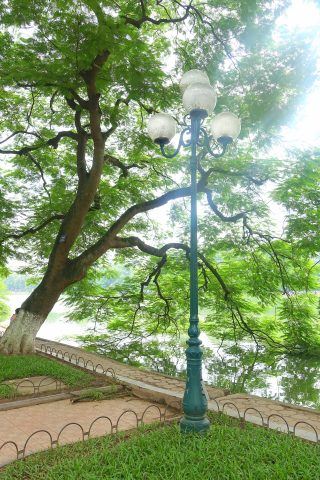


Places on the map
Marker colour follows the categoryClimate and weather
Detailed weather: Hanoi- Average temperature
- 25 °C
- Precipitation per year
- 2081 mm
Average air temperature
°C
18
19
22
25
28
30
30
29
29
26
23
19
Jan
Feb
Mar
Apr
May
Jun
Jul
Aug
Sep
Oct
Nov
Dec


