Hakone
Japan · 9 places
Photo: Ryan Cragun, Public domain
Hakone
An hour from Tokyo, Hakone sits in the mountains, where the air smells of sulfur and pine. Mount Fuji appears and disappears with the light—sometimes sharp against the sky, sometimes hidden behind mist.
Hot springs shape the town. Some are inside ryokan, where tatami floors and sliding doors lead to kaiseki meals served in seasonal courses. Others are open-air baths, where steam rises under autumn leaves or winter snow. A museum explains onsen culture, letting visitors taste mineral waters and learn how these baths became part of Japanese life. But the point isn’t to hurry. It’s to slow down.
Hakone lies on the old Tokaido road, once the path between Kyoto and Edo. The post stations remain, their cobbled streets now lined with shops selling handmade crafts and soba noodles. Hakone-Yumoto feels like stepping into the past—wooden facades, quiet alleys, and the steady rhythm of a place that moves at its own pace.
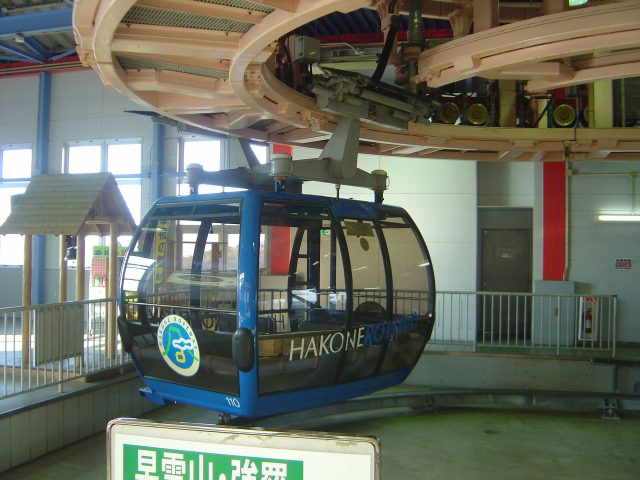
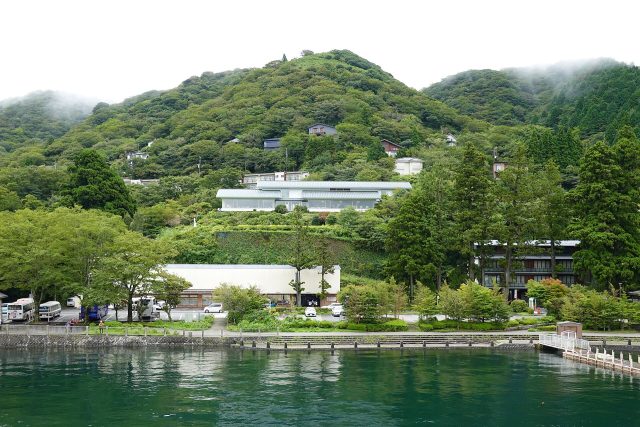
A funicular or cable car takes you higher. From there, the land unfolds: volcanic valleys, lakes like glass, and Fuji close enough to feel its presence. Trails wind through cedar forests and bamboo groves. A boat crosses Lake Ashi, where the water mirrors the sky and drifting logs look like something from an old story. In winter, small ski slopes open, their short runs offering views of the volcano.
You don’t need a plan. Stop for matcha and mochi in a café. Sit by the lake as the light shifts. The steam from an onsen, the wind in the pines, the way the mountains catch the sun—these are the things that stay with you.
Hakone isn’t about ticking off sights. It’s about time slowing down.
See & Do
9 places



Places on the map
Marker colour follows the categoryClimate and weather
Detailed weather: Hakone- Average temperature
- 17 °C
- Precipitation per year
- 2024 mm
Average air temperature
°C
8
8
11
15
19
22
26
27
24
19
15
10
Jan
Feb
Mar
Apr
May
Jun
Jul
Aug
Sep
Oct
Nov
Dec