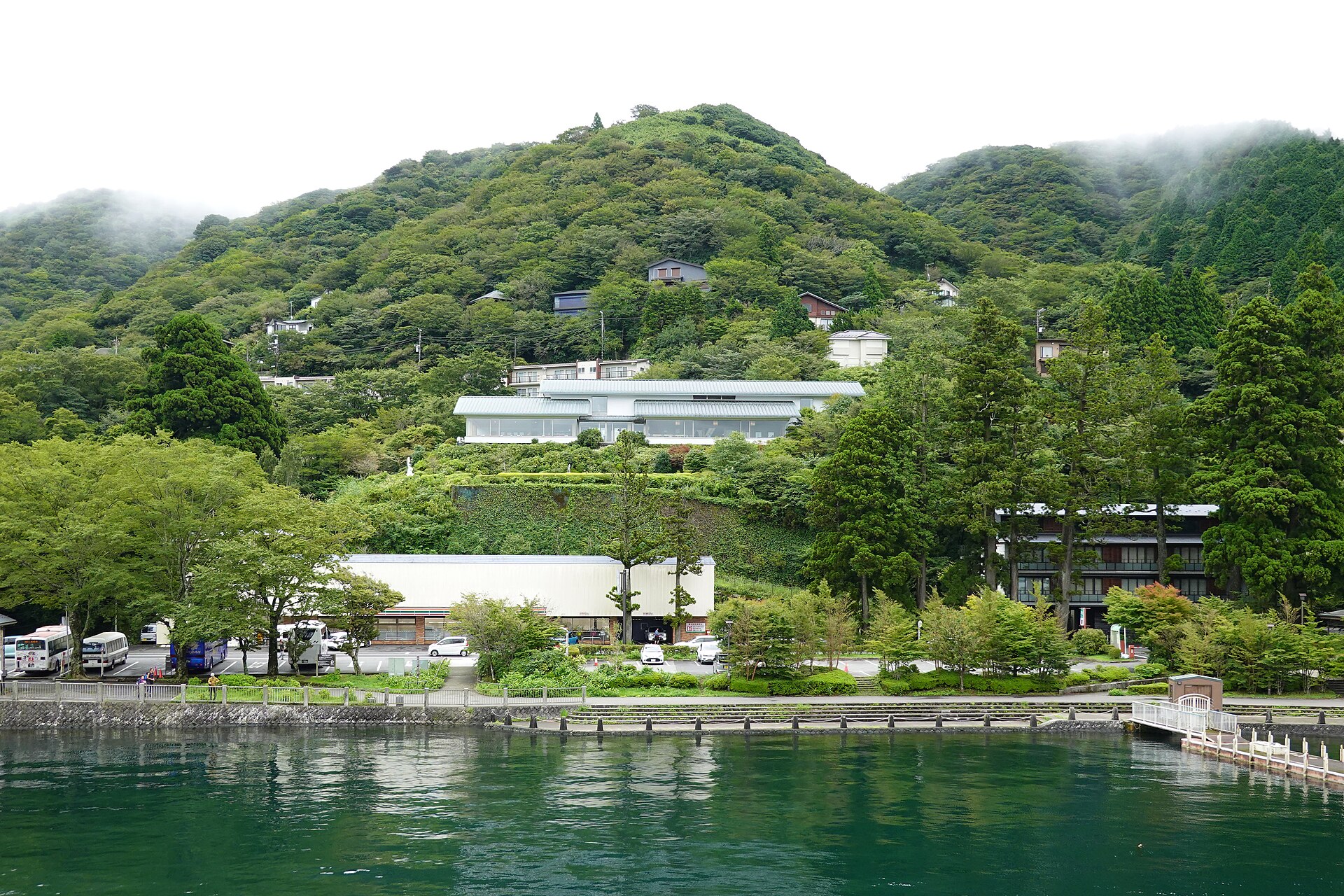
Hakone is often seen as a place of hot springs and views of Mount Fuji, but tucked away in its misty valleys and dense forests is something far more unexpected—a museum dedicated to backgammon, or *sugoroku*, as the game is known in Japan. This isn’t a typical museum with glass cases and plaques. Instead, it’s a space where the game transcends its role as mere entertainment, becoming part of the architecture, the landscape, and even the quiet philosophy of the place.
The building itself feels like an extension of the surrounding nature. Low wooden beams, sliding doors, and large windows frame the soft light of the mountains, creating an atmosphere that invites stillness. Inside, the layout is unhurried, designed for contemplation rather than crowds. There are no guided tours rushing visitors along, no audio guides blaring in multiple languages. Just the occasional rustle of an old manuscript or the soft click of pieces being moved across a board. The museum doesn’t just display the game—it lets you feel its rhythm.
Backgammon arrived in Japan during the Heian period, when aristocrats played it as a pastime of strategy and chance. Over time, it spread beyond the elite, becoming as common as *go* or *shogi*. The museum holds rare boards from the Edo period, some inlaid with mother-of-pearl, others lacquered in intricate patterns. These aren’t just artifacts; they’re evidence of how deeply the game was woven into daily life. A single board might tell a story of craftsmanship, social status, or even a forgotten rivalry between players.
Woodblock prints from the *ukiyo-e* tradition offer another glimpse into the game’s history. Some depict famous players of the past, their names still recognized by enthusiasts today. Others show scenes of everyday life—merchants taking a break from work, samurai unwinding between battles, families gathered on a quiet evening. Backgammon was never just a game; it was a way to connect, to pass time, to mark the small moments that make up a life. The museum preserves that sense of shared experience, not as a relic, but as something still alive.
Visitors can try their hand at the game in workshops, where beginners learn the basics and experienced players test their skills against local masters. The boards here aren’t just for show—some have subtle guides for newcomers, while others are left bare, challenging players to rely on instinct. There’s something meditative about the way the pieces slide across the wood, the quiet focus it demands. For many, the real draw isn’t the exhibits but the chance to sit at a table, feel the weight of the pieces, and lose themselves in the slow, deliberate rhythm of the game.
The museum sits away from Hakone’s main attractions, down narrow lanes lined with old inns and small teahouses. Its garden changes with the seasons—azaleas in spring, fiery maples in autumn—and on clear days, the mountains loom in the distance. The location feels intentional, as if the museum exists in its own pocket of time, untouched by the bustle of nearby tourist spots. It’s easy to forget you’re in one of Japan’s most visited destinations when the only sounds are the wind in the trees and the occasional murmur of a game in progress.
What makes this place unusual is its lack of pretension. There are no grand claims about revolutionizing how we see backgammon, no attempts to turn it into something it’s not. Instead, the museum simply lets the game speak for itself. It’s a tradition that has endured for centuries, not because it’s flashy or trendy, but because it’s meaningful. Here, backgammon isn’t preserved in amber—it’s still being played, still being passed down, still part of the way people slow down and connect.
A visit here isn’t about ticking off another attraction. There’s no pressure to follow a set path, no scripted narrative to absorb. You can spend an hour examining a single board, or wander the garden with no particular destination in mind. The museum doesn’t demand your attention; it offers a space to reflect. In a region where nature and culture intertwine so seamlessly, it feels like another thread in that tapestry—a quiet reminder of how traditions persist, not as museum pieces, but as living, breathing parts of the world.