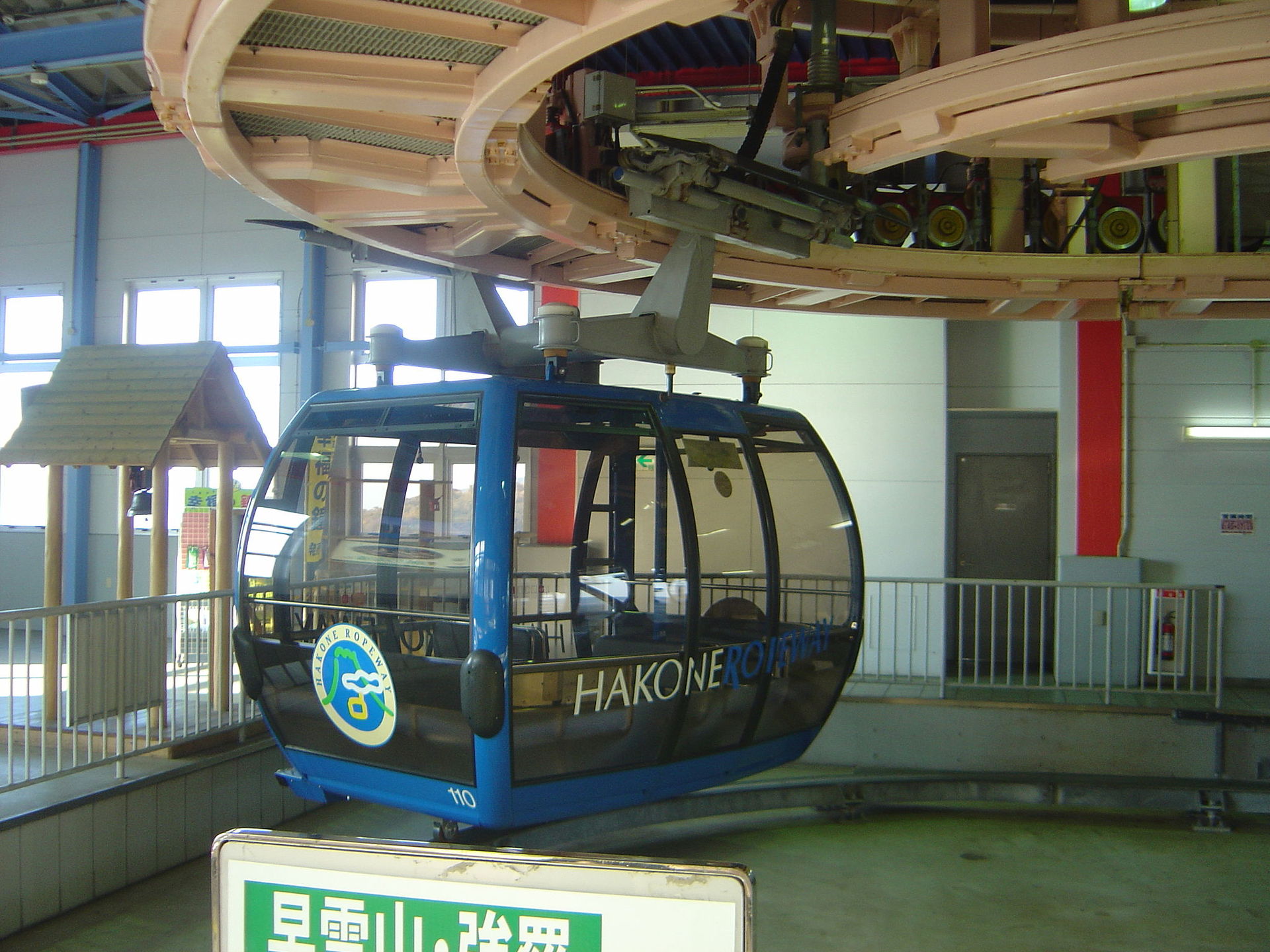
Hakone’s ropeway isn’t just a way to get from one place to another—it’s an experience that unfolds slowly, revealing the landscape in layers. The journey begins in Sounzan, where the cable car climbs gently above the treetops, offering glimpses of dense forests and steep mountain slopes. As it ascends, the scenery shifts from the manicured gardens of ryokan inns to the wild, untamed beauty of Hakone’s volcanic terrain. On clear days, the snow-capped peak of Mount Fuji emerges in the distance, a quiet presence above the changing seasons below—cherry blossoms in spring, fiery maples in autumn, or the stark contrast of winter’s bare branches.
The ropeway’s history is tied to Hakone’s transformation into a tourist destination. Built in the mid-20th century, it was designed to make the region’s natural wonders more accessible without disrupting them. The engineers faced challenges: steep gradients, unstable volcanic soil, and the ever-present risk of seismic activity. Even now, the system occasionally pauses due to high winds or sulfur gas levels—a reminder that this is still a place where nature sets the rules. Yet for most of the year, the ride is smooth, carrying passengers effortlessly over valleys and ridges.
The cabins themselves are spacious, with large windows framing the views like moving paintings. The first stretch passes over rooftops and winding roads, then gives way to thick forests and rocky outcrops. Near the upper stations, the landscape grows wilder—steaming vents, sulfur fields, and the occasional plume of smoke rising from the earth. One of the stops, Owakudani, invites visitors to step out onto wooden walkways that lead to bubbling hot springs. Here, vendors sell black eggs boiled in the mineral-rich waters, a local curiosity said to add years to your life. The eggs are more about the ritual than the legend, but the experience feels like stepping into another world.
The stations along the route are designed with quiet elegance, blending modern simplicity with traditional Japanese aesthetics. Their curved roofs and expansive glass walls let in natural light, creating a sense of openness. Inside, there are places to rest, small cafes, and shops selling handmade crafts—subtle touches that make the journey feel unhurried. At Togendai, the ropeway connects to Lake Ashi, where sightseeing boats wait to take passengers across the water. The lake, ringed by forested hills, is one of Hakone’s most photographed spots, and the ropeway acts as a bridge between land and water, tying the region’s attractions together.
For many, the ride is the highlight of a visit to Hakone. Unlike the crowded streets of Tokyo or Kyoto, this is a place where time slows down. The only sounds are the hum of the cable and the occasional announcement in Japanese or English. Early mornings and late afternoons are especially magical, when the light softens and the mountains take on golden hues. Even a short trip feels meditative, as if the landscape itself is inviting you to pause and observe.
The ropeway operates year-round, and each season brings its own mood. Spring bursts with cherry blossoms and azaleas, summer cloaks the hills in deep green, and autumn sets the forests ablaze with red and gold. Winter, if the weather cooperates, offers the rare sight of Fuji’s snowy peak against a crisp blue sky. Even on overcast days, when clouds obscure the view, the ride has its own quiet charm. The mist softens the contours of the mountains, turning the scene into a watercolor of grays and muted greens—a reminder of the Japanese appreciation for impermanence and fleeting beauty.
Beyond its scenic appeal, the ropeway is a vital link in Hakone’s transport network. It connects key points—from Sounzan’s train station to Lake Ashi, hot spring resorts, and museums—making it easier to explore without a car. Like many of Japan’s infrastructure projects, it balances accessibility with respect for the environment. There are no towering concrete structures or cleared forests, just slender pylons and cables that seem to float above the treetops.
Hakone itself is a place where nature and human presence coexist in careful harmony. Hot springs bubble up from the earth, volcanic vents hiss with steam, and ancient pilgrim trails wind through the forests. The ropeway fits seamlessly into this landscape, offering a way to see it from a different perspective. It doesn’t compete with the scenery; it enhances it, framing the views in a way that feels both intimate and expansive. That’s why the ride lingers in memory—not as a feat of engineering, but as part of the larger story of Hakone, where the land and its traditions are still deeply connected.