Owakudani is one of those rare places where the raw power of nature feels almost tangible. Tucked away in the mountains of Hakone, this volcanic valley looks like a scene from another world—steam hisses from cracks in the earth, sulfurous fumes curl around jagged rocks, and the air hums with an eerie, primal energy. The locals call it the "Great Boiling Valley," and the name fits. Standing here, it’s easy to imagine the ground trembling beneath your feet, as if the earth itself might stir at any moment.
The valley’s origins trace back to a violent eruption around three thousand years ago, when part of Mount Hakone collapsed, leaving behind a vast caldera. Since then, underground forces have kept the area alive with scalding gases and mineral-rich waters. In the past, people avoided Owakudani, believing it was haunted by spirits. Today, it’s a popular stop for visitors, though the sulfuric smell and billowing steam still serve as reminders that this is no ordinary landscape. The land here hasn’t softened with time—it remains as untamed as ever.
The most striking feature of Owakudani is its fumaroles, vents where superheated steam escapes from deep within the earth. Some are so hot that they’re used to cook eggs, a local specialty known as *kuro-tamago*, or "black eggs." The shells darken from the sulfur, and legend claims that eating one adds seven years to your life. The taste is subtle but distinct—minerals seep into the yolk, leaving a faint, earthy tang that lingers. Whether or not you believe in the myth, the experience is unforgettable.
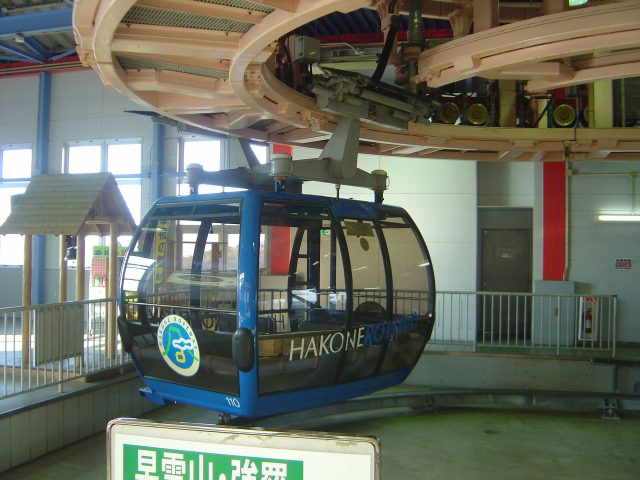
The easiest way to reach Owakudani is by cable car, a short but breathtaking ride that ascends through dense forests and misty slopes. As you climb, the scenery shifts from lush greenery to something far more otherworldly. On clear days, the view from the top station is spectacular—Mount Fuji looms in the distance, its snow-capped peak a stark contrast to the steaming valley below. Even when clouds obscure the mountain, Owakudani holds its own. The sight of rocky outcrops wreathed in steam is enough to make the trip worthwhile.
The valley itself is small, and you can explore its main sights in under an hour. Wooden walkways wind between the fumaroles, allowing visitors to wander safely among the hissing vents. In some spots, the steam erupts with such force that it feels like the earth is breathing. The air is thick with the smell of sulfur, sharp at first but oddly comforting once you adjust. Vegetation is sparse—only a few hardy grasses and mosses cling to the damp rocks, thriving in the harsh conditions. It’s a landscape that feels both ancient and alive.
Owakudani isn’t just a place for quick photos or a brief stroll. It’s a reminder of how fragile the balance between humans and nature can be. The valley is still geologically active, and occasionally, access is restricted due to high sulfur levels. These closures are a humbling reminder that this land operates on its own terms. Yet even when the paths are empty, Owakudani retains its mystique. There’s something compelling about standing in a place where the earth’s inner workings are so visibly at play.
For those who want to linger, a handful of small cafés and shops sit near the cable car station. Beyond the famous black eggs, you can try local snacks like *mochi* or red bean sweets, their sweetness a counterpoint to the valley’s sulfurous bite. The souvenir stalls sell minerals collected from the area, along with charms and trinkets said to bring good fortune. But the real takeaway isn’t something you can buy—it’s the memory of a landscape that feels both alien and deeply real, a place where the earth’s raw energy is on full display.
Time moves differently in Owakudani. There’s no rush, no sense of being hurried along by crowds. Even during peak season, the valley feels quiet, as if the land itself dictates the pace. The wooden walkways, the drifting steam, the faint breeze carrying the scent of sulfur—it all creates a sense of stepping outside the usual flow of time. For a little while, the noise of the world fades, and you’re left with something simpler, something older.
Few places leave such a lasting impression. Some visitors leave with a quiet awe for nature’s power; others with a desire to return. But no one walks away unchanged. Owakudani is a reminder that even in a world shaped by human hands, there are still corners where the earth remains wild and unpredictable. And perhaps that’s why it draws people in—here, for a moment, you can forget the everyday and feel connected to something far greater.