
Panaji
India · 10 places
Photo: Sailko, CC BY 3.0
Panaji
Panaji drifts with the Mandovi River, not the clock. It’s Goa’s capital, but the city ignores the rules—no skyscrapers, no traffic jams, no hurry. Even the government buildings, with their red-tiled roofs, seem to have grown from the ground, their low walls softened by time. The place doesn’t shout for attention. It waits.
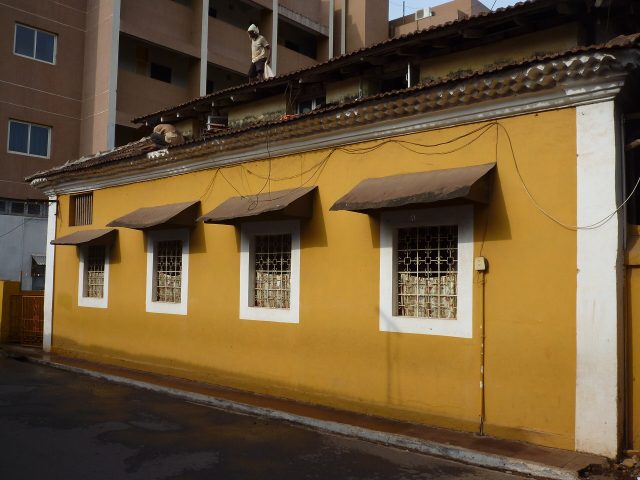
Fontainhas, the old Latin Quarter, is where the past lingers. Portuguese houses sag under bougainvillea, their balconies peeling but still bright. Narrow lanes smell of turmeric and drying fish. Men play chess in doorways; women carry baskets of mangoes on their heads. By the river, boats—blue, yellow, red—rock with the tide. At dusk, cafés light up: rum cocktails, prawns still glistening, strings of bulbs swaying in the breeze.
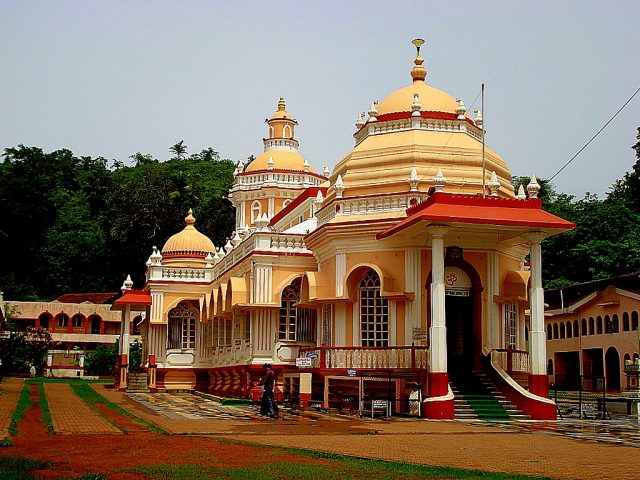
There are no grand attractions here. No hawkers, no queues. Instead, the city is a quiet mix of two worlds. Whitewashed churches stand near Hindu temples where incense curls into the rafters. The food does the same: coconut curries beside *vinho d’alhos*, pork marinated in garlic and wine. Sometimes, a festival spills into the street—drums, dancing, no one keeping score of who’s who.
Panaji asks little. Just that you slow down.
Go to Mapusa market. Pineapples gleam under the sun; embroidered cloth flutters in the heat. Take the ferry to Old Goa. The churches there are grand, their facades cracked by centuries. Or sit by the river. The water turns gold as the sun sets, and the boats come in, leaving trails like scattered coins.
The best moments here catch you off guard. That’s why you’ll return.
See & Do
10 places


Places on the map
Marker colour follows the categoryClimate and weather
Detailed weather: Panaji- Average temperature
- 28 °C
- Precipitation per year
- 3396 mm
- Sunshine hours per day
- 6.5 h
Average air temperature
°C
26
27
28
30
30
28
27
27
27
28
28
27
Jan
Feb
Mar
Apr
May
Jun
Jul
Aug
Sep
Oct
Nov
Dec


