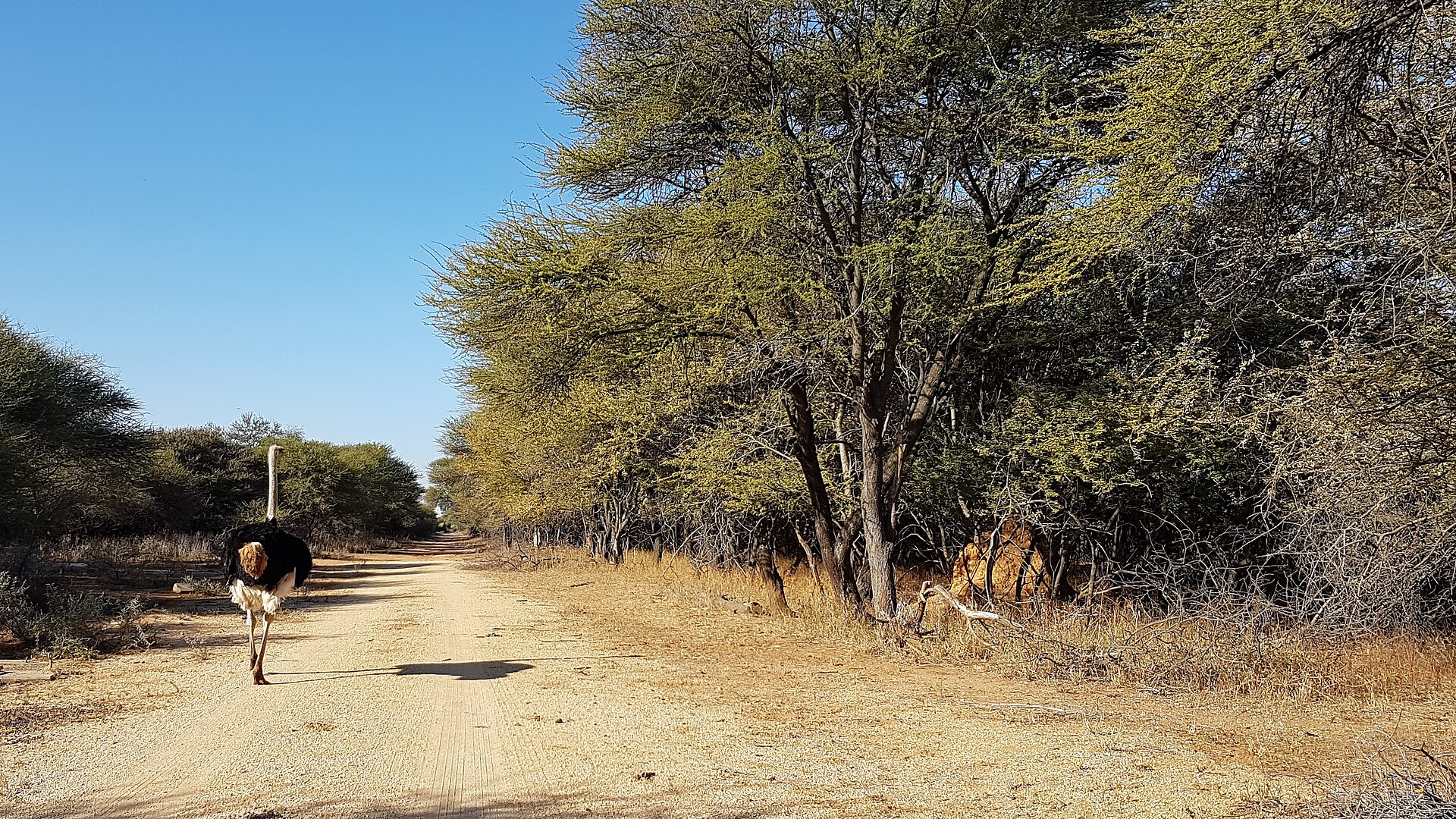
Gaborone Game Reserve is one of those rare places where the wild edges of the savanna brush against the city without either side seeming to notice. Just a short drive from Botswana’s capital, the reserve feels like a forgotten pocket of wilderness, a stretch of land that somehow escaped the spread of roads and buildings. There are no crowds here, no tour buses, no guides rushing you along—just the quiet hum of nature and the occasional visitor who stumbles upon something unexpected. It’s easy to forget you’re still within reach of the city’s center.
The reserve was established in 1988 as an attempt to protect local wildlife from the rapid expansion of Gaborone. In those years, the city was growing fast, and animals that had once roamed freely found themselves trapped between construction sites and highways. The park became a refuge for those that couldn’t retreat deeper into the bush. Today, its five square kilometers might seem small, but within that space, life thrives in ways that feel almost improbable. The land here is modest, yet it holds a surprising diversity of creatures, all going about their business as if the city beyond didn’t exist.
You won’t find the Big Five here, but that doesn’t make the reserve any less compelling. Zebras graze near the roads, their stripes sharp against the dry grass, while giraffes stretch their necks to reach the higher branches of acacia trees. Impalas and kudus move through the brush with quiet grace, and if you’re lucky, you might spot a porcupine or a jackal slipping between the rocks. Birds are everywhere—from the tiny, vivid weavers flitting between branches to eagles circling overhead. The best time to visit is during the dry season, when animals gather around waterholes, making them easier to spot. Even then, there’s no guarantee of a sighting, just the quiet anticipation of what might appear around the next bend.
The landscape is classic southern African savanna: rolling hills covered in golden grass, scattered acacias, and rocky outcrops that glow pink in the late afternoon light. The roads are unpaved, and after rain, they turn into a test of patience and driving skill. But that’s part of the charm. There’s no illusion of a polished safari experience here—just the raw, unfiltered rhythm of the bush. A few signs along the routes offer basic information, but they’re more of a gentle nudge than a guide. The real point isn’t to read about the place but to let it unfold around you.
Most visitors explore by car, though you can walk if you prefer. There’s no need for a safari vehicle—just a regular car, a slow pace, and a willingness to stop whenever something catches your eye. Animals here aren’t shy. Zebras might wander so close you can see the individual hairs in their manes, and baboons often watch from the bushes with curious, almost human expressions. The reserve isn’t a zoo, though. There are no fences to keep the wildlife in or the people out, just an unspoken agreement that everyone moves at their own pace.
The best times to visit are at dawn or dusk, when the light is soft and the air is filled with sounds—the chatter of birds, the rustle of grass, the distant call of a lion that, truth be told, probably comes from beyond the park’s borders. The light at these hours turns the landscape into something almost dreamlike, with long shadows stretching across the ground and the sky shifting from gold to deep blue. Many people come here not just to see animals but to soak in the atmosphere, to feel the quiet pulse of the savanna without the distractions of modern life.
There are no cafes, no gift shops, no air-conditioned restrooms—just a small information center near the entrance where you can pick up a map or ask about recent sightings. The map isn’t strictly necessary, though. The roads are simple, looping through the reserve without much chance of getting lost. The key is to take your time, to let the place reveal itself slowly. This isn’t a park that dazzles with grand spectacles. Instead, it offers something quieter: a chance to see the bush as it is, without fanfare or artificial staging.
For locals, the reserve is more than just a tourist spot. It’s a piece of living history, a reminder of a time when these lands were open grazing grounds and hunting territories. Some of the older residents still remember when the area was part of a larger, wilder landscape. Today, hunting is banned, but the past lingers in the stories people tell and in the names of the hills that dot the reserve. School groups sometimes visit, children piling out of buses to see the animals they’ve only read about in textbooks. For them, the reserve is a classroom without walls, a place where the natural world feels close enough to touch.
Gaborone Game Reserve isn’t the kind of place you visit for dramatic photos or stories to impress friends back home. It’s for those who want to experience the savanna’s rhythm without venturing far from the city. There are no luxury lodges or restaurants with sunset views, just the quiet satisfaction of being somewhere untamed, even if it’s just a short drive from the capital’s bustle. It’s a place to sit in silence, to listen to the wind, and to remember that the wild isn’t as far away as we sometimes think.