Brest
Belarus · 8 places
Photo: Kontrol pictures BY, CC0
Brest sits where Belarus meets Poland, a quiet city shaped by rivers and borders. The Mukhavets and Western Bug have always defined its rhythm, carrying trade, armies, and stories through the centuries. Here, history isn’t locked away in museums—it lingers in the cobblestones, the low-slung houses with their red-tiled roofs, the wide boulevards that suddenly narrow into alleys where time seems to slow. The city has been a fortress, a crossroads, a provincial backwater, yet it has never lost its sense of place. Modern life hums along the avenues, but step into the old quarter, and you’ll find the past still breathing.
No visit to Brest is complete without walking through the Brest Fortress. In June 1941, its defenders held out against overwhelming odds for nearly a month, becoming one of the first symbols of Soviet resistance in World War II. Today, the fortress is a memorial, not just to war, but to endurance. The ruins of barracks and gun emplacements stand alongside newer monuments, like the striking *Thirst* sculpture, a tribute to those who died without water. The eternal flame flickers in the wind, and the weight of history is palpable—this isn’t just a tourist site, but a place that demands reflection. Even the museum exhibits, from wartime letters to rusted weapons, feel less like artifacts and more like echoes of real lives.
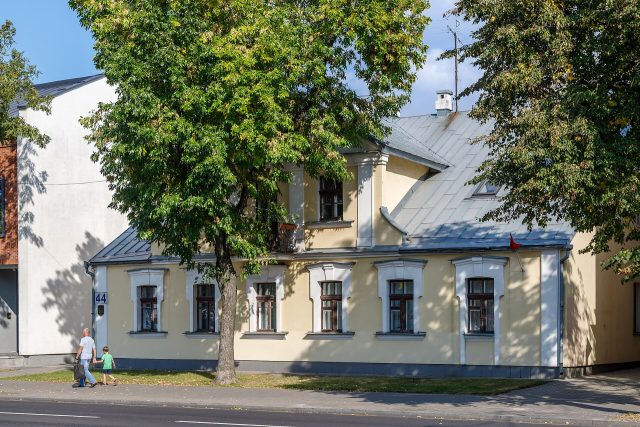
The heart of Brest is its center, a maze of courtyards and century-old buildings that tell a story of shifting borders. Sovietskaya Street is the best place to start. Here, a grand former bank with its imposing columns stands next to a modest townhouse where a local doctor once lived. The buildings are a patchwork of styles—some ornate, some plain—but together they create a sense of continuity. Nearby, Lenin Square offers a more modern contrast, with its fountain and open-air cafés where locals sip coffee in the afternoon. Just a short walk away, the Brest Academic Drama Theater has been staging plays since the 1930s, its repertoire ranging from Chekhov to contemporary Belarusian works. The theater’s facade is unassuming, but inside, the energy is alive, a reminder that culture here isn’t just preserved—it’s lived.
Brest is a green city, its parks and riverbanks woven into daily life. Central Park is the most obvious draw, with its summer cinema, fairground rides, and crowds on warm evenings. But the quieter spots are just as rewarding—the tree-lined paths along the Mukhavets, where fishermen cast their lines and couples stroll at dusk. In summer, the riverfront comes alive with festivals, open-air concerts, and markets selling everything from handmade crafts to fresh berries. Winter transforms the city into something softer, the parks dusted with snow, the cafés filled with the scent of spiced wine and warm pastries. The pace slows, and Brest feels like a place made for lingering.
What makes Brest special is that it doesn’t try too hard. It’s not a postcard-perfect tourist destination, but a city that moves at its own rhythm. You can stop at a small shop for a wedge of local cheese or a link of smoked sausage, or sit in a café where the waitress knows the regulars by name. The food is simple but hearty—try the Brest borscht with its pillowy pampushki, or a plate of draniki, the potato pancakes that are a staple across Belarus. In the evenings, the streets glow under old-fashioned streetlamps, and the sound of laughter spills out from courtyards. Brest doesn’t shout its importance, but it doesn’t need to. It has always been here, steady and unassuming, a place where history and everyday life flow together like the rivers that shaped it.
See & Do
8 places




Places on the map
Marker colour follows the categoryClimate and weather
Detailed weather: Brest- Average temperature
- 8 °C
- Precipitation per year
- 541 mm
Average air temperature
°C
-2
-2
2
9
14
17
19
18
13
8
3
-1
Jan
Feb
Mar
Apr
May
Jun
Jul
Aug
Sep
Oct
Nov
Dec