St. Simeon’s Cathedral in Brest is one of those places that doesn’t immediately demand attention, yet lingers in the mind long after you’ve left. Standing on the banks of the Mukhavets River in the heart of the city, it feels like a quiet presence rather than a grand statement. Approaching from the pedestrian bridge, the cathedral’s white walls, tall arched windows, and modest domes blend seamlessly into the low-rise skyline of old Brest. There’s no overwhelming monumentality here—just a building that seems to have grown naturally from the city itself, as if it has always been part of the landscape.
The cathedral’s history is woven into the fabric of Brest. The first wooden church on this site appeared in the early 19th century, when the city was part of the Russian Empire. Back then, it served as a garrison church for soldiers stationed at the Brest Fortress. The stone structure we see today was built in 1865, designed by architect Viktor Sychugov in the emerging Neo-Russian style—a nod to medieval Russian architecture, but stripped of excessive ornamentation. Funded by donations from townspeople and military personnel, the cathedral reflects a certain humility in its design, as if its builders wanted it to feel approachable rather than imposing.
Inside, the space is simple but carefully composed. The central nave draws the eye toward the dark-toned iconostasis, its gilding catching the light in subtle ways. The wall paintings are unassuming, almost intimate, lacking the grandeur often found in larger cathedrals. There are no vast frescoes or lavish decorations, just a sense of warmth and quiet reverence. The side chapels, bathed in soft light from the high windows, feel particularly serene, with old icons that seem to carry the weight of time. Like many religious sites in the region, the cathedral was closed during the Soviet era, but it was returned to the faithful in the 1990s and has been an active place of worship ever since.
St. Simeon’s is inseparable from the story of the Brest Fortress, located just a few hundred meters away. During World War II, the fortress was one of the first Soviet strongholds to face the German invasion, and the cathedral suffered significant damage—its walls pockmarked by shells, its interior decorations partially destroyed. After the war, it was restored, and today it serves not only as a house of worship but also as a quiet memorial to those who defended the city. On certain days, memorial services are held here for the fallen soldiers, drawing not just parishioners but also those who come to honor the past.
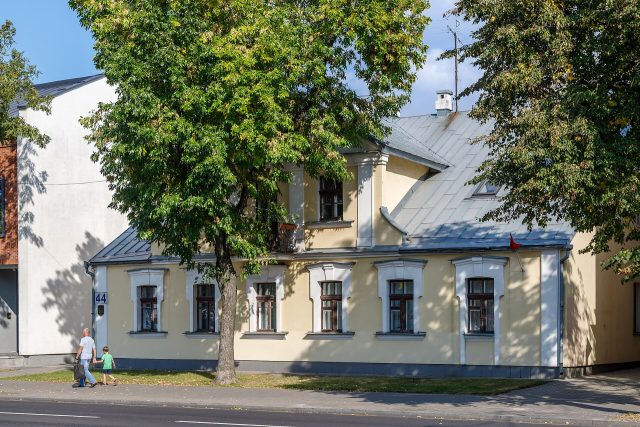
The area around the cathedral has a lived-in, unpretentious charm. Walking along the Mukhavets embankment, you’ll pass old wooden houses with intricate window frames, some still bearing traces of pre-revolutionary craftsmanship. Nearby, the local market bustles in the mornings, with vendors selling fresh fish, vegetables, and homemade preserves. In summer, the embankment comes alive with families strolling, elderly locals chatting on benches, and groups of young people gathering in the evenings. The cathedral, standing quietly amid this everyday life, feels like a witness to the city’s transformations over the past century and a half.
For those interested in history, St. Simeon’s can be a starting point for exploring Brest. From here, it’s a short walk to the fortress, where the ruins of barracks and a memorial complex stand as reminders of the city’s wartime resilience. A stroll down Sovietskaya Street reveals early 20th-century buildings, while the local history museum offers deeper insights into the region’s past. But even if you simply sit on a bench by the cathedral, watching the river flow and the city go about its day, you’ll begin to sense the unhurried rhythm that sets Brest apart from other Belarusian cities.
This isn’t a place that overwhelms you with its grandeur. There are no towering columns or gilded domes to command attention from afar. Instead, its appeal lies in its understated presence—a building that doesn’t shout for recognition but quietly earns it over time. St. Simeon’s feels like an old friend, one who is always there but only truly noticed when life slows down enough to appreciate the small, enduring things. There’s no excess here, no pomp or tourist clamor, just the quiet interplay of light through the windows and the sense that time moves differently within these walls.