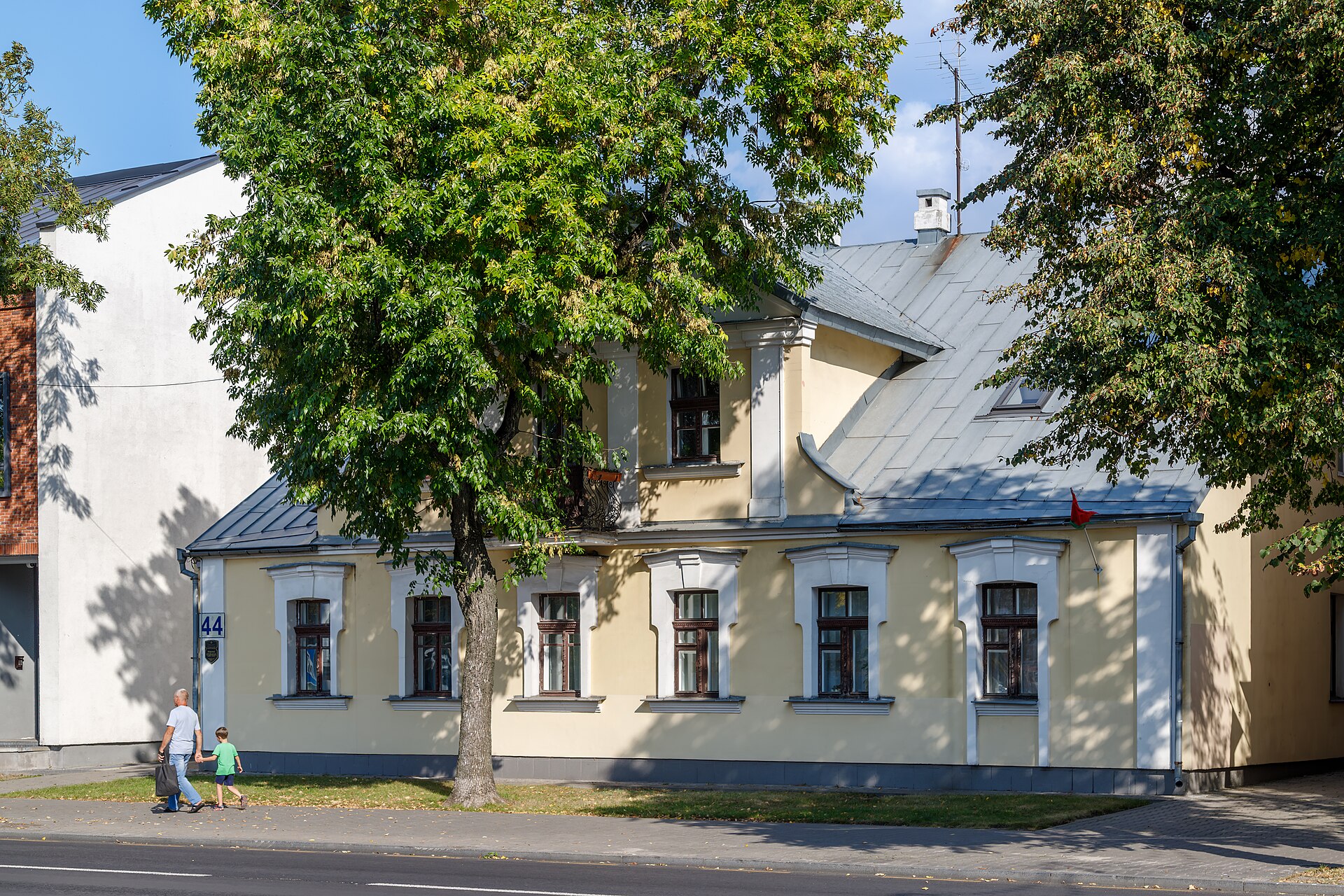
The Brest Academic Drama Theatre named after Lenin stands on Lenin Street, where history isn’t just remembered—it’s lived. The streets around it have seen merchants, soldiers, and ordinary people going about their days. The theatre isn’t just a building; it’s part of Brest’s fabric, where stories unfold both on stage and in the lives of those who enter.
The theatre was built in the mid-20th century, when the city was still recovering from war. Its architecture is simple but dignified—clean lines, tall windows, and details that don’t demand attention but earn it. The façade is modest, as if the building knows its purpose isn’t to impress but to last. Inside, wood paneling and soft lighting create an atmosphere that feels both intimate and timeless. The seats, worn but comfortable, let you settle in and leave the outside world behind.
The theatre carries Lenin’s name, a remnant of its Soviet past, but its identity is deeper. It’s a place for exploring what it means to be human—the forces that shape us, the choices we make, the quiet moments that change everything. The repertoire includes Chekhov and Ostrovsky alongside contemporary playwrights. When a Belarusian writer’s work is performed, the audience leans in closer. Hearing your own language, your own stories, makes it personal.
The actors here perform to connect, not for applause. Their craft is precise, their emotions measured, their focus on the truth of the moment. After a show, you don’t just leave—you carry something with you. A question you didn’t have before. A memory that lingers. The sense that for a couple of hours, you saw the world differently. That’s what this theatre does: it stays with you.
The theatre is also a gathering place. Post-show discussions, meet-the-actor events, and creative evenings turn it into more than a venue. People don’t just attend; they participate. The foyer buzzes with conversations—students debating a play’s themes, older patrons reminiscing, parents introducing their children to live theatre. It’s where generations mix, where storytelling bridges gaps.
The theatre’s reach goes beyond Brest. Its company has toured other cities, and its stage has hosted performers from Russia, Ukraine, and Poland. These exchanges aren’t just cultural events; they’re reminders that great stories don’t need borders. When the lights dim and the curtain rises, drama speaks to everyone. For the actors, it’s a chance to learn. For the audience, it’s a chance to see something new.
The building has been renovated, but its essence remains. The scent of wood and old books still lingers. The actors’ voices still fill the space. The world outside changes—fashions, trends, even the audience—but the theatre endures. It doesn’t need to be flashy to matter. Its strength is in its consistency, in being a steady presence in a city that has seen so much.
This isn’t a theatre that chases fame. It doesn’t need to be the biggest or the most extravagant. Its value is in being real. There’s no pretense here, no need for anything beyond the story on stage. The actors and directors work with sincerity, and that honesty is what makes it special. It’s a place where stories are told, where people come together, where life’s noise fades for a little while.
The Brest Drama Theatre is like the city itself: unassuming but resilient, rooted in history but always looking forward. It doesn’t shout for attention, yet those who find it understand its quiet significance. It’s not just a landmark; it’s a living part of Brest. Some things—like good stories, like human connection—never go out of style.