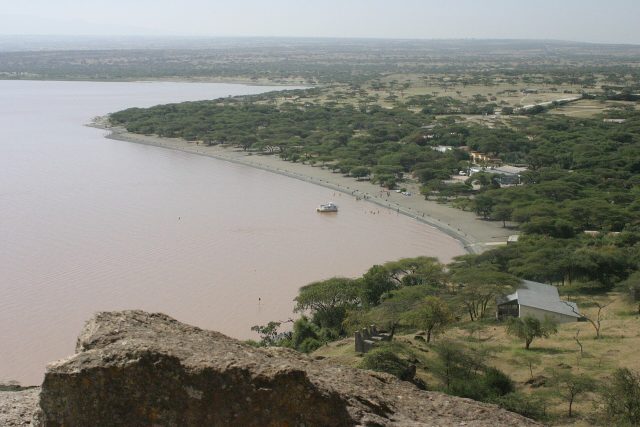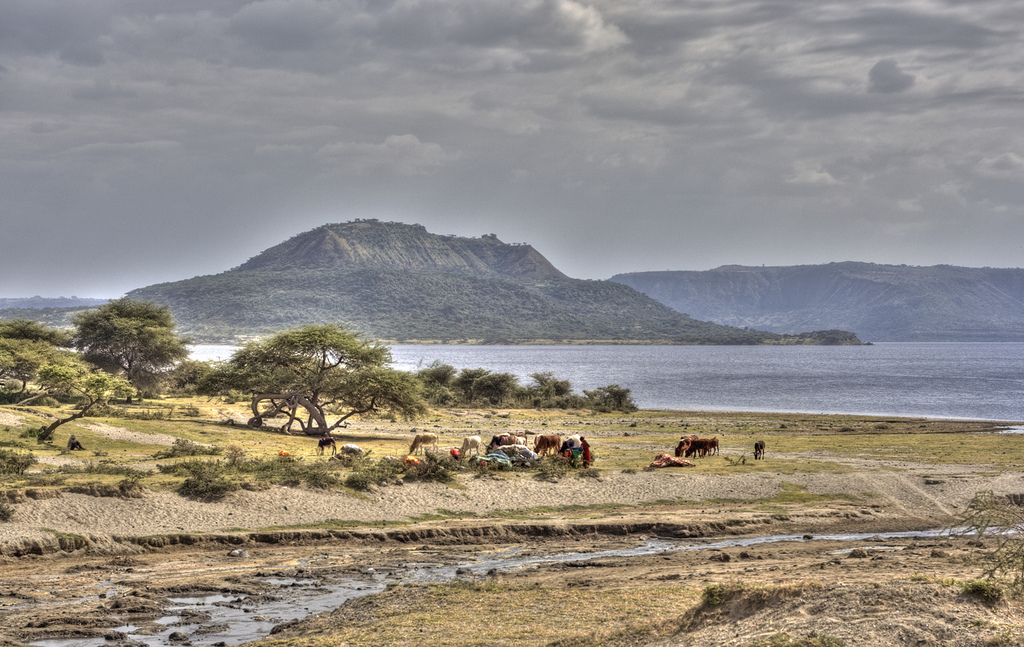
Weather overview
Arsi Negele sits on Ethiopia’s high plateau, where the weather stays mild year-round but shifts noticeably between dry and wet periods. From November to February, the air is crisp and clear, with daytime highs around +25 to +28 °C and nights cooling to +13 °C. These months bring the least rain, making them ideal for outdoor walks and exploring the surrounding landscapes.
Starting in March, the first rains arrive, and by April, the wet season is in full swing. Arsi Negele sees its heaviest downpours between May and October, with July and September often the wettest. Temperatures dip slightly during this time, hovering between +18 and +25 °C, but the humidity remains manageable. The countryside turns lush and green, though travel may require extra patience for occasional showers.
Temperature
Temperatures in Arsi Negele rarely stray into extremes, thanks to its elevation. The warmest months are February and March, when afternoons can reach +28 °C, while nights stay cool at +14 to +15 °C. Even during the wet season, daytime highs rarely drop below +23 °C, though the air feels fresher after rain.
The coolest period falls between July and September, when daytime temperatures average +23 to +24 °C and nights can dip to +15 °C. December and January bring similar daytime warmth but noticeably cooler evenings, sometimes dropping to +13 °C. These subtle shifts make layering useful, especially for early mornings or evenings.
| Month | Minimum | Maximum |
|---|---|---|
| January | 13.6 | 27.1 |
| February | 14.4 | 28 |
| March | 15.3 | 28 |
| April | 15.6 | 26.8 |
| May | 15.8 | 25.4 |
| June | 15.3 | 25 |
| July | 15.5 | 23.7 |
| August | 15.2 | 24.1 |
| September | 14.9 | 23.8 |
| October | 14.5 | 24.4 |
| November | 12.9 | 25.6 |
| December | 12.9 | 26.6 |
Precipitation
Arsi Negele has two distinct rainy seasons, separated by shorter dry spells. The first, lighter rains arrive in March and April, with April bringing around 118 mm of rainfall. The main wet season runs from May to October, peaking in July (149 mm) and September (190 mm). These months see frequent, often brief, afternoon showers rather than all-day rain.
The driest months are December and January, with barely 5 to 10 mm of rain each. November and February are also very dry, offering reliable conditions for travel. If you prefer avoiding rain, plan your visit to Arsi Negele during these months, though even the wet season rarely disrupts plans for long.
| Month | Precipitation |
|---|---|
| January | 8.5 |
| February | 9.9 |
| March | 60.8 |
| April | 118.1 |
| May | 132.4 |
| June | 73.7 |
| July | 149.2 |
| August | 115.7 |
| September | 189.6 |
| October | 152.6 |
| November | 32 |
| December | 4.4 |
What to pack
For a trip to Arsi Negele between November and February, pack light layers for warm days and a jacket or sweater for cooler evenings. A light rain jacket is useful even in the dry season, as occasional showers can surprise you. Comfortable walking shoes are ideal for exploring the town and nearby trails.
During the wet season, from May to October, waterproof footwear and a compact umbrella become essential. Quick-dry clothing helps manage the humidity, while a light scarf or shawl offers extra warmth on breezy days. If you’re visiting in March or April, the transition months, a mix of dry- and wet-season items will cover most weather shifts.
No matter when you visit Arsi Negele, sun protection is a must. The high elevation means stronger UV rays, so a hat, sunglasses, and sunscreen should always be in your bag. A reusable water bottle will also come in handy, especially during warmer months like February and March.
| Month | Wind speed |
|---|---|
| January | 3.1 |
| February | 3 |
| March | 2.3 |
| April | 1.8 |
| May | 2.1 |
| June | 2.2 |
| July | 2.3 |
| August | 2 |
| September | 1.6 |
| October | 1.8 |
| November | 2.5 |
| December | 2.4 |