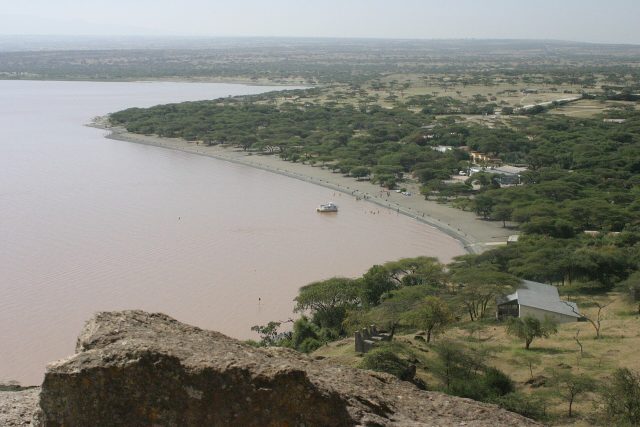
Abiyata-Shalla isn’t just a pair of lakes—it’s where nature seems to pause, revealing both its raw power and delicate balance. Tucked into the heart of Ethiopia’s Oromia region, this place is part of the Abiyata-Shalla National Park, one of the country’s most striking protected areas. There are no crowded viewpoints, no tourist traps, no neon signs—just open space, silence, and the quiet drama of two lakes that couldn’t be more different from each other.
Abiyata is shallow and saline, its waters often tinged pink, especially at sunset. The shores are lined with reeds, and flocks of flamingos gather here, wading through the shallows in search of food. Shalla, by contrast, is deep and dark, a volcanic lake ringed by jagged cliffs. Its mineral-rich waters appear almost viscous, and the air around it feels untouched, as if time itself has barely brushed against its edges. The two lakes exist side by side, yet each tells its own story.
This corner of Ethiopia lies within the Great Rift Valley, one of the planet’s most dramatic geological formations. Millions of years ago, tectonic shifts tore through the earth, creating a chain of lakes, volcanoes, and mountain ranges stretching from the Red Sea to Mozambique. Abiyata-Shalla is just a small piece of that vast puzzle, but it offers a rare glimpse into how nature shapes the land. Though volcanic activity has long since quieted, its legacy lingers in the hot springs bubbling up from the ground and the sulfur deposits that stain Shalla’s shores in shades of yellow and orange.
For the Oromo people who have lived here for generations, the lakes are more than just a water source—they’re sacred. Traditions run deep, with rituals once performed to summon rain or honor the spirits believed to dwell in the waters. Even now, you might see herders leading cattle to Abiyata’s edges or women gathering salt from the evaporating shallows. Life moves at the pace of the seasons, tied to the rhythms of migration, rainfall, and the shifting pastures.
Birdwatchers and nature lovers find themselves drawn to Abiyata-Shalla, where hundreds of species make their home. Flamingos, pelicans, and rare endemics like the Ethiopian teal or the Abyssinian bush-crow fill the skies and shores. The spring migration is particularly breathtaking, with the air thick with wings as flocks arrive in waves. On Abiyata’s shallow waters, flamingos form long, shifting lines, their reflections dancing on the surface. Shalla, meanwhile, attracts birds of prey—eagles, falcons, and vultures circling high above the cliffs, scanning for their next meal.
This isn’t a place for those seeking luxury or convenience. The journey from Addis Ababa takes hours, much of it along rough, winding roads that cut through dry plains and rolling hills. But the moment the lakes come into view, the effort feels worthwhile. The sight of Shalla’s dark, still waters framed by rocky outcrops is unforgettable, a quiet reminder of how vast and untamed the world can be.
There are no high-end lodges or restaurants here, and that’s part of the appeal. Travelers usually stay in simple campsites or guesthouses in nearby villages, where the accommodations are basic but the hospitality is warm. Evenings are spent around a fire, under a sky so clear it feels like you could reach out and touch the stars. Sometimes, locals share stories of the lakes’ spirits or demonstrate the traditional coffee ceremony, a slow, deliberate ritual that turns a simple drink into something almost sacred.
Abiyata-Shalla doesn’t try to impress. It doesn’t need to. There are no crowds, no distractions, no scripted experiences—just the land, the water, and the quiet. It’s a place for those willing to slow down, to notice the way the light changes over the lakes or how the wind carries the calls of birds across the water. For many, it’s a reminder that the world is far bigger and more surprising than it seems from the confines of a city. And sometimes, the most memorable places are the ones you have to work a little harder to reach.