The hot springs of Wonji lie tucked away in the highlands of Ethiopia, not far from the small town of Arsi Negele, where the rugged plateaus of the Great Rift Valley begin to soften into rolling valleys. This isn’t a place built for tourists—no polished resorts, no crowds, no carefully curated experiences. Instead, it’s a quiet corner of the country where locals have come for generations to soak in the warm, mineral-rich waters, drawn by tradition as much as by the promise of healing. The springs feel less like a destination and more like a natural part of life here, a place where the land and its people have long existed in easy rhythm.
The history of Wonji is woven into the fabric of the region, passed down through stories and rituals rather than written records. For centuries, the Oromo and Amhara communities have regarded these waters as sacred, believing they could cleanse the body and spirit alike. Some still leave small offerings—handfuls of grain, wildflowers—near the pools, a gesture that feels more like a quiet conversation with the land than a formal ceremony. The springs were never just about physical healing; they were a place for renewal, where people came to wash away not just dirt, but the weight of everyday struggles. Even now, you might see an elderly man sitting by the water at dawn, murmuring a prayer, or a group of women laughing as they soak their tired feet after a long walk.
The water itself is what draws most visitors. Rich in sulfur, calcium, and magnesium, it bubbles up from deep underground, filling a series of natural stone pools that have formed over centuries. The temperature varies from one basin to the next—some are just warm enough to take the edge off the mountain chill, while others are hot but never scalding. Locals often bring bundles of fresh herbs to steep in the water, a practice that may or may not have scientific backing but feels entirely natural here, where the line between folk remedy and simple tradition blurs. There’s no grand spa, no attendants in crisp uniforms—just the water, the rocks, and the quiet hum of the earth beneath.
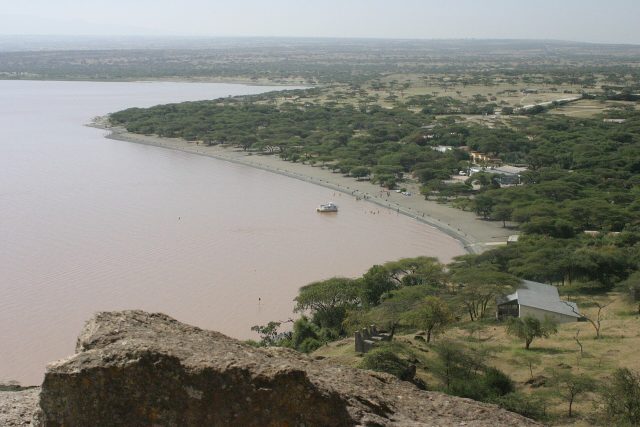
The springs are set on a gentle rise, surrounded by dry, golden hills dotted with acacia trees and the occasional cluster of thorny shrubs. The landscape is stark but beautiful in its own way, the kind of place where the wind carries the scent of dust and distant rain. There’s little in the way of infrastructure—a few rough shelters for changing, a small stall selling sweet tea and roasted maize—but that’s part of the appeal. This isn’t a place for those who expect comfort or convenience. It’s for travelers who want to step into a slower, simpler way of life, where the day isn’t measured in sights seen but in moments felt.
What makes Wonji special isn’t just the water, but the way life unfolds around it. In the early morning, you might see herders leading their cattle to drink from the streams that trickle down from the springs, their voices low and unhurried. Women gather at the water’s edge to wash clothes, their hands moving in practiced motions as they scrub fabric against the smooth stones. Children dart between the pools, splashing and shrieking with laughter, while older men sit on the rocks, watching the sun rise over the valley. There’s no separation between the natural and the human here—just a quiet coexistence, as if the land itself has made space for those who come to it.
The best time to visit is when the light is soft, either in the cool of dawn or as the sun dips below the horizon. The air is thick with the smell of damp earth and sulfur, and the only sounds are the rustle of grass, the distant call of a bird, or the occasional bleat of a goat. If you’re lucky, you might witness a small ritual—a family leaving a bundle of herbs by the water, a young mother dipping her baby’s feet into the warmest pool—or simply sit in silence, watching the steam rise from the surface as the day fades.
Getting here isn’t straightforward, and that’s part of the journey’s charm. From Addis Ababa, the road winds south through towns like Adama and Asella before turning onto a rough track that leads toward Arsi Negele. The drive can be dusty, the potholes deep, especially after rain, but the scenery makes up for it—endless stretches of savanna, villages of round thatched huts, and the occasional glimpse of distant mountains. As you near the springs, the air grows heavier, the scent of sulfur sharper, a reminder of the geothermal forces simmering beneath the surface.
For those who want to stay longer, there are a few basic guesthouses in the area, where the hospitality is warm and the food simple but flavorful. A meal might consist of injera smothered in berbere-spiced stew, or a cup of coffee brewed the traditional way—roasted, ground, and boiled in a clay pot. Staying overnight offers more than just rest; it’s a chance to slow down, to listen to the stories of the people who call this place home, or to sit by a fire under a sky so thick with stars it feels like you could reach out and touch them.
Wonji isn’t a place that announces itself. There are no grand monuments, no guided tours, no souvenir stands. It’s the kind of place that reveals itself slowly, to those willing to sit still and pay attention. The springs don’t offer excitement or luxury, but something rarer—a sense of peace, of being exactly where you’re meant to be. That’s why people return, not for the scenery or the novelty, but for the quiet understanding that some places, like some moments, are meant to be savored rather than hurried through.