- Home
- Mesopotamia
- Abu Ghraib

Abu Ghraib
Mesopotamia · 6 places
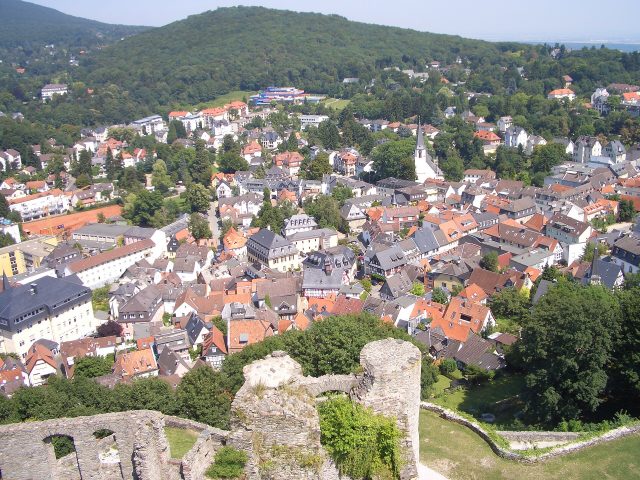
Photo: USDOJ Office of the Inspector General, Public domain
Abu Ghraib
Abu Ghraib rarely appears in travel guides, yet it holds Iraq’s layered history. Twenty kilometers west of Baghdad, it sits between the capital’s energy and Anbar’s open deserts. No tourist trails pass through here—just daily life, unfiltered. The streets move at their own pace, marked by passing cars or vendors’ calls at the market. Mostly Sunni, locals farm the land and trade goods, their days shaped by seasons, not outsiders’ demands.
The city’s past is part of the region’s story. Centuries ago, caravans linked Baghdad to Syria and the Levant. Later, Abu Ghraib became known for its prison, built in the mid-20th century. Though now closed, its presence remains—not as the city’s defining feature, but as a reminder of how ordinary places carry weight. For those who live here, the prison is one thread among many.
Life in Abu Ghraib follows the seasons. Summers reach over forty degrees, and the city pauses in the midday heat, reviving only as the sun sets. Winters bring crisp mornings, rain, and fertile land yielding dates, wheat, and vegetables. Markets overflow with fresh produce. The scent of spices and warm bread mixes with strong, sweet coffee locals drink from small cups.
This isn’t a place that seeks attention. No luxury hotels or grand museums exist here—just the reality of a city living on its own terms. If you visit, you’ll notice the unhurried conversations over tea, the easy hospitality, the quiet evenings under a star-filled sky. Abu Ghraib doesn’t offer attractions. It offers an atmosphere—one that stays with you.
It’s for those who want to be somewhere real.
See & Do
6 places
Places on the map
Marker colour follows the categoryClimate and weather
Detailed weather: Abu Ghraib- Average temperature
- 25 °C
- Precipitation per year
- 142 mm
Average air temperature
°C
11
13
18
25
30
35
38
37
33
26
19
13
Jan
Feb
Mar
Apr
May
Jun
Jul
Aug
Sep
Oct
Nov
Dec