Vladivostok: Route Through the City, Hills, and Sea

Photo: Qweasdqwe, CC BY-SA 3.0
You stand at a corner where the asphalt ends. The wind blows from the sea, bringing salt and cold. There is no warm sand underfoot, only concrete embankments and steep slopes. This is not a resort town where people come to lie on the beach. This is a port where ships dock and cargo moves. You came here to see the edge of the continent, understand why people live on these hills, and how the city holds onto the water.
The first sensation is inclination. The land here does not lie flat. Streets rise upward, houses stand on steps. If you arrived by train, exit to the station square. Movement to the center begins here. Cars drive slowly. Pedestrians occupy the sidewalks. Buildings of different eras stand side by side. Some are restored, others wait. You walk up Svetlanskaya Street. This is the main artery. City life is concentrated here during the day.
Bridges and Crossings
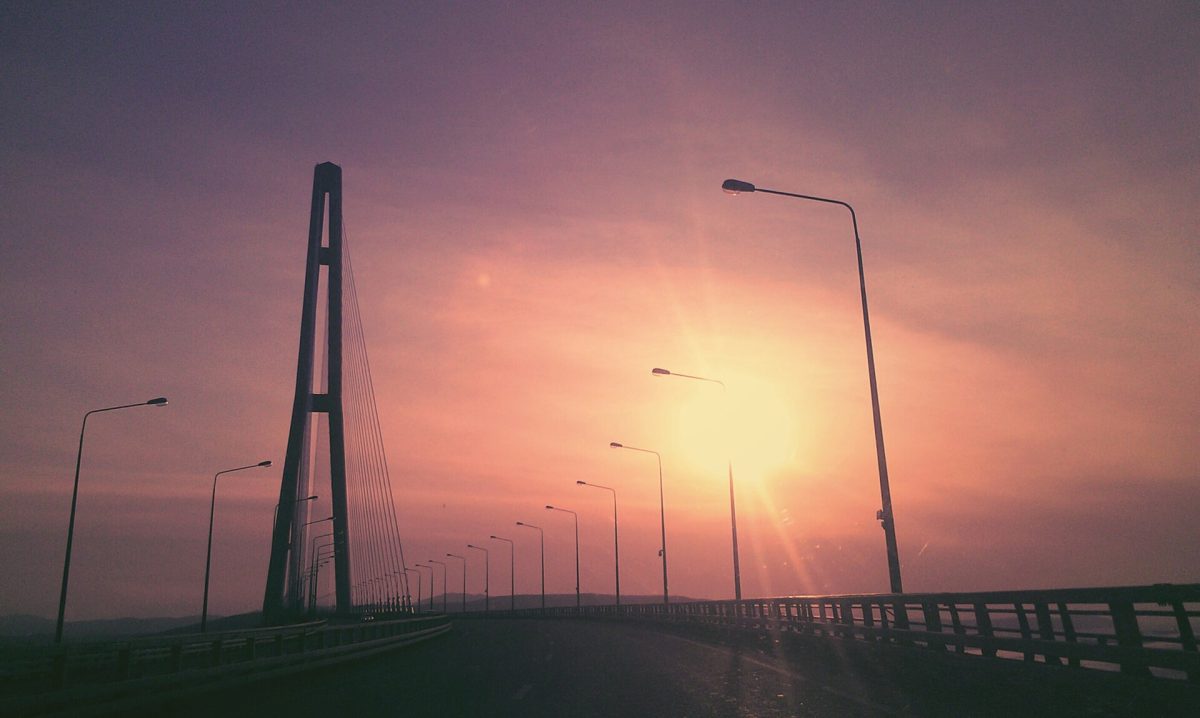
Two structures define the horizon line. One crosses the Golden Horn Bay, connecting the center with the Churkin district. The other stretches to Russky Island. They are not just roads. These are viewpoints. You can drive across them by car or bus. Pedestrian traffic is limited. The view from the window changes as you ascend. The city unfolds below like a map. The water looks dark even in summer. Towers rise above the fog.
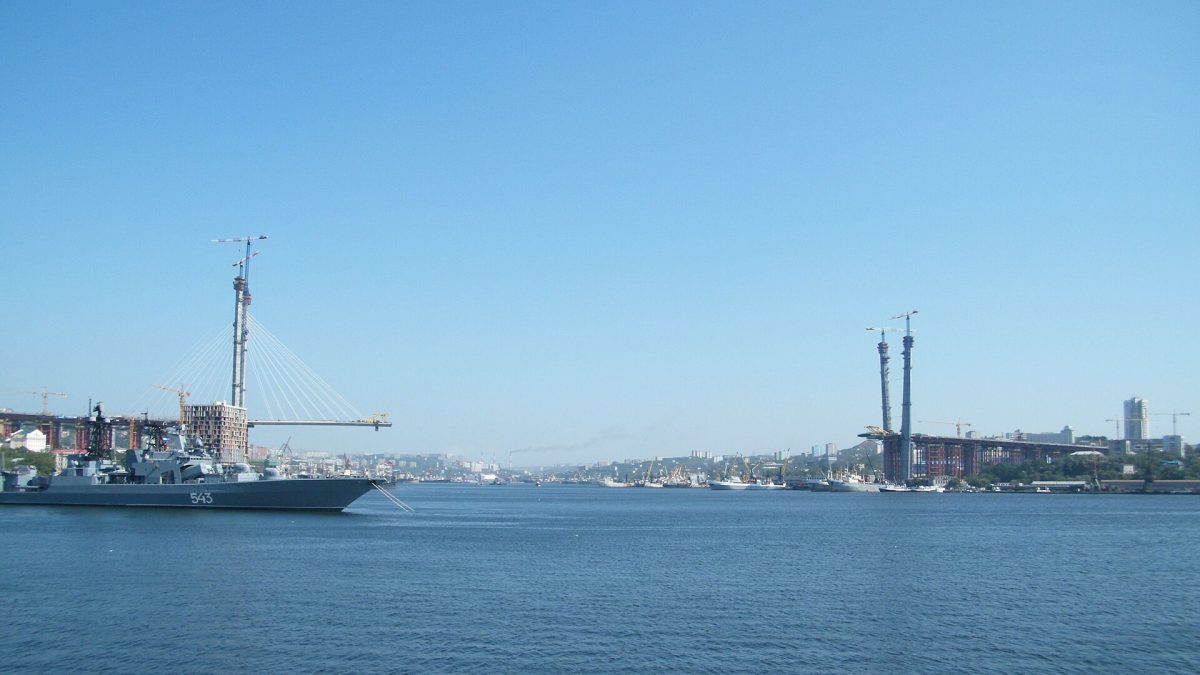
The bridge across the Golden Horn Bay is visible from many points in the center. If you want to take a photo, find a spot on the shore. Standing under the span gives a sense of scale that is lost from above. The concrete supports are massive. Cables hum in the wind. The structure works like a tuning fork for the city's sounds. Lighting turns on in the evening. Lights reflect in the water. Movement does not stop at night. Trucks drive constantly.
The bridge to Russky Island is longer. It leads to a zone with fewer residential buildings and more institutions. Passage across it is free. The road is smooth. In good weather, the opposite shore is visible. In bad weather — only a gray veil. Fog comes quickly. Sun comes out suddenly. Dress in layers. The wind on the bridge is stronger than in the city. Better have a jacket with you even in July.
Center and Square
A walk through the center logically starts from the station. Move along Svetlanskaya Street. Administrative buildings and shops are located here. Architecture is mixed. There are pre-revolutionary facades. There are Soviet buildings. There are modern inserts. The flow of people sets the rhythm of life. In the morning, they rush to work. During the day, tourists walk. In the evening, they gather at cafes.
You exit onto the Central Square of Vladivostok. Events often take place here. The space is open. The wind walks freely. Hills are visible from the square. They close the perspective. Further the path lies to the Square of Fighters for Soviet Power. This is a park zone with monuments. Trees provide shade. Benches allow you to rest. It is quieter here than on Svetlanskaya. People walk slowly.
Nearby stands the M. Gorky Drama Theater. The building has its own history. Actors perform classics and modern plays. If you have time, check the repertoire. Posters hang at the entrance. Tickets are purchased at the box office. The interior inside is strict. The hall is spacious. Light dims gradually. This is a place for the evening when you are tired from walking.
Not far away is the St. Nicholas Cathedral. It is visible from many points. Golden domes glow against the gray sky. It is quiet inside. People light candles. Architecture follows traditional canons. Walls are painted. Icons in oklads. Entry is free. Silence must be observed. Clothing must be appropriate. This is an active temple, not a museum.
Hills and Views
Vladivostok is built on slopes. Ascents cannot be avoided. The viewing platform on Orlinoye Gnezdo hill is one of the highest points. To get there, you need transport or a long climb up stairs. The path is paved, but steep. There are benches for rest. The wind is stronger here. The view opens panoramically.
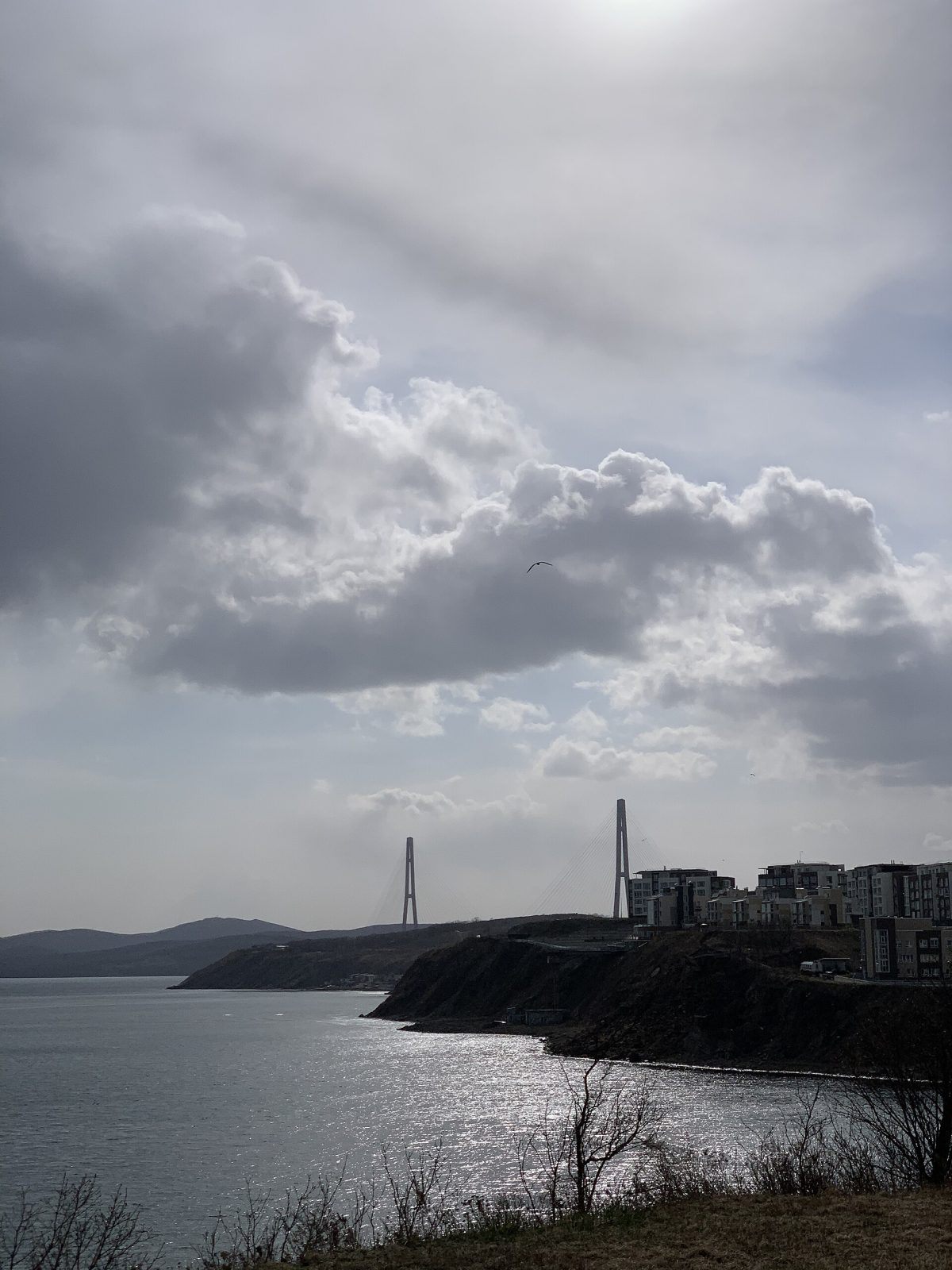
You see the bay, bridges, port cranes. From here the city looks like a set of districts separated by water and ridges. This helps understand the layout. You can see where the center ends and residential areas begin. Ships in the port seem small. Cars on the bridge — like toys. Fog can hide the lower part of the city. Hilltops remain visible. Better to photograph in clear weather. In the morning light is softer. In the evening the city lights up.
The climb requires strength. Shoes must be comfortable. Sneakers suit better than shoes. Asphalt is broken in places. Steps are high. If there are problems with knees, better to use a taxi. Drivers know the road. The car will lift you almost to the platform itself. The stop is nearby. From it walk a few minutes up.
Fortress and Sea
The city's history is military. Vladivostok Fortress consists of many batteries scattered around. Some are open to visitors. Minny Gorodok Park is one such zone. It combines nature and history. Trails go through the forest. You find concrete structures hidden by trees. Fortifications were built to protect the bay from sea attacks.
Now they are silent. Moss grows on walls. This is a place for walks, not for noisy parties. Silence is disturbed only by birds and wind. Concrete blocks are massive. Openings are dark. Walking inside is dangerous. Overlaps may be unstable. Inspection is better conducted from outside. Trails are marked. Maps hang at entrances. The route is circular. You return to the start.
Further on Russky Island lies the Primorsky Oceanarium. This is a large complex. There are pools with marine animals. Exhibitions show the life of the Pacific Ocean. Tunnels pass water over head. Fish swim nearby. Light is dimmed. Filter noise is constant. Children watch with eyes wide open.
Visiting the oceanarium makes sense if you are traveling with children. They spend hours at the showcases. For an adult alone it may be too crowded on weekends. If you seek quiet contemplation of the sea, go to the shore. The aquarium impresses technologically, but the real shore offers a different experience. The water here is real. Air is not filtered. The smell of algae is natural.
If traveling with children — skip this point in favor of the park if the child is tired of enclosed spaces. The oceanarium requires time and attention.
Logistics and Tips
Public transport works, but may be overcrowded. Buses run across hills. Stops are frequent. Payment by cash or card. Taxi is available. Apps work. Cars arrive quickly. Prices depend on demand. More expensive in rain. Cheaper in sun.
Weather changes quickly. Fog can roll in within minutes. Sun comes out suddenly. Dress in layers.
Shoes must be comfortable. You will walk on cobblestones and asphalt.
Seafood is common in restaurants. Look for places where locals eat. Menu changes by season. Fish is fresh. Caviar is served portioned.
Do not try to penetrate closed battery objects marked by fences. Some tourists climb over barriers for photos. This is dangerous. Structures are old. Concrete may crumble. Inside there are open shafts. Respect signs. The view from outside is sufficient. Risk is not justified.
What to Bring
- Windbreaker. Wind from the sea is cold even in summer.
- Comfortable shoes. Slopes require grip.
- Water. There are shops, but fewer on hills.
- Power bank. Photos drain the phone.
- Cash. Terminals do not work everywhere.
How to Move
- From station on foot to Svetlanskaya.
- By bus to Orlinoye Gnezdo.
- By taxi to Russky Island.
- On foot through Minny Gorodok park.
- By car back through the bridges.
The city does not sleep. Ships move at night. Lights reflect on the water. Sirens sound in the port. You leave with the sound of wind in your ears. In the morning fog again. In the evening lights again. The route can be done in a day. Can be stretched to three. Depends on pace. Fast walking tires. Slow allows looking.
Food in the center is diverse. Coffee is served in paper cups. Tea is hot. Soups are rich. Bread is fresh. Vegetables are local in summer. Imported in winter. Meat is on the menu. Fish more often. Prices are not fixed. Depend on location. Cheaper at the port. More expensive in the center.
Souvenirs are sold in shops. Standard magnets. Clothing with inscriptions. Paper maps. Books about history. Old photographs. Choice is large. Better to buy at the end. Heavy to carry. Leave bags at the hotel. Backpack is more convenient. Hands free for photos.
Connection works well. Internet is fast. Roaming not needed.
Maps load. Navigator leads correctly. Errors happen on hills. Satellite is lost. Orient by views.
Sea is always below. Center is always by the water. Hills are always higher.
Safety is ordinary. Zip pockets. Do not put phones on the table.
In the evening shine a flashlight. Trails in the park are dark. Lanterns are rare. Concrete is slippery after rain.
Caution will not hurt. The city is harsh. Carelessness is inappropriate here.
Return to the station takes time. Traffic jams happen in the evening. Freer in the morning.
Trains depart on schedule. Lateness is undesirable. Tickets are checked. Luggage is weighed.
Seats are taken in advance. Cars are clean. Conductors are polite.


