Istanbul on a Weekend: What to Fit in Two Days

Photo: Pedro Szekely from Los Angeles, USA, CC BY-SA 2.0
Istanbul stands on two continents, and this is not a figure of speech, but a transport task. Everything important for a short trip lies on the European side, in two neighboring quarters — Sultanahmet and Karakoy. Trying to peek into the Asian part over the weekend means spending half a day on ferries for a walk that could have been done at home.
Two days lay out simply: old city and water.
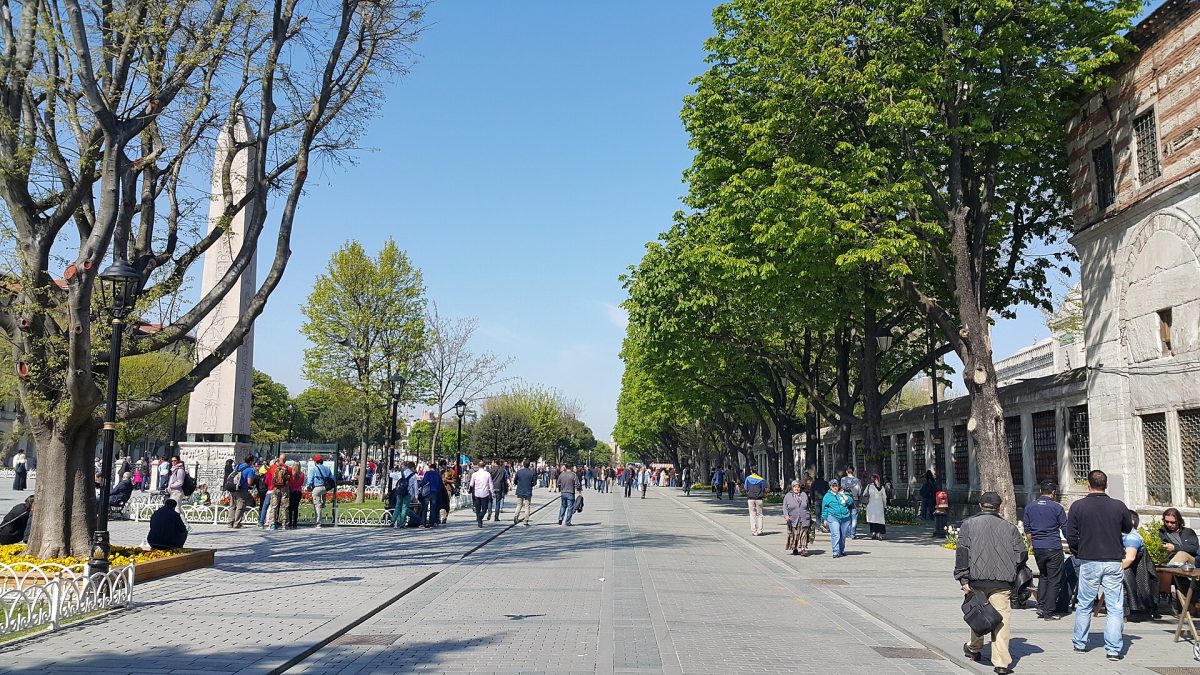
Day One: Sultanahmet
Everything starts at Sultanahmet Square — former Roman hippodrome, from which remained an Egyptian obelisk, a serpent column from Delphi and outlines of tribunes in the street layout.
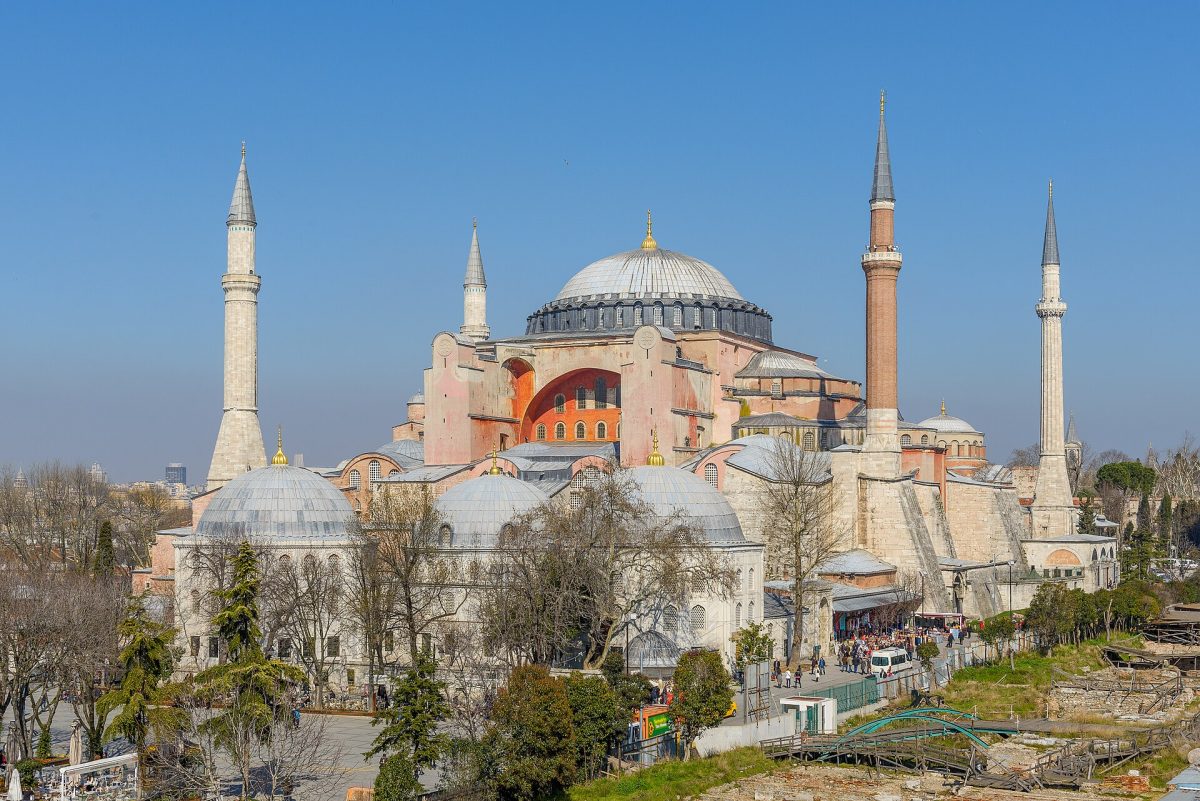
On one side of the square stands Hagia Sophia, built in 537 and remaining for almost a thousand years the largest temple of the Christian world. The dome with a diameter of thirty-one meters holds on pendentives — a technique that was applied here for the first time on such a scale. The building managed to be a cathedral, a mosque, a museum and again a mosque; Christian mosaics and Islamic calligraphy coexist on the same walls, and in this lies the main impression.
Opposite — Blue Mosque, completed in 1616. The name came from twenty-plus thousand Iznik tiles inside, although outside it is gray. Six minarets instead of the usual four once caused a scandal: there were as many at the main mosque of Mecca, and they had to hastily build a seventh there.
In a hundred meters — entrance to Basilica Cistern, underground reservoir of the sixth century: three hundred thirty-six columns in semi-darkness, water underfoot, and two columns standing on inverted heads of Medusa. No one knows why they were placed exactly like this.
Second half of the day — Topkapi, residence of sultans for four centuries in a row. This is not a palace in the European sense, but several courtyards with pavilions. Harem is paid separately, and it is worth paying extra: exactly there are the best tiles and it is clear how all this was arranged inside.
Day Two: Bazaars, Galata and the Bosphorus
Morning — Grand Bazaar: four thousand shops under the roof, sixty streets, gates from the fifteenth century. Getting lost there is normal, bargaining is mandatory, starting is customary at approximately half the named price.
From there down, to the water, — Egyptian Bazaar with spices, sweets and dried fruits. It is smaller and clearer than the Grand Bazaar, and prices on the streets around are noticeably lower than inside.
Nearby stands Suleymaniye Mosque — work of architect Sinan, completed in 1557. Many consider it the best in the city: it is simpler than the Blue Mosque, but from the terrace opens a view of the Golden Horn, and inside it is quieter, because not everyone reaches there.
Across the Galata Bridge — Galata Tower, put up by the Genoese in 1348. An elevator goes up, and the queue to it at sunset hours stands long.
Ending the day needs to be on the water. Bosphorus from a scheduled ferry — the cheapest and strongest impression of the trip: palaces, fortresses and wooden mansions along the banks are turned facades to the strait and from land are almost invisible.
If a Third Day Remains
Then it makes sense to choose one: Dolmabahce with a chandelier for four and a half tons and stopped clocks in the room where Ataturk died, or Princes' Islands — an hour on a ferry, wooden villas, absence of cars and a completely different tempo.
How to Understand What's Nearby
Sultanahmet is deceptively dense: it seems you will manage everything, but a queue in one place eats half a day. On the page of each place a day around it is proposed — what is nearby, in what order and how much to walk. Open Hagia Sophia, and it will become visible what really fits into one visit.
Practical Information
Transport card pays off immediately: by it go tram, metro, buses and ferries, and paying with cash in them is not possible. Tram T1 passes through the whole old city and connects almost everything from the list above.
In mosques they let in for free, but not during prayer, and it goes five times a day. Shoes are removed, women need a headscarf — they are issued at the entrance. Clothing closed, shoulders and knees covered.
Everything else that is open in the city is collected on the Istanbul page.


