Pyatigorsk in One Day: Route Through Lermontov Places and Mashuk

Photo: Kemal KOZBAEV, CC BY-SA 4.0
The train arrives at the station early in the morning, and the return ticket is already in the pocket for the evening. Time is tight, but the desire to see the city where the poet's life ended does not give peace.
You stand on the platform with a backpack on your shoulders and look at your watch. The question is not what to see, but how to manage to visit key points and not fall from fatigue by evening. The route must be logical, without unnecessary rushing from end to end, taking into account the terrain and physical condition.
The first step is towards the "Tsvetnik" Park. This is not just a square for walks, but the historical center of resort life, from which the development of the city began. There are no random trees or flower beds here. The layout was created so that patients of water clinics could walk between procedures.
The air here differs from the air on the outskirts. A mixture of scents of flowers, heated earth, and mineral water is felt immediately. If you arrived in the warm season, the flowering will be bright, but even in winter the alleys look well-groomed. A walk through "Tsvetnik" takes about half an hour, if you do not linger at every monument.
However, it is worth lingering at the source, where you can collect water. The taste is specific, salty, but exactly such water was drunk here two centuries ago.
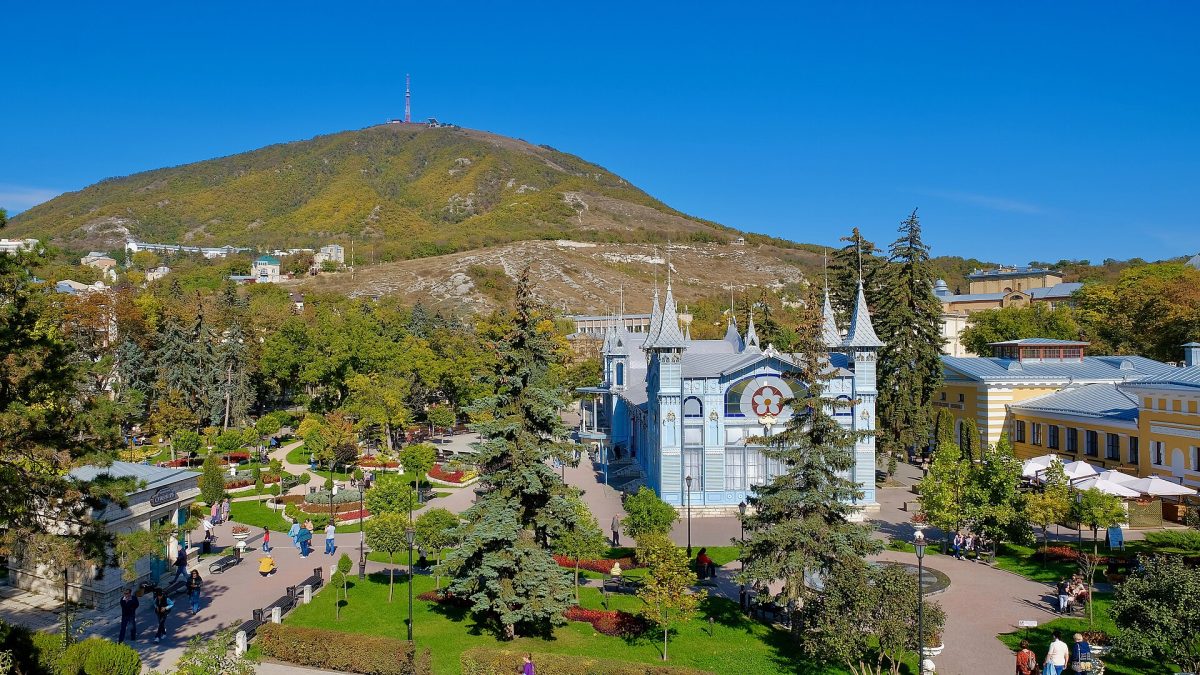
From the park it is a stone's throw to the Pyatigorsk Reserve-Museum of M. Yu. Lermontov. This building is known as the house where the poet rented a room during his last visit. Inside, the atmosphere of that era is recreated. Furniture, personal belongings, books — everything is arranged as it was during the owner's lifetime.
The exposition is not overloaded with details, but every item has a label and explanation. Guides tell about the last days of the poet, about the duel, about the reasons for exile. It is better to listen to these stories standing by the window, looking at the street where Lermontov walked.
The exposition conveys the atmosphere of the era. The duel site is also located here. It is located nearby, away from noisy streets. A monument is now installed there. The silence in this place contrasts with the noise of the city. Many come here to stand in silence. This is a memorial.
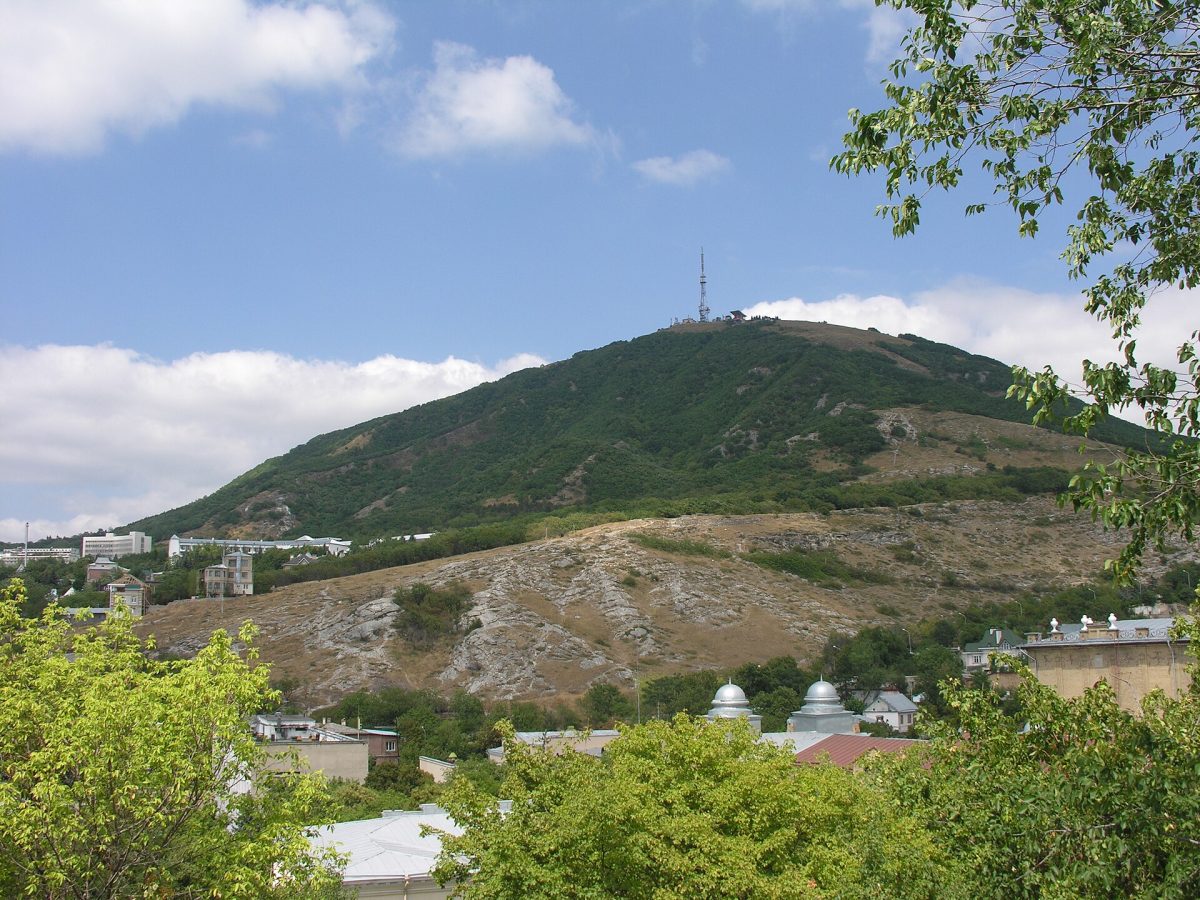
After the museum, the route leads upward. Mount Mashuk dominates over the city. It is visible from any point, but seeing and being on it are different things. The ascent can be made on foot or by cable car. The foot trail requires physical preparation. The ground crumbles in places, stones slip. Shoes must have a solid sole, gym sneakers will not do.
If you plan an ascent in the heat, take a supply of water. There are no shops at the top, only a few points with souvenirs and drinks, prices in which are higher than in the city. Shade on the route is rare, so a headgear is mandatory. The cable car saves strength, but deprives part of the impressions from overcoming the path. The choice depends on your goal: to see the view or to walk the path.
At the summit are located two galleries: Elizavetinskaya and Academic. The Elizavetinskaya Gallery is a lace structure made of metal. It was built in honor of the empress's visit to the city. The construction is light, columns are thin, the roof protects from sun and rain. A panorama of the city and opposite mountains opens from here. In clear weather, Elbrus is visible.
The Academic Gallery looks more monumental. Stone columns support a heavy roof. Inside are busts of scientists and doctors who studied Caucasian waters. This place is more often used for concerts and events. Sound spreads far. If you are lucky, you can catch an orchestra rehearsal or artists' performance.
The descent to Proval Lake requires attention. The trail leads down, knees experience stress. The lake is located in a cave at the foot of the mountain. The water has a turquoise shade due to sulfur and bacteria content. The smell of hydrogen sulfide is felt in advance.
The water temperature is constant year-round, it does not freeze in winter. The entrance to the cave is equipped with a ladder and lighting. The walls are covered with mineral flows. The size of the lake is small, but the depth is significant. Swimming is prohibited, water is used only for observation.
Nearby is a statue of Ostap Bender, installed in honor of the film. Tourists often take photos nearby, creating queues. If you do not want to wait, it is better to pass by immediately. Souvenirs at the entrance to Proval are often overpriced. Prices at the entrance are higher than in the city. Magnets and figurines of the same quality can be found in the city cheaper. Do not buy them in haste at the cash desk.
If traveling with children — skip this point: a long descent and climb back can be tiring for small tourists. It is better to limit yourself to the view from above or use the cable car both ways. For adults, however, the passage down gives a complete idea of the geology of the area.
Mashuk is a laccolith, a volcano that did not break out, but lifted the earth layers. The rock structure is visible on the cliffs. Layers of different colors testify to different periods of mountain formation. Geologists have something to study here.
After the mountain, it is logical to return to the center. Lenin Square serves as a transport hub and meeting place. Main streets converge here. A monument to the leader stands in the center, flower beds are laid out around. In the evening, lighting is turned on. The square is not intended for long rest, this is a transit zone. However, it is convenient to start a walk to other objects from here.
Nearby is the Cathedral of Saint Nicholas the Wonderworker. The temple is visible from afar due to golden domes. Architecture combines elements of classicism and Byzantine style. Inside there is a church shop, you can put candles. Silence inside contrasts with street noise. If you entered during service, you must observe behavior rules: turn off phone, do not walk through the center of the hall, women must cover their heads. This is an operating temple, not a museum object.
The evening part of the day should be devoted to culture. The Operetta Theater named after V. P. Chkalov is located in a building with columns. The facade looks solemn. The repertoire includes classical operettas and modern productions. Tickets are better bought in advance, especially in season. At the cash desk before the start of the performance, seats may be only in the gallery.
The hall is equipped according to modern standards, view is good from any row. If you do not plan to attend a performance, you can simply inspect the building outside. Evening lighting highlights architectural details. Locals often walk nearby. The atmosphere is calm, there is no fuss characteristic of daytime.
Mount Beshtau is mentioned often, but for one day it is not suitable. This is a separate trip, requiring a minimum of five to six hours only for the ascent. If you try to combine Mashuk and Beshtau in one day, you will see nothing but your own legs and the trail. Leave Beshtau for the next trip, when you have two to three days in reserve. Focus on what is available within the city limits. Quality of inspection is more important than the number of checkboxes in the list of places.
Food in the city is widely represented. From canteens to high cuisine restaurants. In the center, prices are higher than in residential areas. If the budget is limited, it is worth moving a couple of blocks away from tourist trails. Lunch is better planned between the ascent to the mountain and the evening program. After physical load, the body needs carbohydrates and proteins.
Water is sold everywhere, but it is better to have your own bottle. On the mountain, trade points work unstably, in the off-season they may be closed. Food can be taken with you, but trash must be taken with you. Containers are not on all trails.
Transport logistics are simple. Between main points you can move on foot. Distances are small, but terrain adds complexity. Taxi is available via apps, prices are fixed. Buses run on schedule, but in peak hours they are overcrowded. If you are tired, it is better to call a car than wait for transport at the stop. Saving strength is more important than saving money when you have one day. In the evening, transport runs less frequently, you need to watch the time of the last trip, if you do not plan a taxi.
Safety on the route depends on preparation. The sun in the mountains is more active than on the plain. Burns happen even in cloudy weather. Protection cream is necessary. Wind on the summit of Mashuk is strong, even in summer it can be cool. A windbreaker or fleece will not take much space in the backpack.
Trails are not fenced, approaching the edge of the cliff is dangerous. The ground may crumble under the weight of a person. Photos are not worth the risk. Phones catch network unstably on slopes, better download offline map in advance. Navigator will help not to get lost in forest plantings.
Souvenirs should be bought in specialized shops, not from spontaneous traders. Product quality in shops is controlled. Mineral water in plastic bottles loses properties faster than in glass. If you take water home, choose glass and check packaging integrity. Herbal teas and honey are popular among tourists. You can try, but ask composition. Allergy sufferers should be careful with local collections. Clothing with city symbolism is available everywhere, but fabric quality is different. Better try on a thing before purchase.
The route through the city is not linear, it depends on your interests. Someone will come to the museum twice, someone will spend all time on the mountain. This is normal. A plan is needed for orientation, not for strict following. If you are tired, sit on a bench in the park. Observing people and birds is also part of travel. Haste kills impression. Better to see less, but remember details. Sound of steps on gravel, smell of grass, shadow from a column in the sun — memory of a place is made of this.
There are many sanatoriums in Pyatigorsk. They occupy a significant part of the territory. Passage through them may be limited. Respect private territory of patients. Noise and loud conversations may interfere with the rest of people who came to heal. Routes are laid so as not to cross medical zones, but sometimes paths intersect. Be attentive to signs. If territory is closed, do not try to break through. There are bypass paths through city streets.
Winter visit has its own features. Trails on the mountain may be covered with ice. Crampons or shoes with spikes are needed. Galleries work, but time may be reduced. Water in sources does not freeze, steam over them looks effective. Clothing should be warm and layered. Wind pierces quickly. In summer, the main problem is heat and ticks. Inspection of clothing after walking on grass is mandatory. Repellents do not always work, better wear closed clothing of light tones.
History of the city is closely connected with medicine. Water heals the body. People here walk slower, speak quieter. This tempo is worth adopting for the time of the walk. No need to run from point to point. Pauses are important. Drink coffee, look at mountains. The city changes appearance at different times of day. In the morning it is sleepy, in the day noisy, in the evening festive. If there is an opportunity, walk through one place twice. The view will change.
Locals willingly answer questions. If you are lost, ask the way. Often they will suggest a short path not on the map. Resort city lives on tourists, so help is habitual. However, do not count on everyone speaking English. A few phrases in Russian will help in communication. Politeness opens many doors.
Photos are better taken in the morning or evening. In the day light is hard, shadows are deep. Landscapes look flat. At sunset colors become saturated. Mountains are painted in pink and violet. This time is called golden hour. If you are a photographer, plan shooting for this time. For ordinary tourists, the main thing is daylight to see the road.
Returning to the station, you will pass through the same streets, but they will look different. Fatigue will make itself felt, but satisfaction from the completed plan will cover discomfort.


