Paris in Three Days: A Route by Districts, Not by List

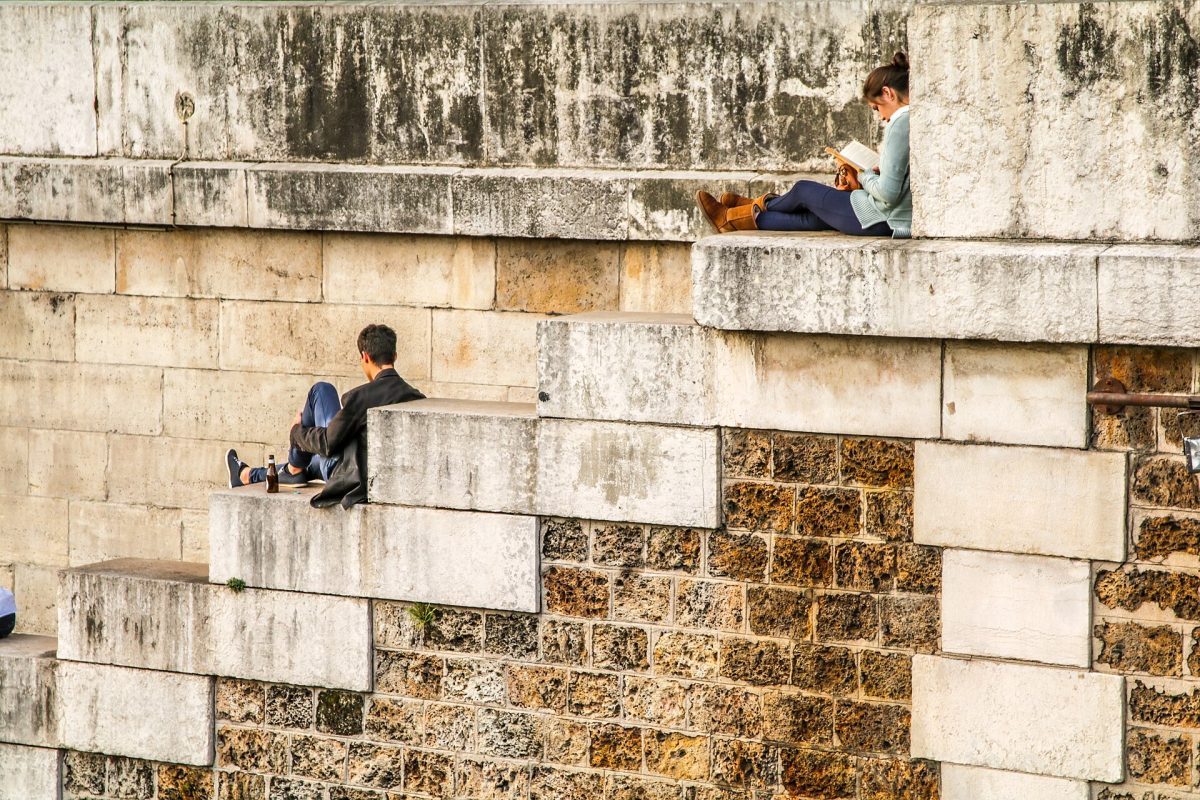
Photo: Tangopaso, Public domain
Paris is compact: the center fits within a circle six kilometers in diameter, and almost everything people come here for is inside it. The metro works so well that many spend half their trip in it — and in vain. Paris is a city for walking, and half the impression is lost underground.
It is wise to spread three days across districts, not by a list of attractions: this way you won't have to cross the city twice a day.
Day One: Île de la Cité, Louvre, and the Right Bank
It is worth starting with Île de la Cité — this is where the city began. Notre-Dame de Paris Cathedral reopened in December 2024, five years after the fire; entry inside is free, but by electronic reservation with a fixed time, and without it the queue runs along the entire facade.
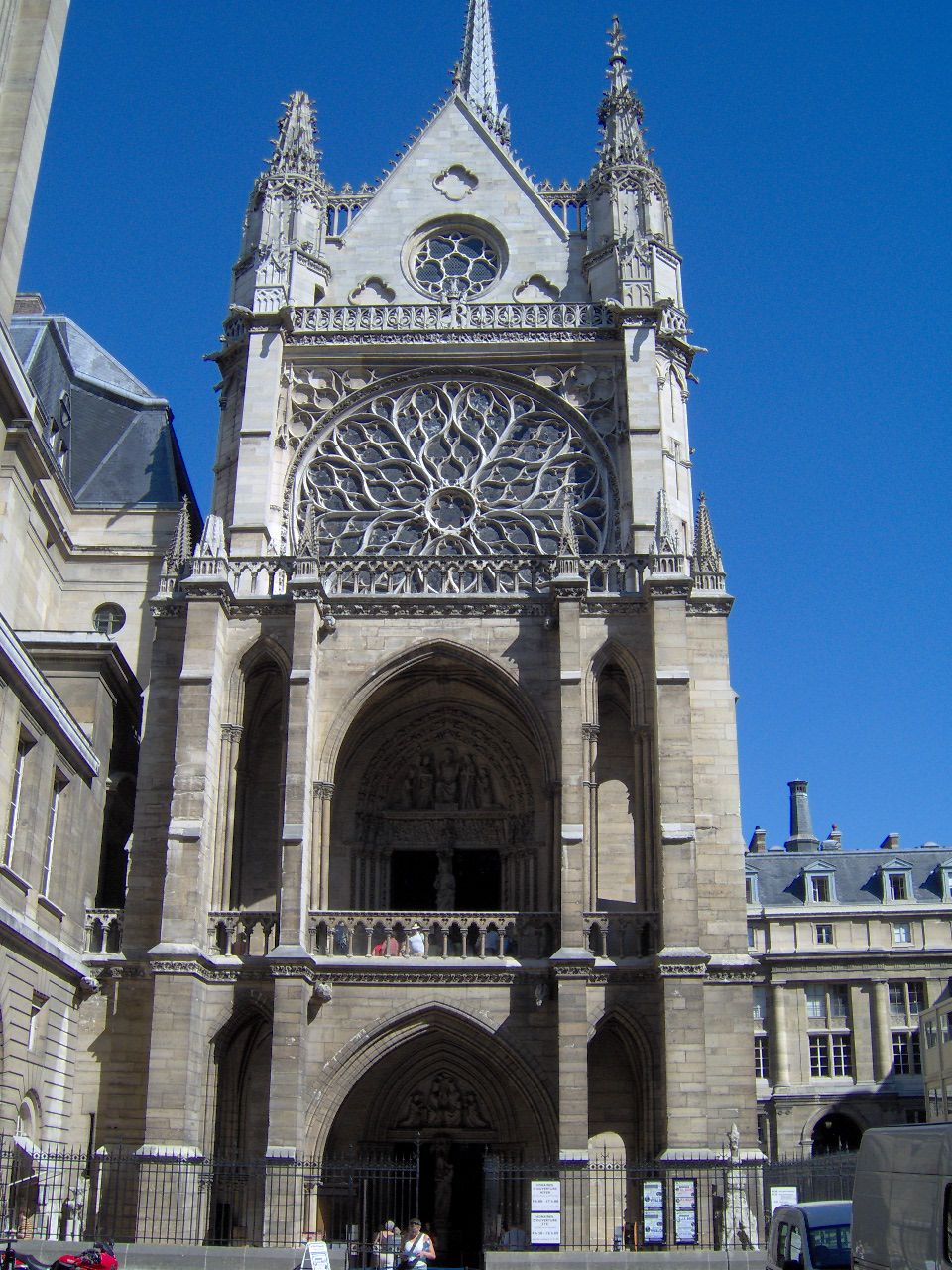
Two steps away stands Sainte-Chapelle — a royal chapel of the thirteenth century, where walls are replaced by stained glass: one thousand thirteen scenes on fifteen windows fifteen meters high. You need to go there on a sunny day and closer to noon, otherwise the whole meaning is lost.
Further across the bridge — the Louvre. You cannot walk around it: thirty-five thousand exhibits and eight departments. It is wise to choose two or three halls in advance and go straight to them. Entry through the pyramid is the longest, through the Carrousel Gallery and the metro station — faster.
Evening — Eiffel Tower. Climbing is not necessary: from Champ de Mars and Trocadéro Square it is visible better than from the tower itself, because there is no tower on the tower. Every hour after sunset, for the first five minutes, it shimmers — twenty thousand light bulbs installed for the year 2000.
Day Two: Orsay, Latin Quarter, Montmartre
Orsay Museum occupies a 1900 station, and half the pleasure is in the building itself: clock faces outward, glass vault, platform turned into a gallery. The collection of impressionists here is the largest in the world — Monet, Renoir, Degas, Van Gogh, Cezanne.
After it — the Left Bank. Luxembourg Garden with green chairs that are not bolted down and can be moved anywhere, and the Pantheon with Foucault's pendulum and a crypt where Voltaire, Hugo, Zola and Maria Sklodowska-Curie lie.
The second half of the day — Montmartre. Long stairs or a funicular on a regular metro ticket lead to the top. At the summit Sacré-Cœur: entry is free, the dome costs separately. It is worth stepping away two or three streets from Place du Tertre with portraitists — there begins the Montmartre people come here for: quiet alleys, a windmill, a vineyard.
Day Three: Versailles or Quiet Paris
Versailles is a whole day. The suburban train takes about forty minutes, then ten on foot. The Palace, Hall of Mirrors, park for eight hundred hectares and Trianons with Marie Antoinette's village. In summer on weekends, fountains with music are turned on in the park — this is a separate ticket.
If palaces are enough, the third day can be left for what usually doesn't fit: Père Lachaise with graves of Chopin, Wilde and Piaf, Rodin Museum with a garden where "The Thinker" and "The Gates of Hell" stand, catacombs with bones of six million people or Opera Garnier with Chagall's ceiling.
How to Understand What Fits into One Day
Every place in the catalog has a day suggested around it under the text: nearest points in order of visit, with distance and time. Opening Orsay, you will see what logically follows and whether it fits into the remainder of the day.
Travel time is calculated by real roads, not as the crow flies, and this changes the picture: the Seine divides the city so that points neighboring on the map are sometimes separated by the nearest bridge by a kilometer.
Practical Information
A one-day or multi-day pass pays off from the fourth trip. Tickets to large museums are bought in advance and for a time — without reservation the queue stands for an hour and a half even in winter.
On the first Sunday of the month part of the museums are free, and on these days you can't push through them. Monday and Tuesday are typical days off: Louvre is closed on Tuesdays, Orsay on Mondays, and coming for two days, hitting both, is quite real.
Everything else open in the city is collected on the Paris page.


